

So far, we have explored the basics of miso soup, from the food culture behind it to ingredient combinations.
This time, let’s look at small add-ins and flavor ideas that can give your everyday miso soup a little twist. Even without changing the main ingredients, a little seasoning or a few aromatic add-ins can make the soup feel fresh and different.

Flavor Add-Ins for the Pot
Some add-ins work best when they are mixed into the soup as it cooks. They blend into the dashi and miso, changing the flavor of the whole pot.
Soy Milk
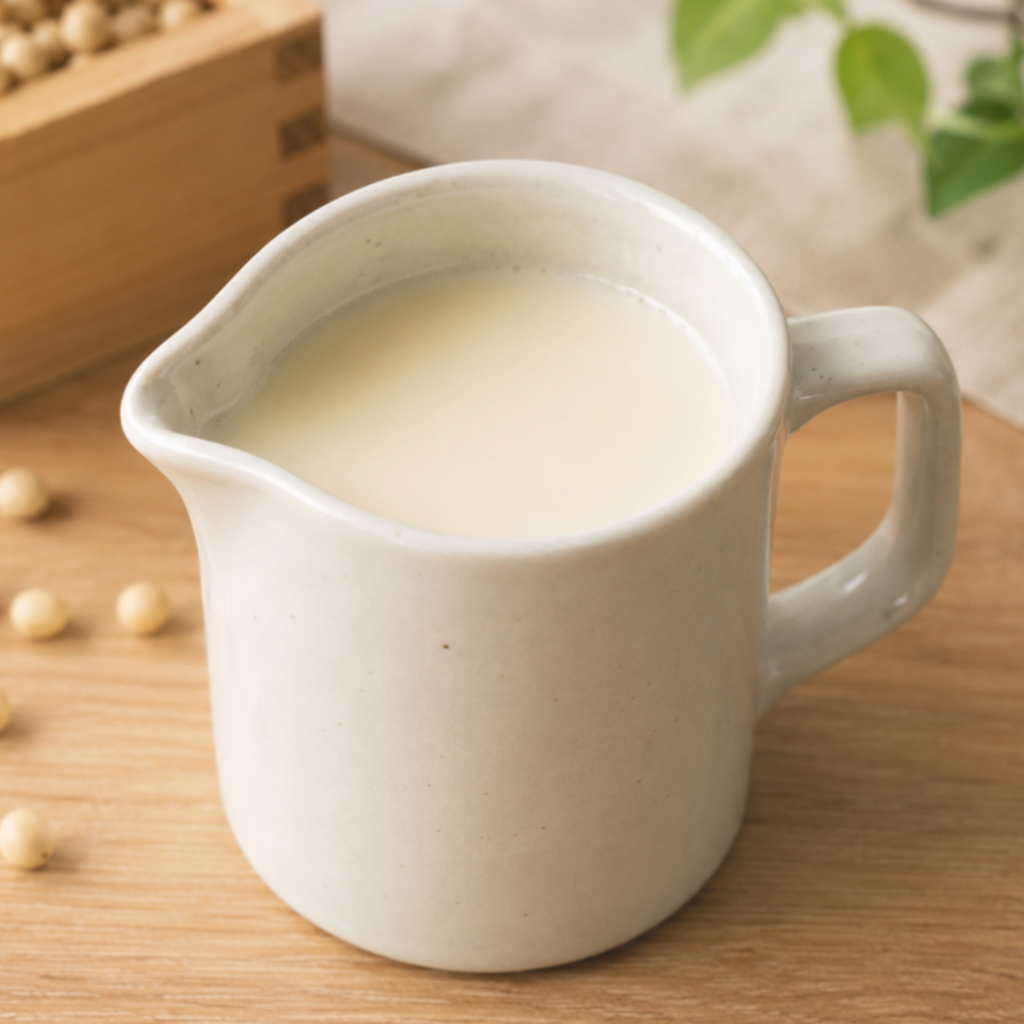
Soy milk blends well with dashi and miso, giving miso soup a creamy, mild flavor.
As a rough guide, replace about one-third of the dashi with soy milk. Soy milk can curdle if it is overheated, so add it toward the end of cooking and avoid bringing the soup to a full boil.
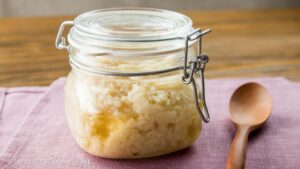
Sake Kasu (Sake Lees)
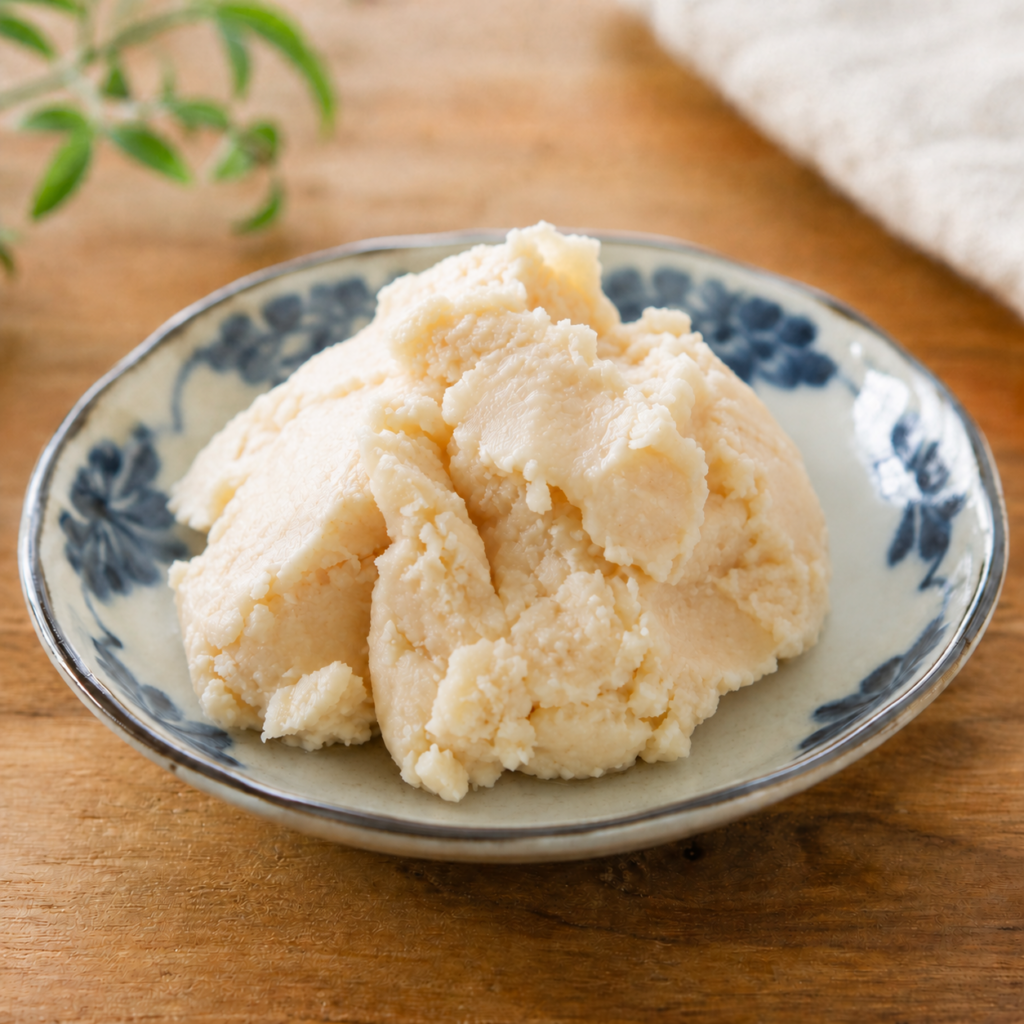
Sake kasu is the paste-like by-product left after sake is brewed. As a fermented ingredient, it has been gaining attention in recent years for its rich flavor, unique aroma, and its association with wellness and beauty.
It is often used in kasujiru, a hearty Japanese miso soup made with sake kasu. To use it, add a small amount of hot soup to the sake kasu and loosen it first, just as you would with miso, then add it back to the pot.
Sesame Paste
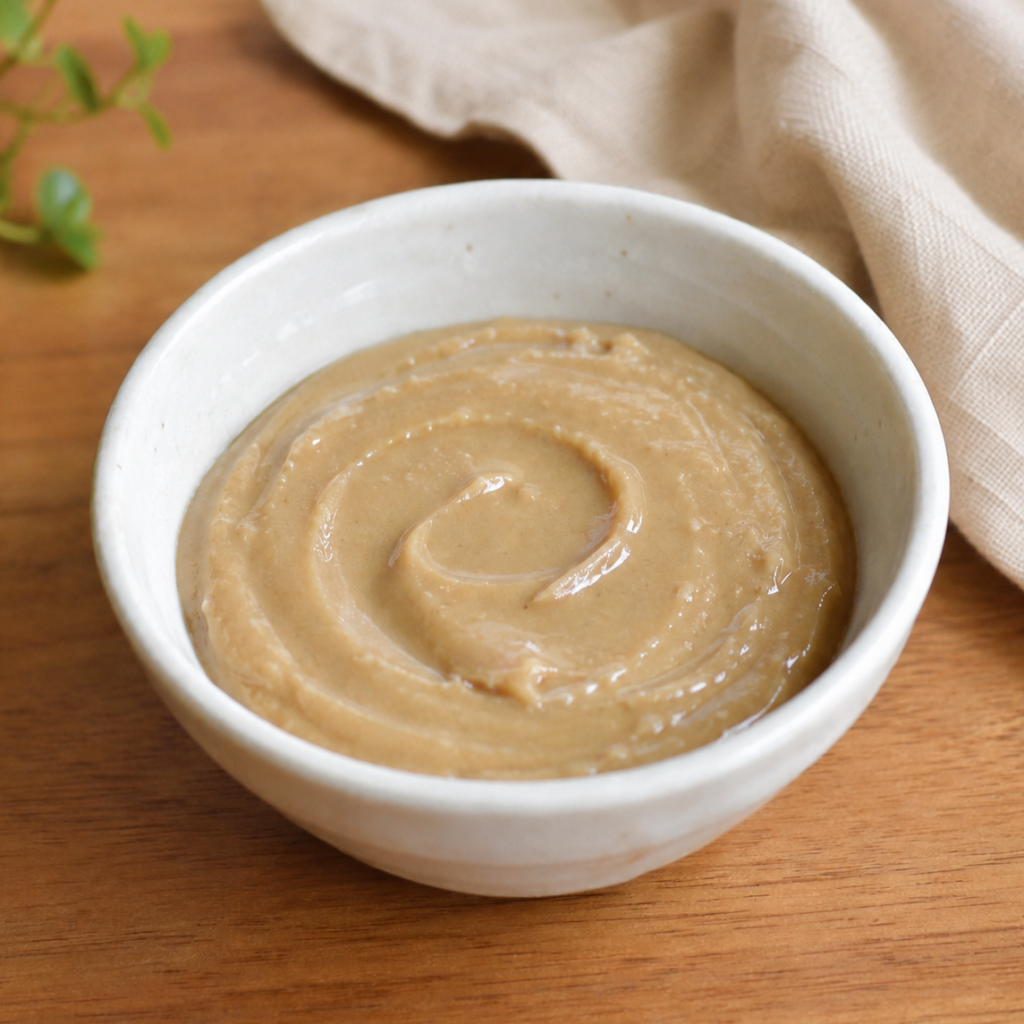
Japanese sesame paste is usually made from roasted sesame seeds, so it adds a deep, nutty aroma to miso soup. It also gives the soup a richer, more rounded flavor.
To use it, loosen the sesame paste with a small amount of hot soup first, then add it to the pot together with the miso.
Curry Powder
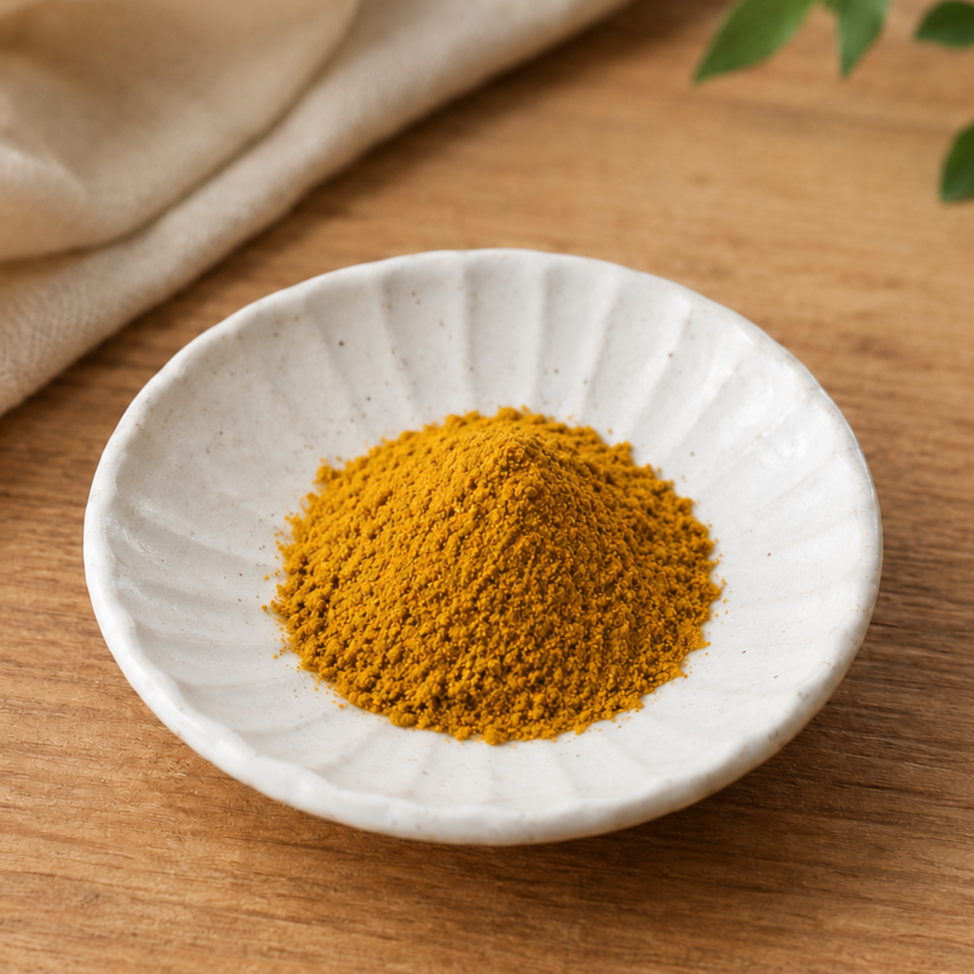
Curry powder adds a warm, spicy aroma that makes miso soup more appetizing.
For a deeper fragrance, sauté the curry powder briefly with a little oil before adding the dashi. If you want to keep it simple, you can also sprinkle a small amount into the pot toward the end of cooking.
Flavor Add-Ins for the Table
These add-ins can be added at the table as a simple way to customize your own bowl of miso soup with extra aroma, texture, or flavor.
Aosa Seaweed
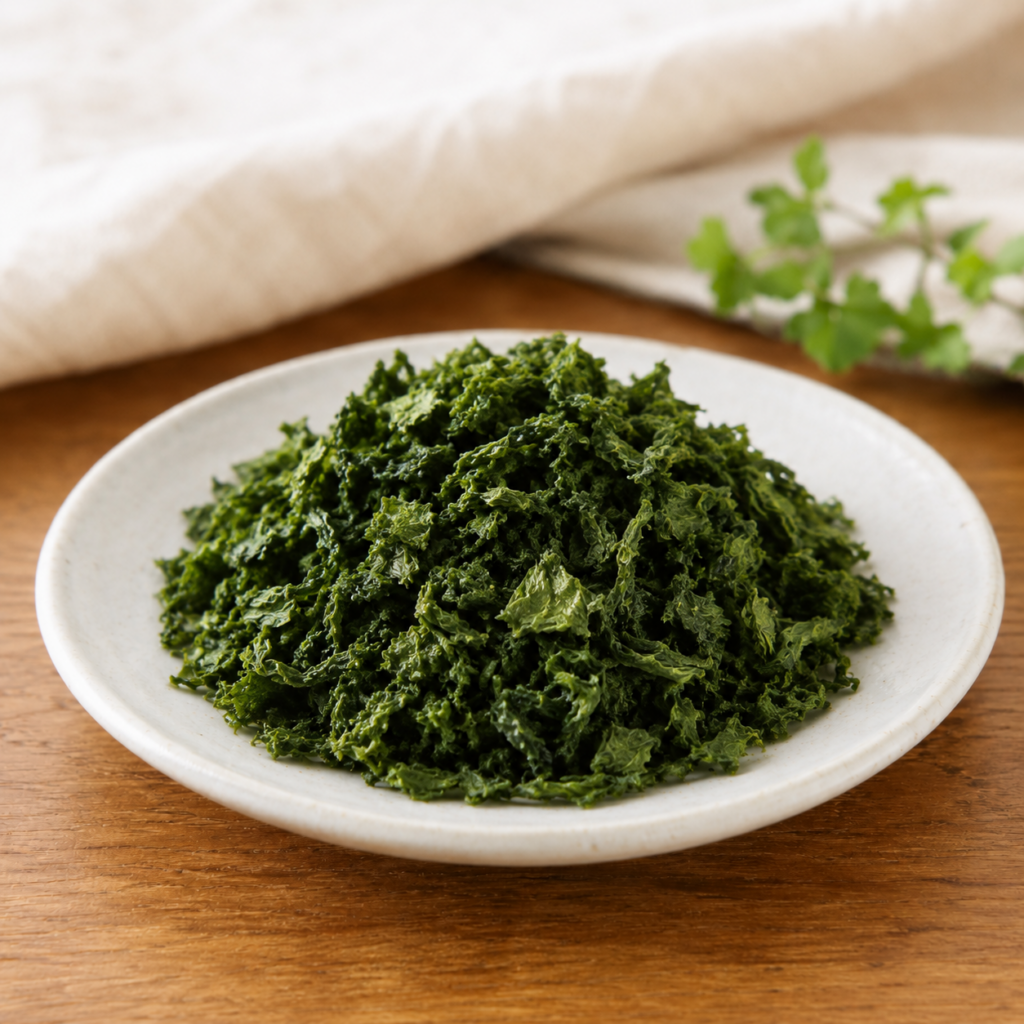
Aosa seaweed is a dried green seaweed with a soft texture and a fresh ocean aroma. It is very easy to use in miso soup because it rehydrates almost instantly.
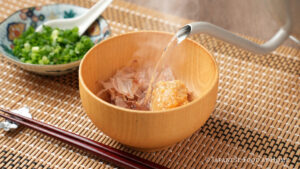
Add a small amount of aosa to your bowl, then ladle the hot miso soup on top. You can also sprinkle it over your soup just before eating. In just a few seconds, it softens and adds a pleasant seaside fragrance to the soup.
Tororo Kombu
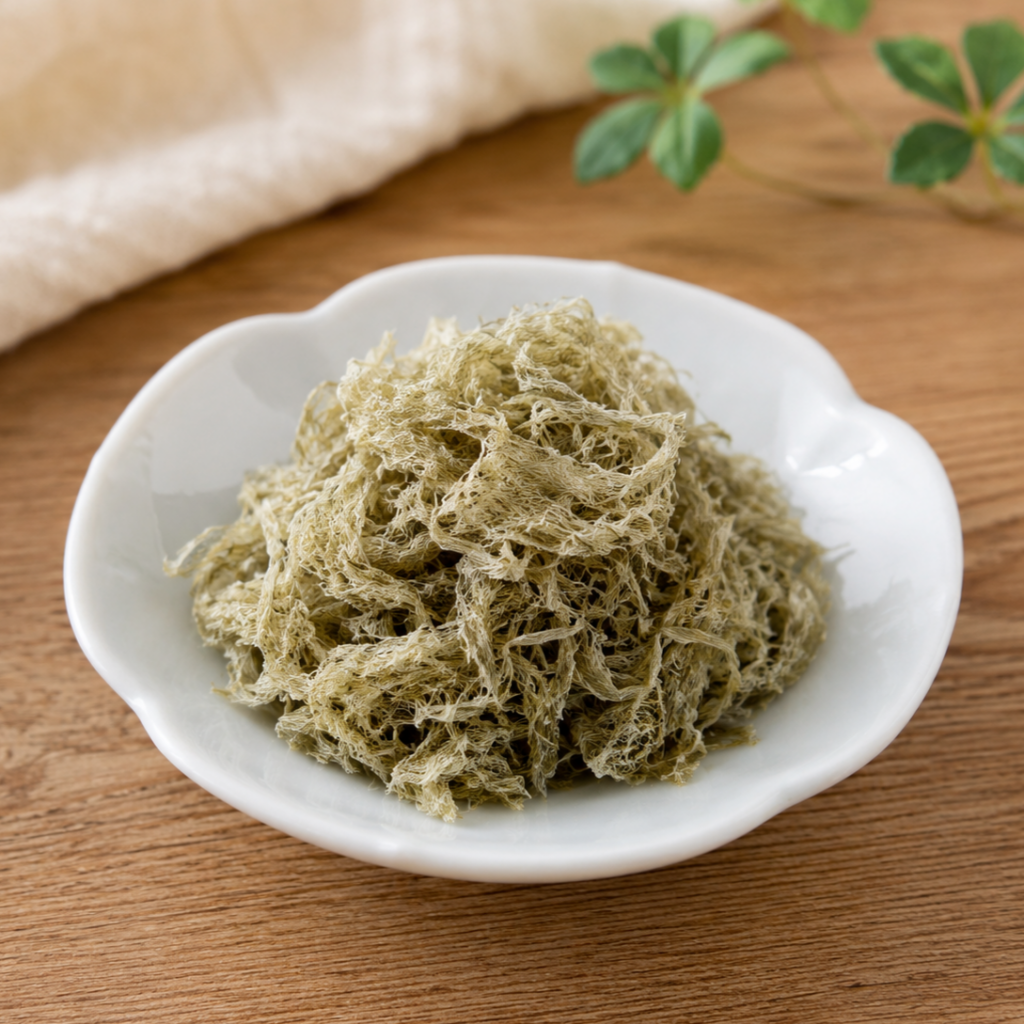
Tororo kombu is very thinly shaved dried kelp with a soft, delicate texture that softens easily with moisture.
Add a small amount to your bowl, then ladle the hot miso soup on top. You can also place it over your soup just before eating. It becomes silky and smooth, adding a gentle kelp flavor and a pleasant texture that slips easily down the throat.
Ground Sesame
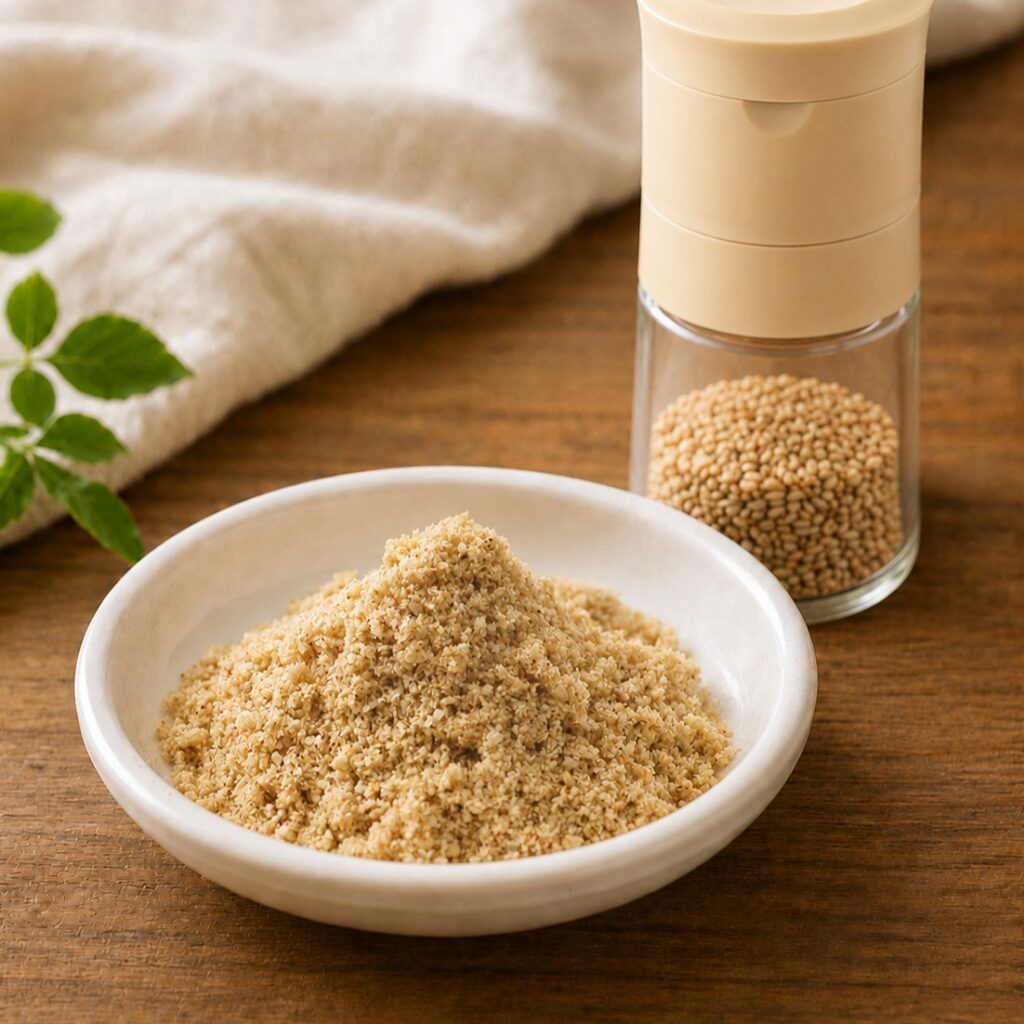
Ground sesame adds a warm, nutty aroma and a gentle richness to miso soup. You can sprinkle whole sesame seeds as they are, but grinding them brings out their aroma even more.
Store-bought ground sesame is convenient, but if you have a small sesame grinder, you can grind the seeds just before eating and enjoy their freshly released fragrance.
Shichimi Togarashi
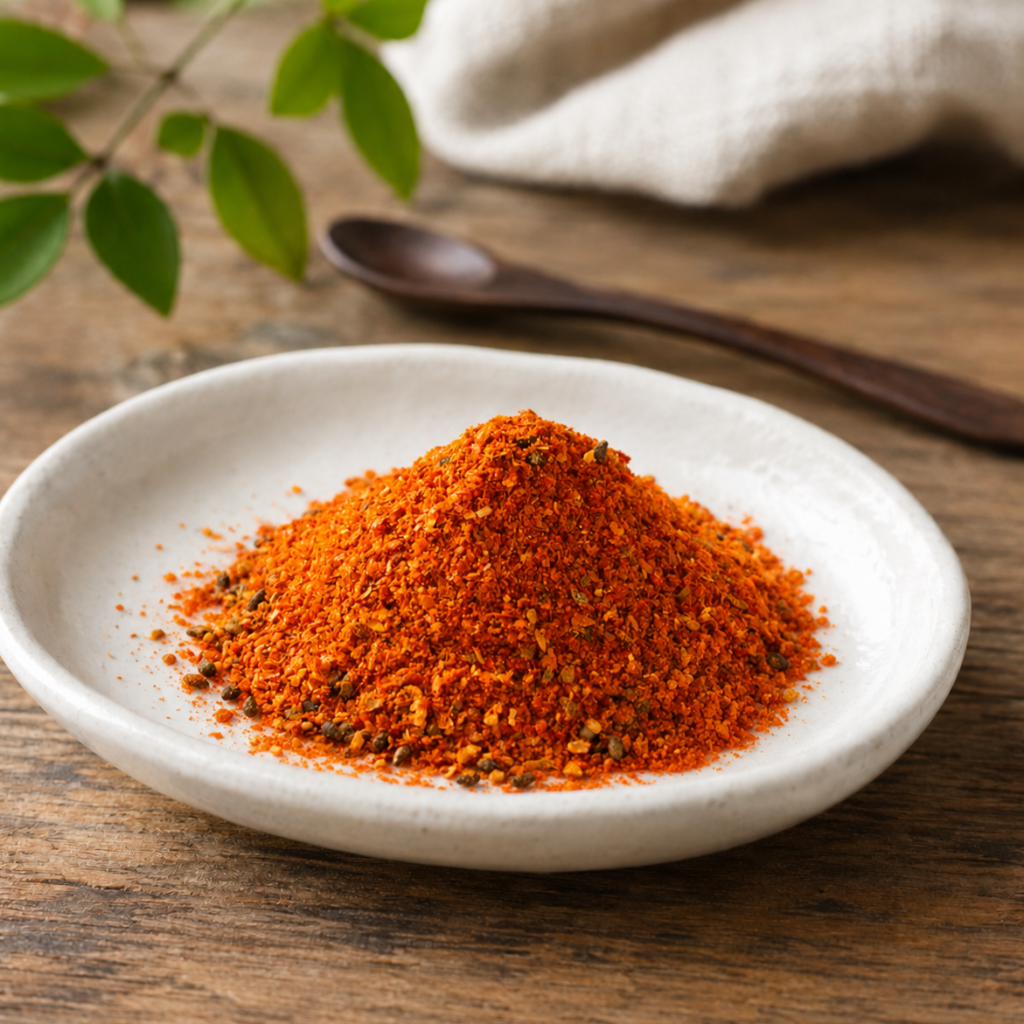
Shichimi togarashi is a Japanese spice blend made with red chili pepper, sesame seeds, citrus peel, and other aromatic ingredients. It is often sprinkled over many finished dishes, from rice bowls and yakitori to grilled fish.
Sprinkle a small amount over your bowl of miso soup before eating to add gentle heat and a bright, aromatic finish.
Green Onion
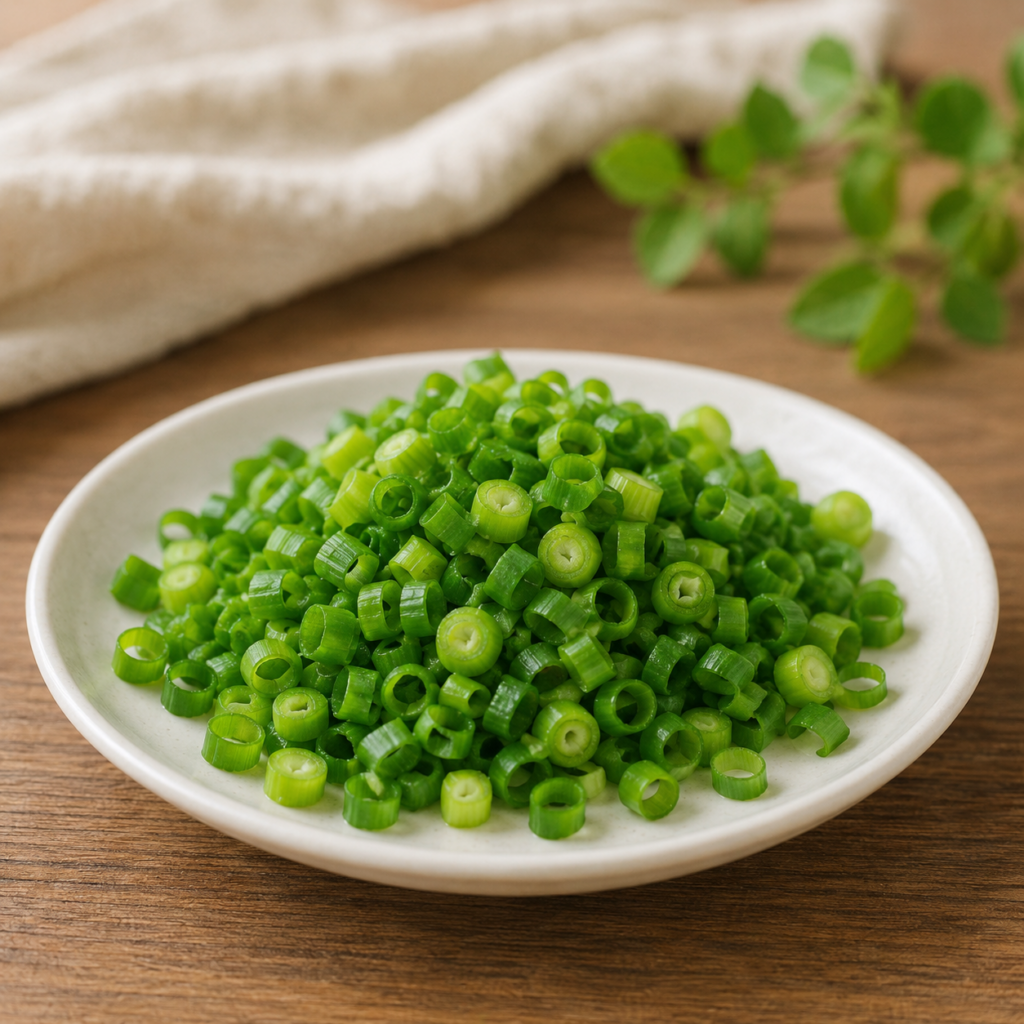
Green onion is one of the most common aromatic vegetables used in Japanese cooking. It is often added as a finishing touch to soups, noodles, and many other everyday dishes.
For miso soup, you can sprinkle thinly sliced green onion over your bowl before eating. It adds a fresh green aroma and a crisp texture, giving the soup a nice accent.
Shiraga Negi
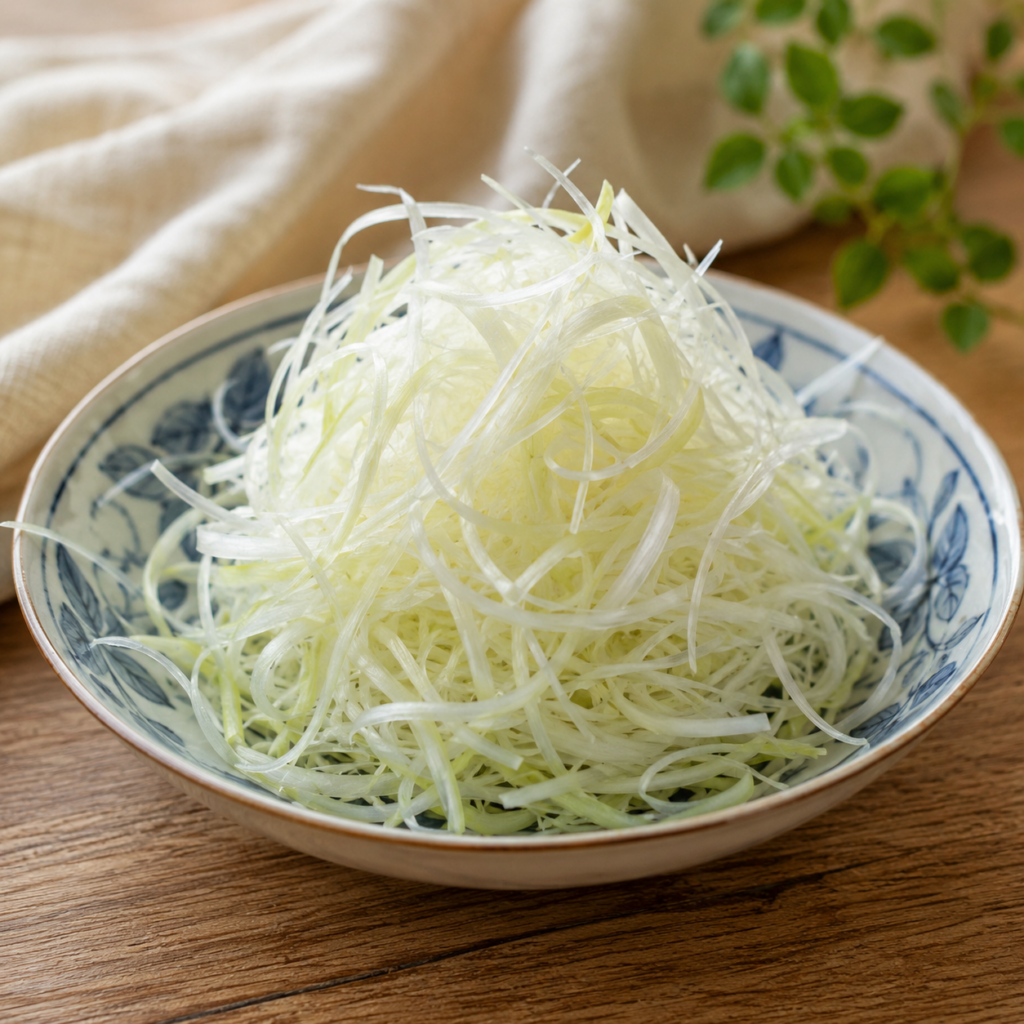
Shiraga negi literally means “white-hair Japanese leek,” named for its fine, hair-like appearance. It is made by cutting only the white part of Japanese leek into very thin strips. See the cutting method.
It is often used as a topping for ramen, meat dishes, and fish dishes. In miso soup, it adds a mild sharpness and a crisp texture that brightens the bowl.
Mitsuba
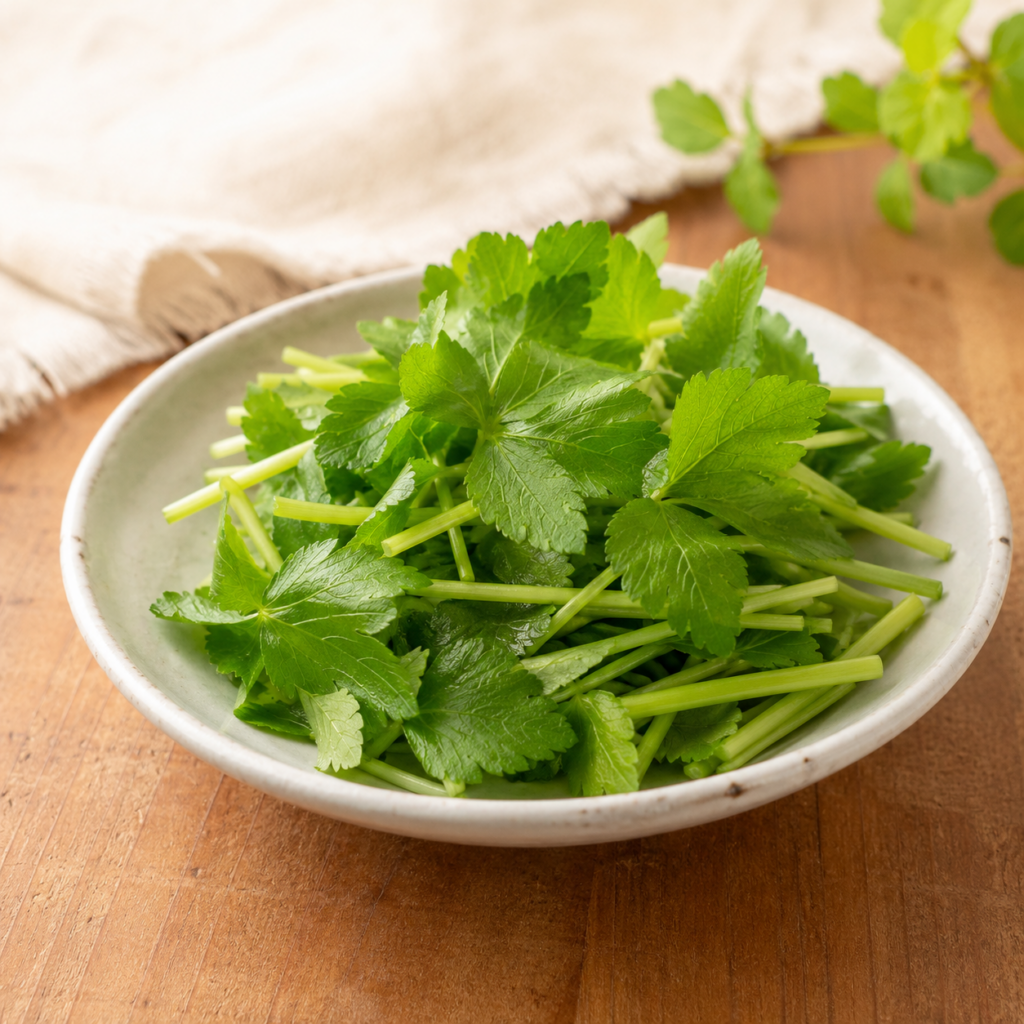
Mitsuba is a Japanese herb commonly found in Japanese cooking. It has a refreshing, distinctive aroma. Although it looks a little like cilantro, its flavor is completely different.
It is a classic topping for dishes such as oyakodon. For miso soup, roughly chop the mitsuba into 2–3 cm (about 1 inch) pieces and add it to your bowl before eating.
Grated Ginger
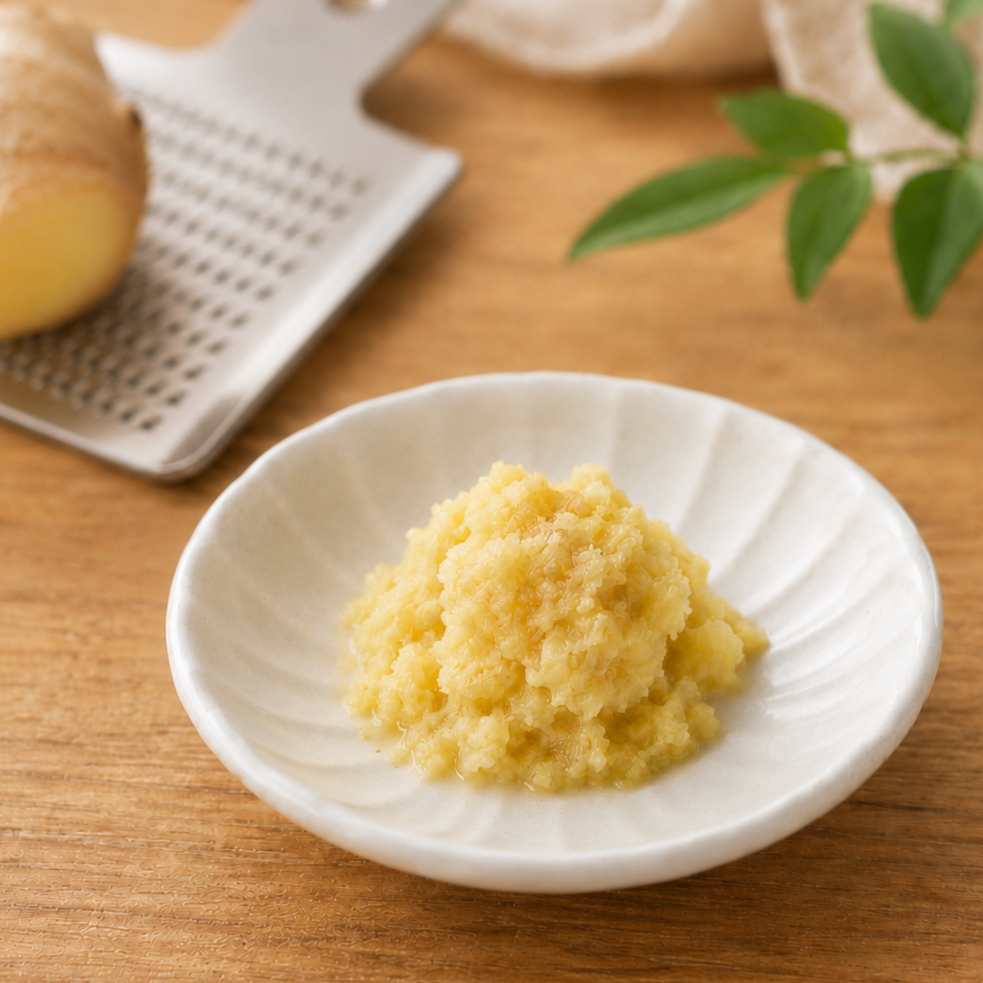
Grated ginger adds a pungent, refreshing aroma to miso soup. Freshly grated ginger is especially recommended because its fragrance is more vibrant than store-bought grated ginger.
Much of ginger’s aroma is concentrated near the skin, so scrub the surface well instead of peeling it. Then grate the ginger and add a small amount to your bowl before eating, or stir it into the pot at the very end.
Toasted Sesame Oil

Toasted sesame oil has a deep, toasty aroma. Drizzle a small amount over your bowl before eating to give the soup a rich, fragrant finish.
Chili Oil
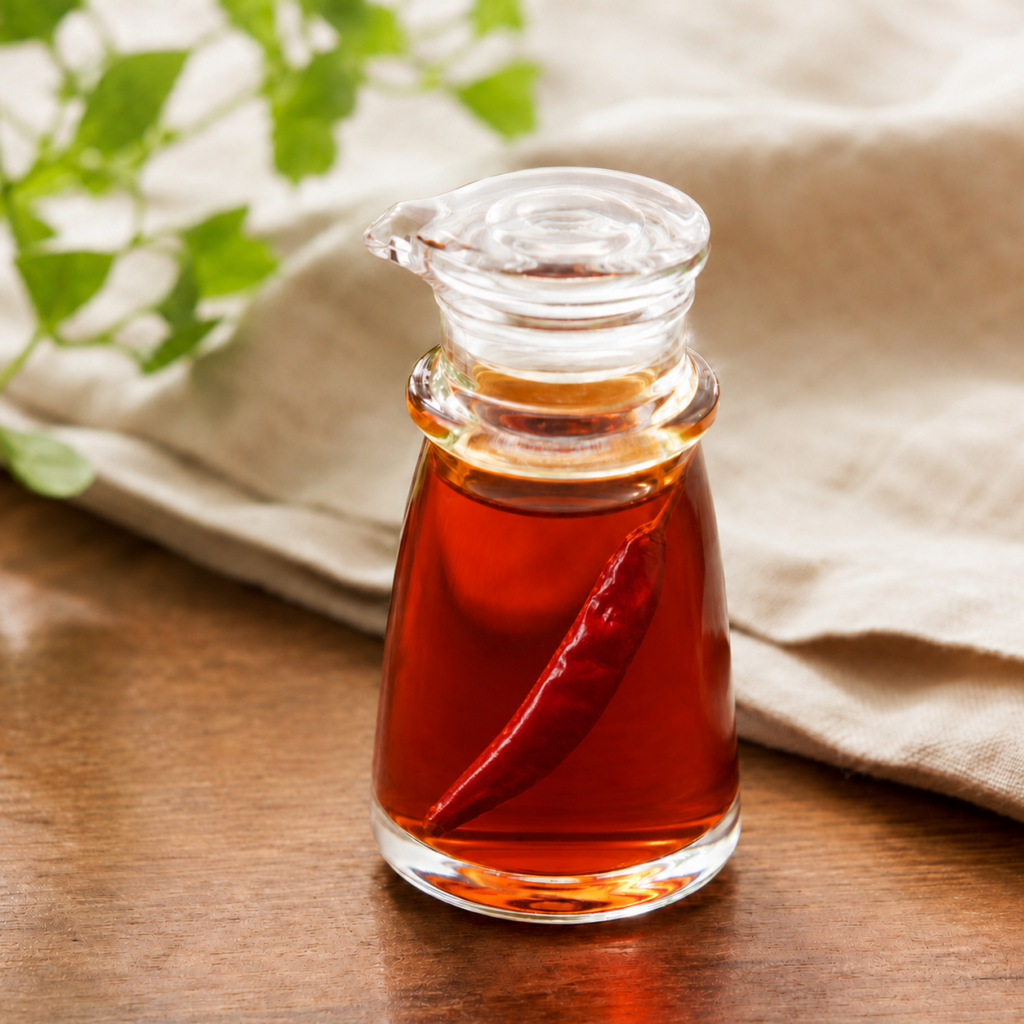
Chili oil, called rayu in Japanese, is an infused oil made with chili pepper. In Japan, it is often kept on restaurant counters and tables and added to foods such as ramen and gyoza when people want a little extra heat.
For miso soup, drizzle a small amount over your bowl before eating. It adds a spicy aroma and a bright red color that makes the soup look even more appetizing.
Butter

Butter adds a rich aroma and deep, mellow flavor to miso soup. Miso ramen is often topped with a pat of butter, which shows how well butter and miso go together.
After ladling hot miso soup into your bowl, drop in a small piece of butter and let it melt. It gives the soup a rich, comforting finish.
-scaled.jpg)
Your miso soup does not have to be the same every day. A small add-in can change the aroma, richness, spiciness, or mildness of the soup and make it feel new again.
I hope you find your favorite add-ins and enjoy making everyday miso soup your own.





Comments