
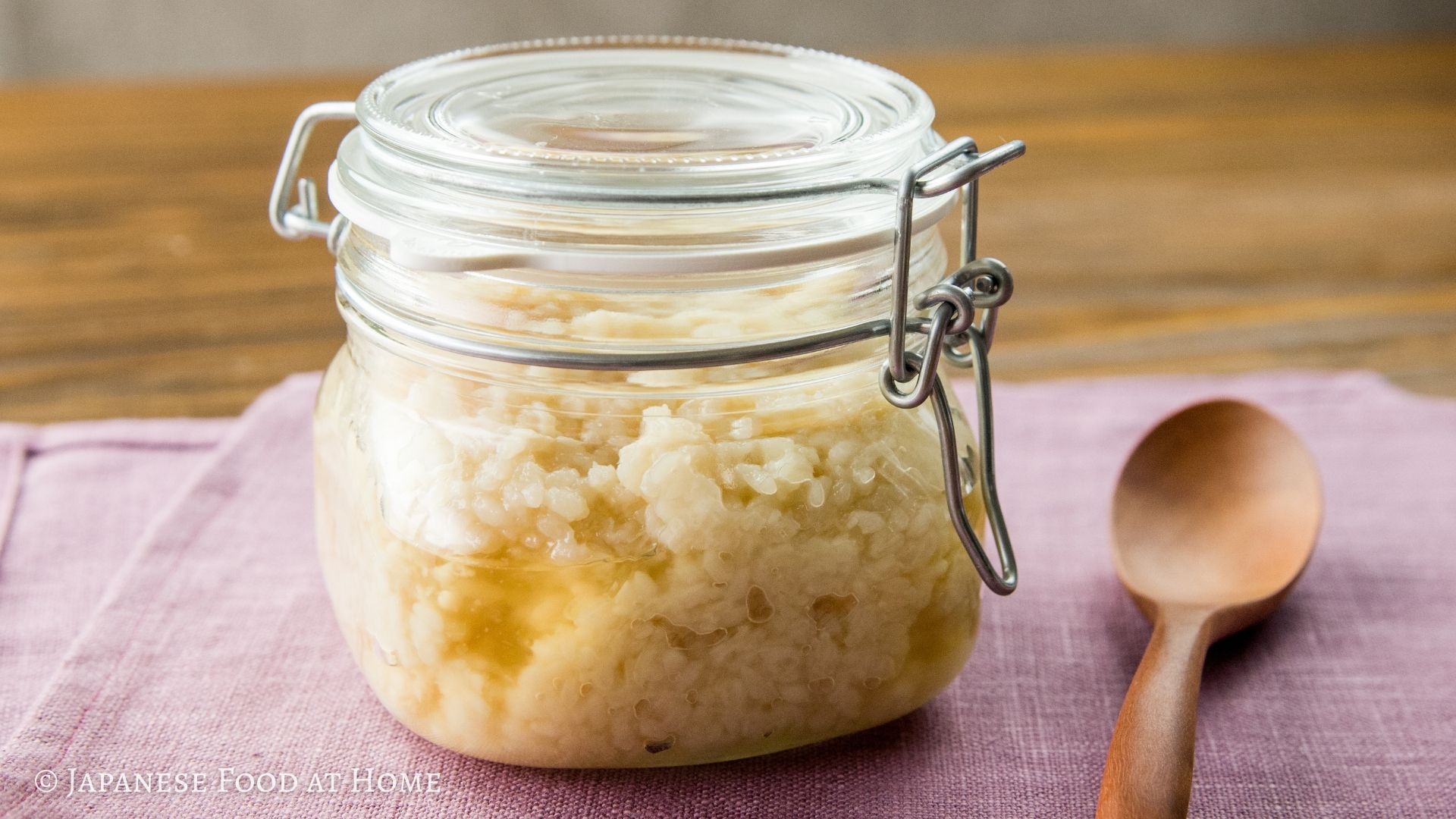
Shio koji is a relatively new addition to the Japanese pantry, but it has already become a familiar seasoning in home kitchens across Japan. Although it is widely available in stores, it is also easy to make at home.
The traditional method takes one to three weeks at room temperature, but in this article, I’ll show you how to make shio koji in just a few hours and share some simple ways to use it in everyday cooking.
What Is Shio Koji?
Shio koji is a fermented seasoning made from rice koji, salt, and water. Rice koji is steamed rice that has been cultured with koji mold, which produces enzymes as it grows.
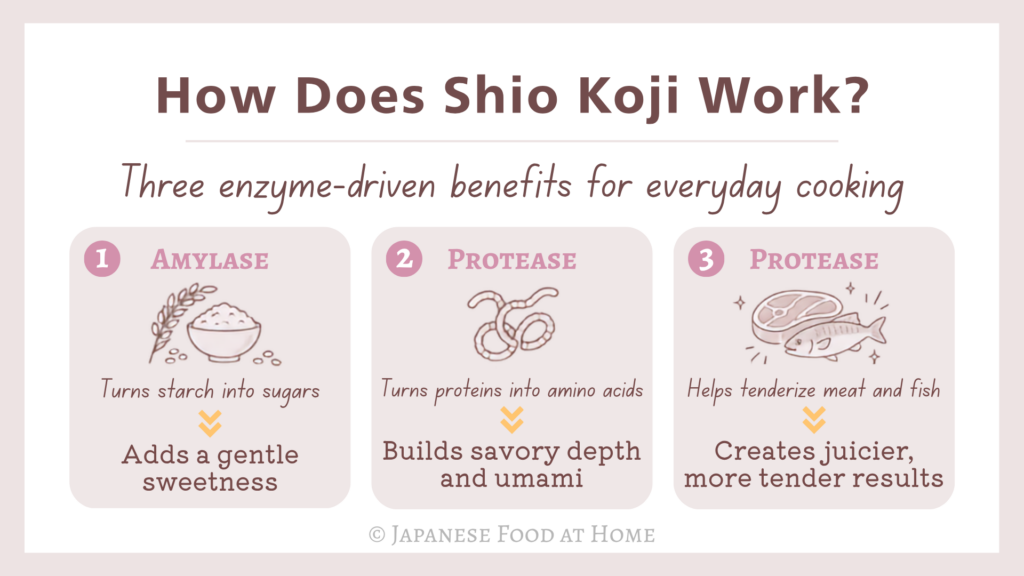
These enzymes are what give shio koji its distinctive flavor and useful properties in cooking. Amylase breaks down starch into sugars, creating a gentle sweetness, while protease breaks down proteins into amino acids, adding savory depth and umami. Protease also helps tenderize meat and fish. As a result, shio koji can make even simply cooked dishes more flavorful, juicy, and tender.
Shio koji is traditionally matured at room temperature and stirred once a day. The process generally takes about one week during the warmer months and up to three weeks in colder weather. A rice cooker, however, can shorten the maturation period to just a few hours. Below, I’ll show you how to make shio koji using this faster method.
How to Make Shio Koji in a Rice Cooker
Ingredients
200 g dried rice koji
300 g water
60 g salt
Instructions
Place the rice koji in the inner pot of the rice cooker. If it has formed clumps, break them apart thoroughly with your hands.
Pour the water into a saucepan and heat it over medium heat. As soon as small bubbles begin to appear, remove the pan from the heat. Add the salt and stir until completely dissolved.
Allow the salt water to cool to 60°C (140°F). Pour it over the rice koji in the rice cooker pot and mix well. Place the pot in the rice cooker.
With the rice cooker lid left open, press the Keep Warm button and cover the opening with a clean kitchen towel. Heat gently for about 2–4 hours, stirring and checking the mixture approximately once an hour. The shio koji is ready when the grains can be easily crushed between your fingertips.
Allow the shio koji to cool, then transfer it to a clean, lidded container. Store it in the refrigerator for up to about six months.
Cooking Tips
- Adjust the Water When Using Fresh Rice Koji
If you are using fresh rice koji instead of dried rice koji, reduce the water to 200 g, as fresh koji already contains more moisture. - Keep the Rice Cooker Lid Open
The Keep Warm setting on most rice cookers is said to maintain a temperature of around 60–75°C (140–167°F). At temperatures this high, the koji mold is killed and the enzymes it produces can also become inactive, preventing shio koji from delivering its enzyme-driven benefits.
To avoid overheating the mixture, leave the rice cooker lid open so that excess heat can escape and the shio koji remains at a suitable temperature. - Check the Texture as It Matures
Because the shio koji is matured with the rice cooker lid open, the time required will vary depending on the room temperature. It may take around two hours in summer and up to four hours in winter.
Check the texture about once an hour by taking a grain between your fingertips. It is ready when the grains can be crushed easily. If they break apart but still feel like hard grains of sand, the centers are not yet fully softened, so continue heating. - Stir Before Each Use
Shio koji continues to mature slowly in the refrigerator, so its color and the softness of the koji grains will gradually change over time. The solids and liquid may also separate as it sits. Stir the shio koji well before each use.
How to Use Shio Koji
Shio koji can be used much like salt, but it adds more than saltiness. Its gentle sweetness and umami make it easy to create a well-balanced flavor with just one seasoning.
As an Everyday Seasoning
Try using shio koji in place of salt in dishes such as:
- Shredded or julienned vegetables tossed with vinegar and oil
- Stir-fries
- Soups and simmered dishes
- Marinades for meat and fish
Unlike fine-grained salt, shio koji contains larger grains, so mix it thoroughly with the other ingredients to ensure the seasoning is evenly distributed.
A Note on Starch-Thickened Dishes
Shio koji contains enzymes that break down not only proteins but also starch. If it is added directly to a starch-thickened sauce—such as béchamel sauce thickened with wheat flour or ankake sauce thickened with potato starch—the sauce may lose its thickness.
There are two ways to prevent this:
- For a sauce that is already thickened: Heat the shio koji separately in the microwave until hot to deactivate the enzymes, then stir it into the sauce.
- When thickening the sauce at the end: Add the shio koji to the sauce first and adjust the flavor. Bring the sauce to a gentle simmer to deactivate the enzymes. Let it cool slightly, then add the starch slurry and return it to a gentle simmer to finish thickening the sauce.
-scaled.jpg)
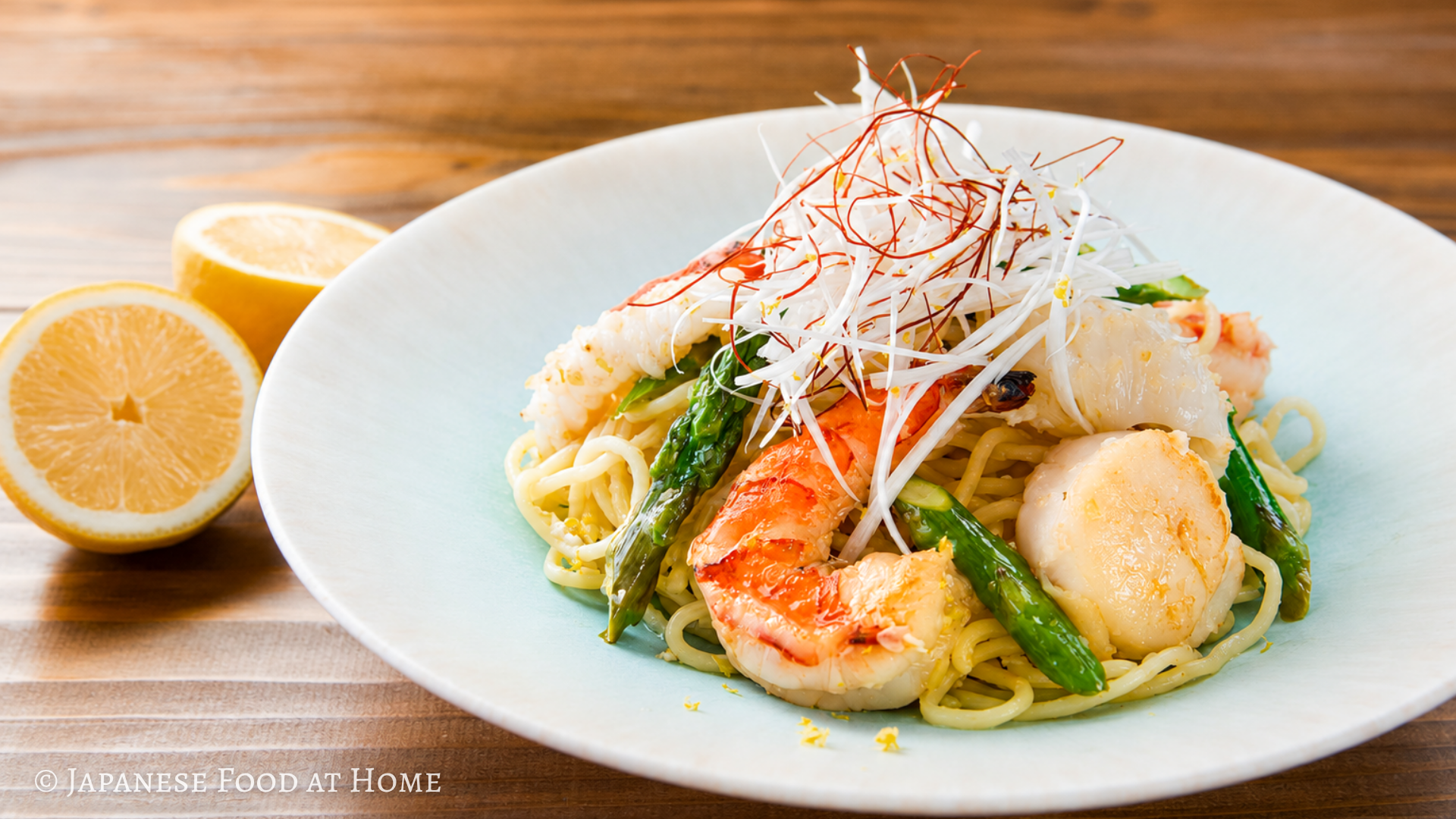
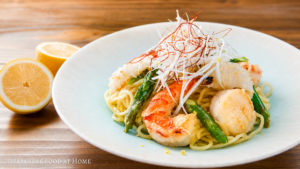
Ready to put your shio koji to use? Try my Seafood Shio Yakisoba, a Japanese stir-fried noodle recipe made with shio koji, lemon, and plenty of seafood. It is packed with umami, yet still light and refreshing — perfect for summer!
Comments