
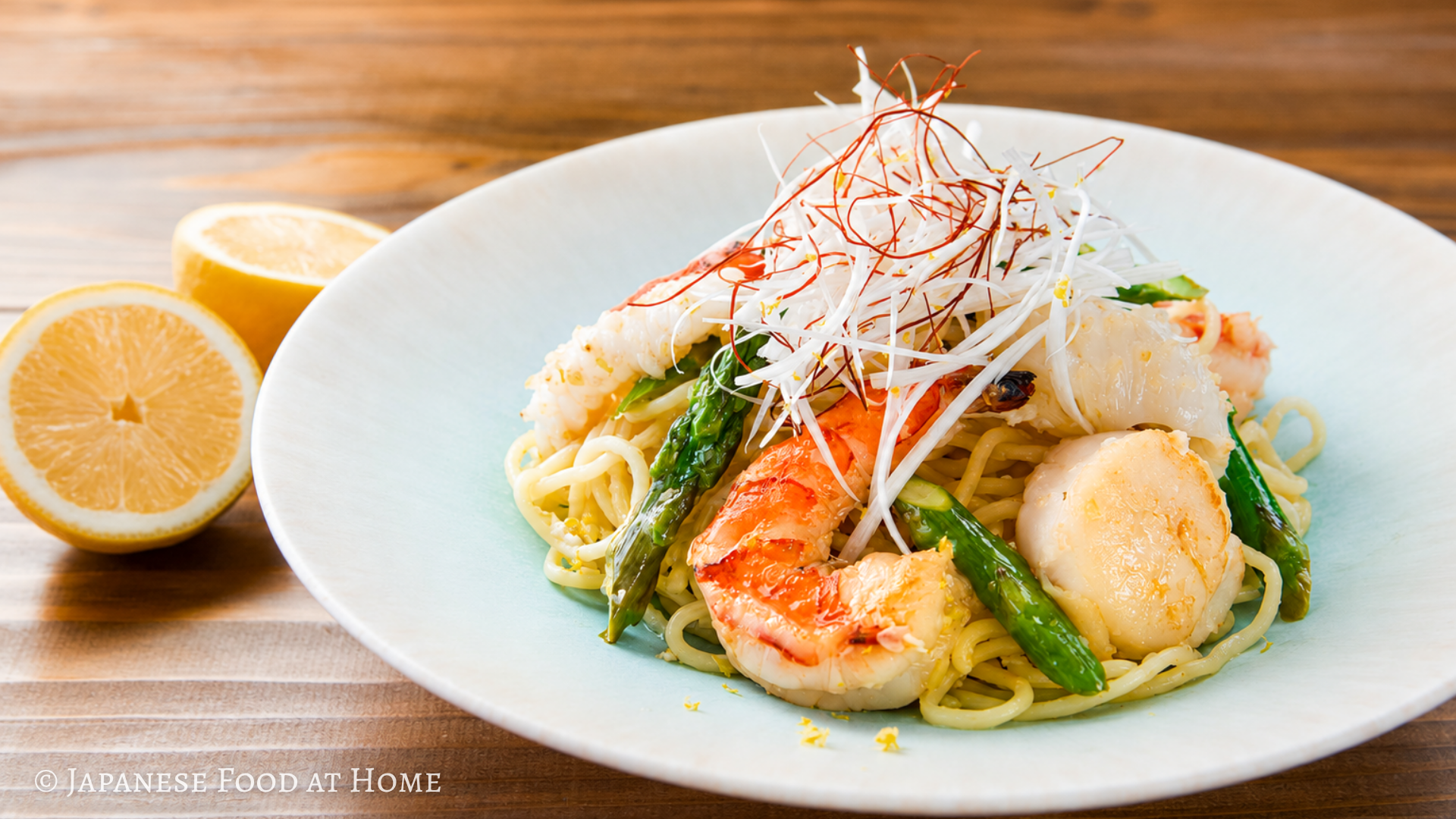
Sauce Yakisoba vs. Shio Yakisoba
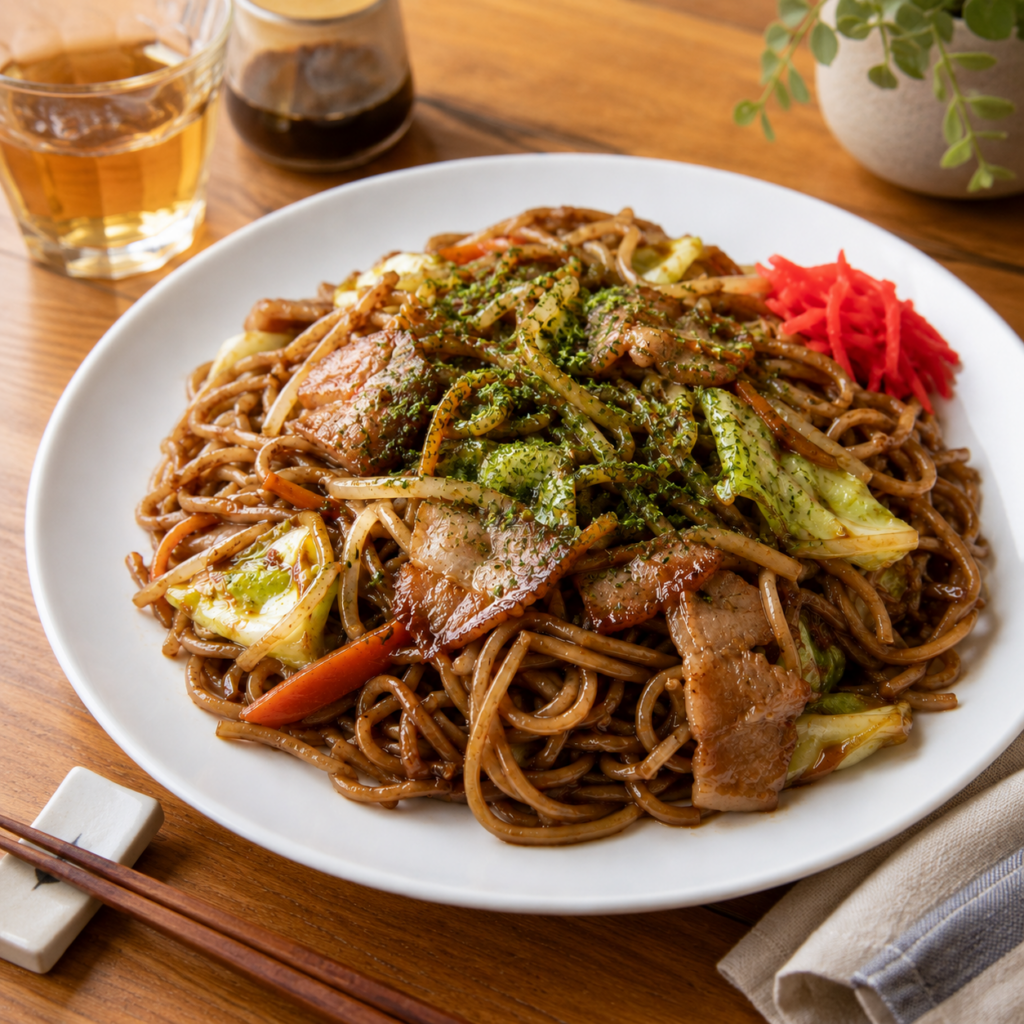
When you think of yakisoba, you might picture noodles coated in a rich, dark, sweet-savory sauce. In Japan, this style is called sauce yakisoba, and it is certainly the most classic and familiar version of the dish.
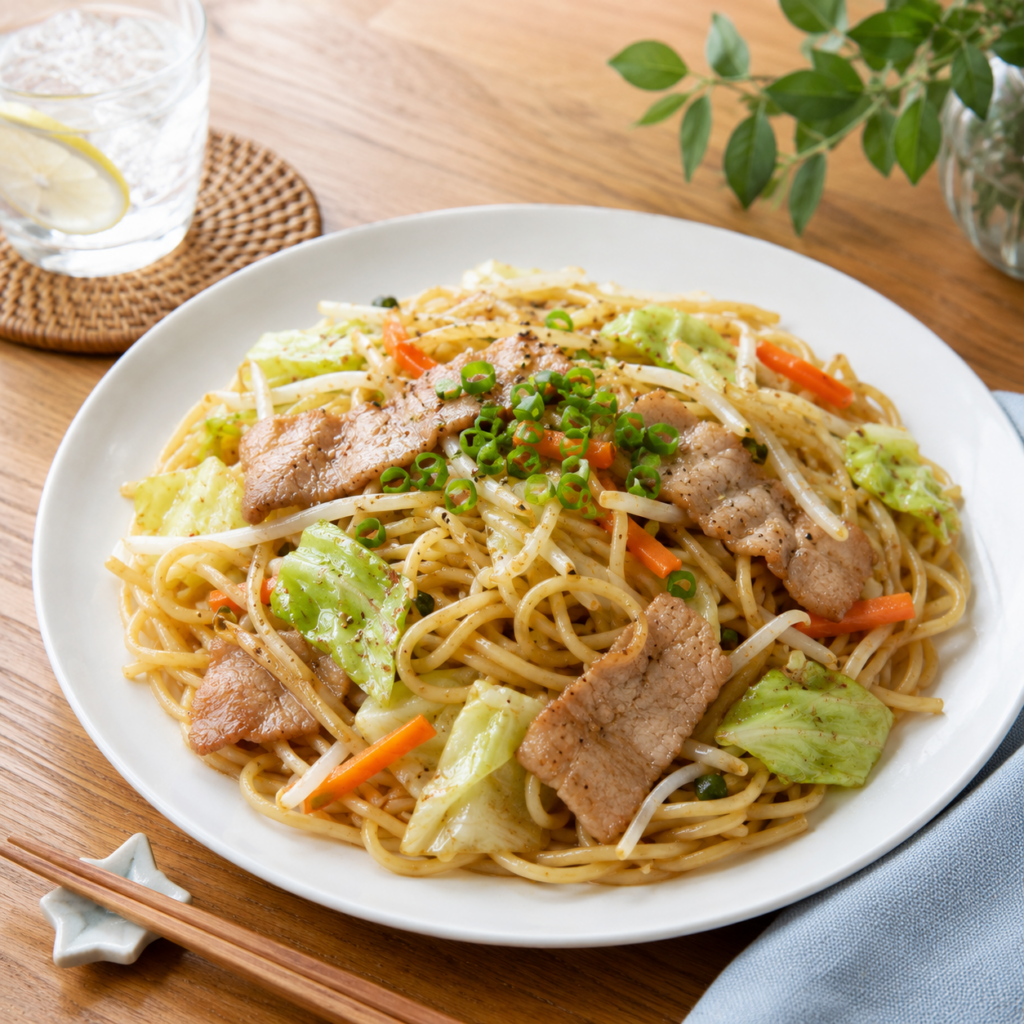
In recent years, however, shio yakisoba has also become popular. Instead of using the usual yakisoba sauce, it is seasoned more simply, allowing the natural flavors of the ingredients to come through. It tastes lighter than the classic sauce-based version.
Because shio yakisoba has a simpler flavor profile, seasoning it with salt alone can sometimes make the dish feel a little flat. That is why many recipes add layers of flavor with ingredients such as sesame oil or garlic.
In this recipe, instead of relying on those rich aromatics, shio koji adds savory depth and gentle roundness, while plenty of lemon juice makes the noodles taste bright, light, and refreshing — perfect for summer.
With the natural umami of seafood, the rounded flavor of shio koji, and a fresh citrus note from the lemon, this is a simple but satisfying noodle dish. It is especially nice when you want something flavorful but not too heavy.
How to Make Seafood Shio Yakisoba
Ingredients for 2 Servings
2 portions of yakisoba noodles, about 270 g total
3 Tbsp water
4 frozen sea scallops
80 g frozen squid
6 prawns
4 asparagus spears
50 g Japanese leek, white part only
10 g freshly grated ginger
1 large lemon
45 g shio koji
2 tsp + 2 tsp vegetable oil
Topping (Optional)
Chili threads, for garnish
Ingredient Tips
- The amount of shio koji in this recipe is based on the homemade shio koji introduced in the article below. If you are using store-bought shio koji, adjust the amount as needed, as the saltiness may vary by product. In general, store-bought shio koji tends to be saltier than homemade versions.
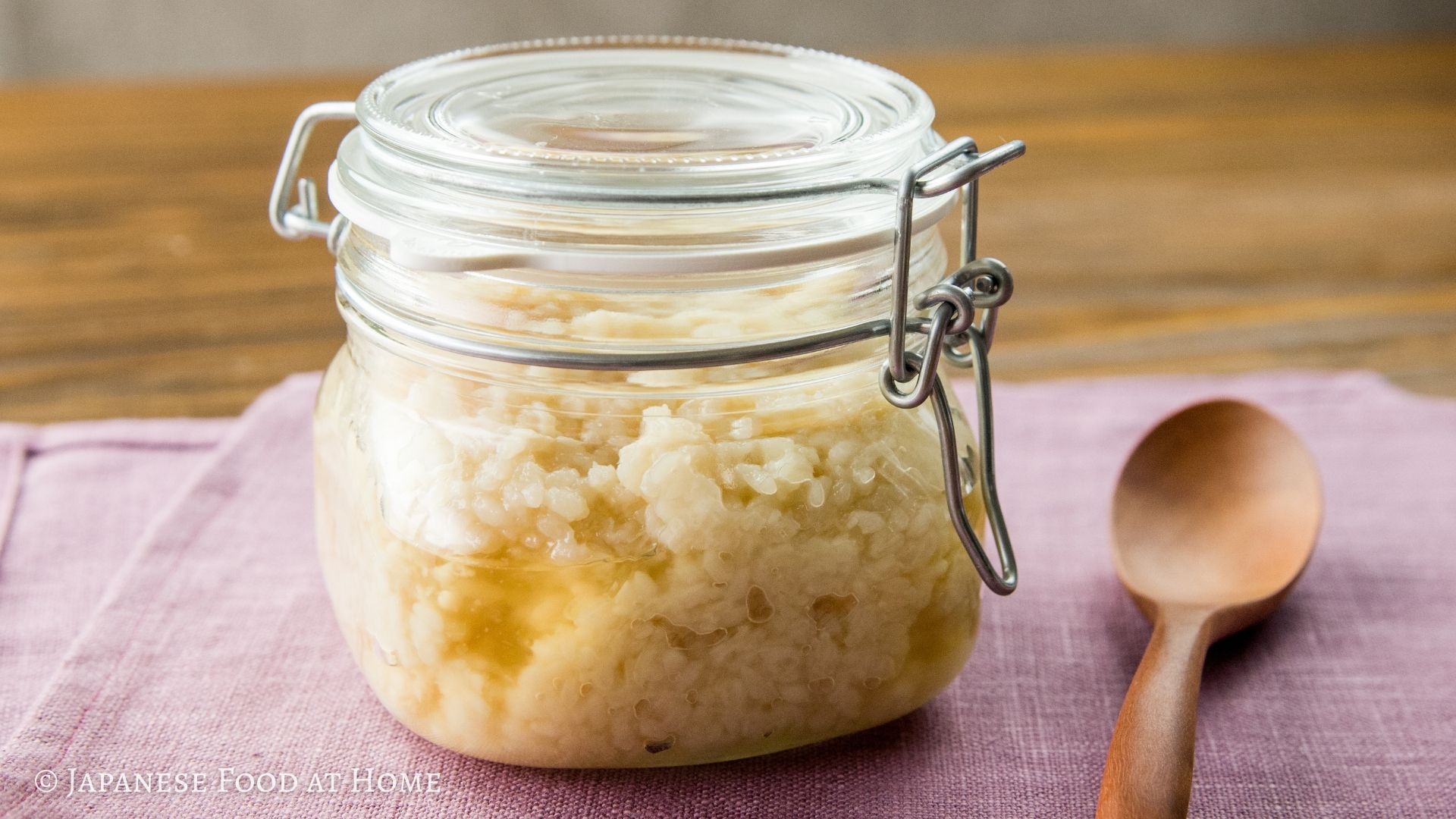
- If you would like to add lemon zest as a finishing touch, choose an unwaxed lemon that has not been treated with post-harvest fungicides.
Preparation
- Thaw the scallops and squid by soaking them in 3% salt water in the refrigerator for at least 4 hours. If the prawns are also frozen, thaw them together in the same salt water.
- Cut the Japanese leek into 6 cm (2.4 inch) lengths. Make a lengthwise slit in each piece, remove the core, and cut the outer layers into thin julienne strips. This is called shiraga negi. Soak the shiraga negi in water for a while, then drain well. Finely chop the removed core.
- Wash the lemon peel thoroughly. Squeeze the juice and mix it with the shio koji. Set aside the remaining peel for finishing.
- Peel the tough skin from the base of the asparagus, then cut the spears diagonally into bite-size pieces.
Instructions
Drain the scallops and squid, then pat them dry thoroughly with paper towels. If the squid pieces are large, cut them into bite-size pieces. Peel the prawns, make a shallow slit along the back, and remove the vein if needed.
Preheat a frying pan over medium-high heat and add 2 teaspoons of vegetable oil. Arrange the scallops, squid, and prawns in the pan and sear them on both sides. Remove each piece from the pan as soon as it is cooked through, then turn off the heat.
Add the remaining 2 teaspoons of vegetable oil, the chopped Japanese leek core, and the freshly grated ginger to the same pan. Stir-fry them briefly using the residual heat.
Return the pan to medium-low heat, add the asparagus, and stir-fry quickly. Add the yakisoba noodles and water, then stir-fry while loosening the noodles.
Once the noodles are completely loosened, return the seafood to the pan. If any juices have collected from the seafood, add them as well. Add the shio koji and lemon juice mixture, then toss everything together until evenly coated.
Transfer the yakisoba to a serving plate. Top with the shiraga negi and chili threads, then grate the reserved lemon peel over the top to finish.
Cooking Tips
- Thaw Frozen Seafood in Salt Water
Soaking frozen seafood in water helps it thaw more quickly, but plain water can make it taste watery. For better texture and flavor, thaw the seafood in salt water instead.
- Cook Sashimi-Grade Scallops Lightly
If you are using sashimi-grade scallops, you do not need to cook them all the way through. I recommend searing the outside until golden brown while keeping the center rare, so the scallops stay juicy and tender.
- Try Other Ingredients
This shio koji and lemon seasoning also goes well with ingredients beyond seafood and asparagus. Try it with pork, cabbage, or your favorite stir-fry ingredients.
-scaled.jpg)
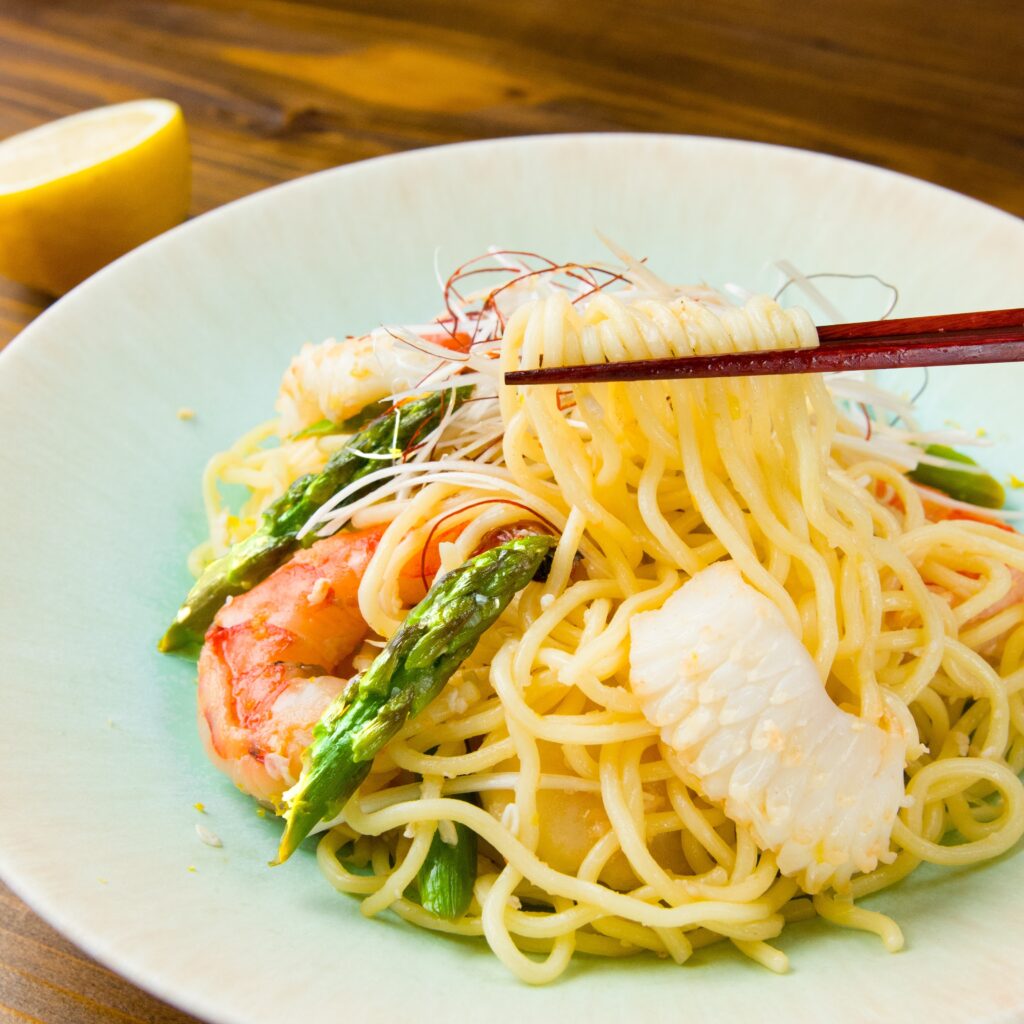
The key is to let the seafood, shio koji, and lemon each do their job. Keep it simple, cook it lightly, and enjoy a bright, refreshing bowl of yakisoba that is perfect for summer.
Comments