

In my article about miso soup culture, I introduced how miso soup is deeply connected to everyday home cooking in Japan.
One of the interesting things about miso soup is how flexible it can be when it comes to ingredients. They can vary depending on the region, season, family tradition, and personal taste. Some combinations are classic and familiar, while others may feel a little unexpected.
Because of this, you might wonder what you can actually put in miso soup when making it at home.
In this article, I will introduce a variety of miso soup ingredient ideas, from classic combinations to more unique ones. I hope this guide gives you inspiration when you are not sure what to put in your next bowl of miso soup.
Miso Soup Ingredient Ideas
How to Choose Miso Soup Ingredients
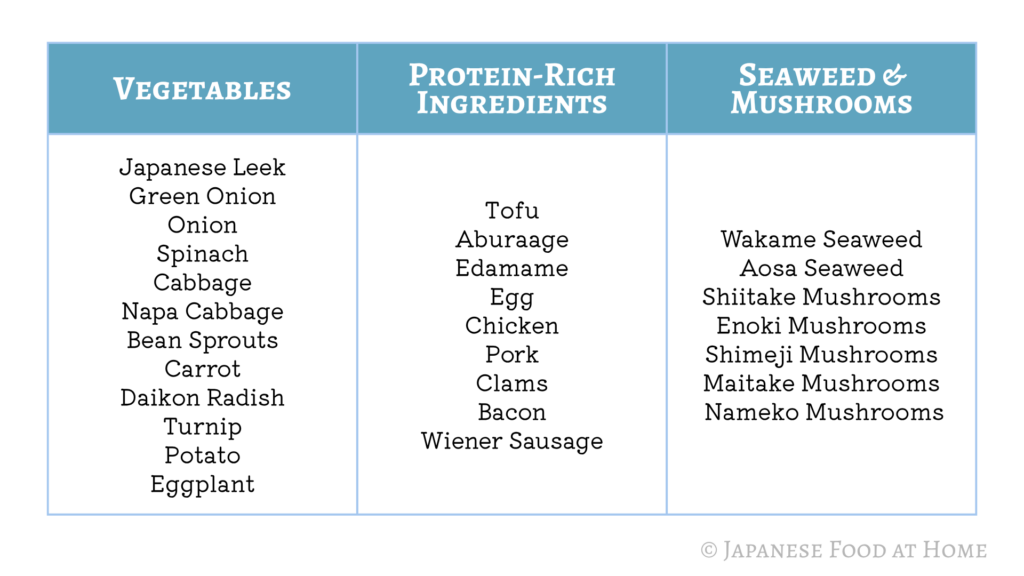
The chart above divides common miso soup ingredients into three groups: vegetables, protein-rich ingredients, and seaweed and mushrooms.
By choosing two or three ingredients from multiple columns, you can create a bowl of miso soup with a good balance of flavor and nutrition. Since miso soup can be made with a wide range of ingredients, it is also a great way to add something that may be missing from the rest of your meal. For example, you can choose from the vegetable column when you want to add more vegetables to the meal.
If you are not sure what to combine, take a look at the examples below for inspiration.
Miso Soup Ingredient Combination Examples
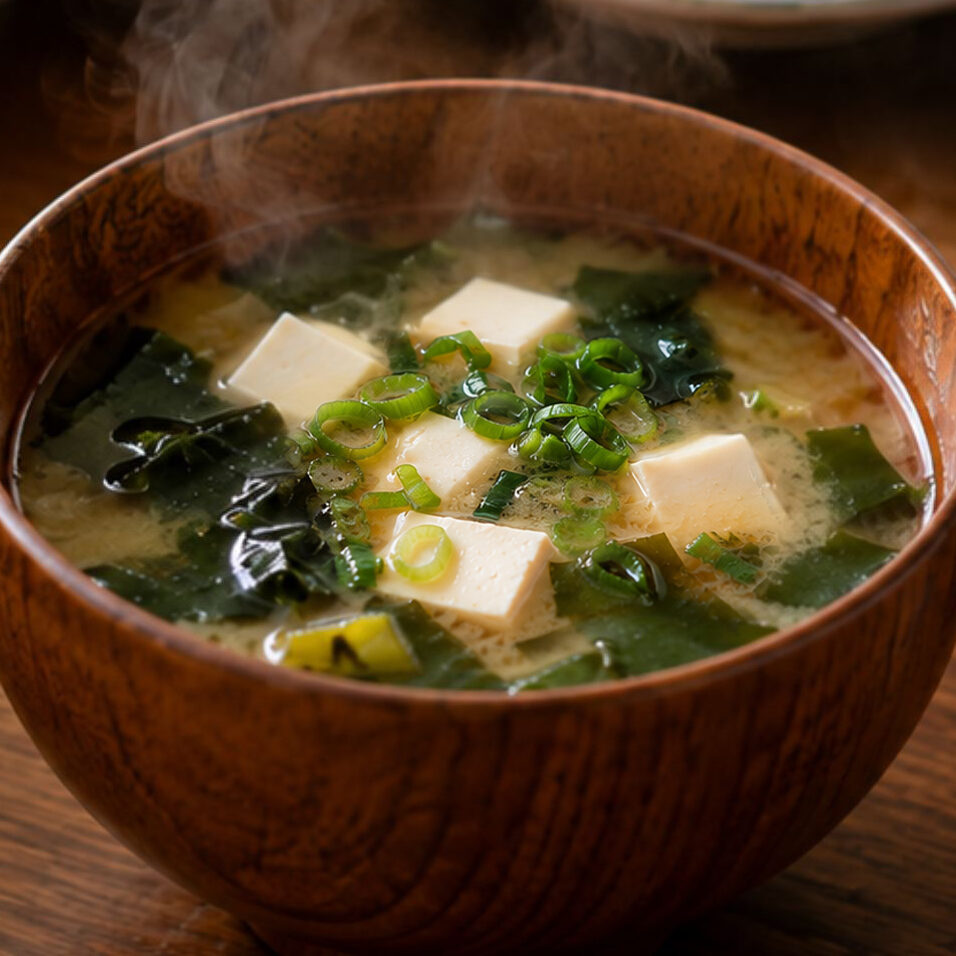
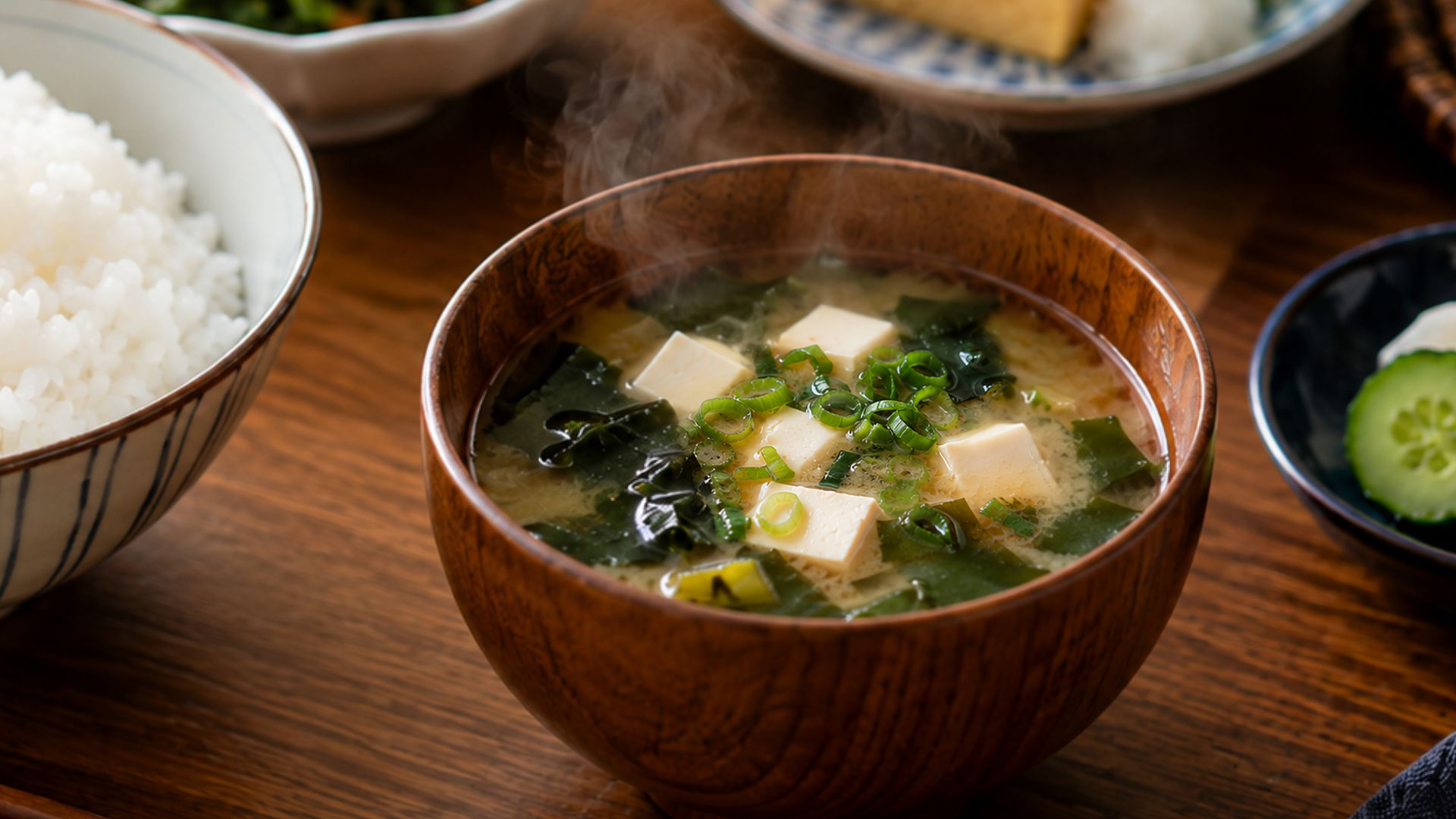
Tofu, Wakame, and Green Onion
A classic combination for miso soup. Rehydrate dried wakame in water, then add it to simmering dashi with tofu and cook briefly. Stir in the miso, and serve with chopped green onion on top.
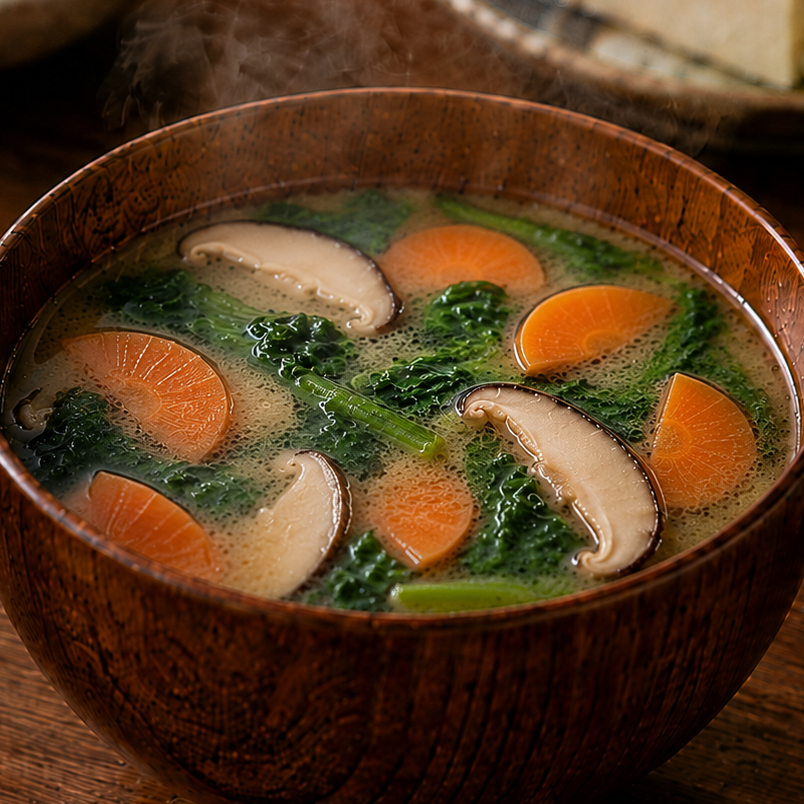
Spinach, Carrot, and Shiitake
Add carrot to simmering dashi. Once it is tender, add spinach and shiitake mushrooms, and simmer briefly. Stir in the miso to finish.
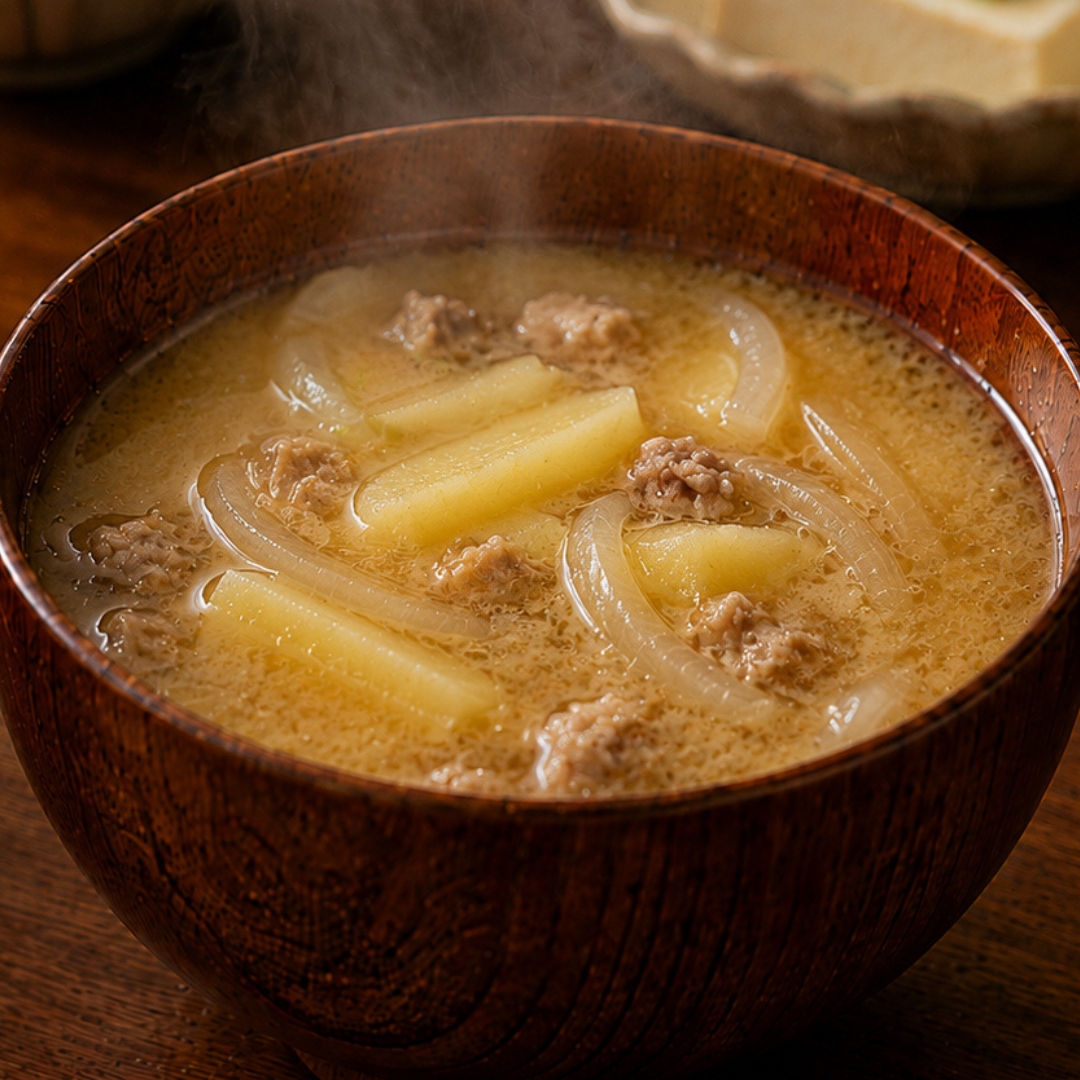
Potato, Onion, and Pork
Sauté ground pork with a little oil. Add dashi, potato, and onion, then simmer until tender. Stir in the miso to finish.
Thinly sliced pork can be used instead of ground pork.
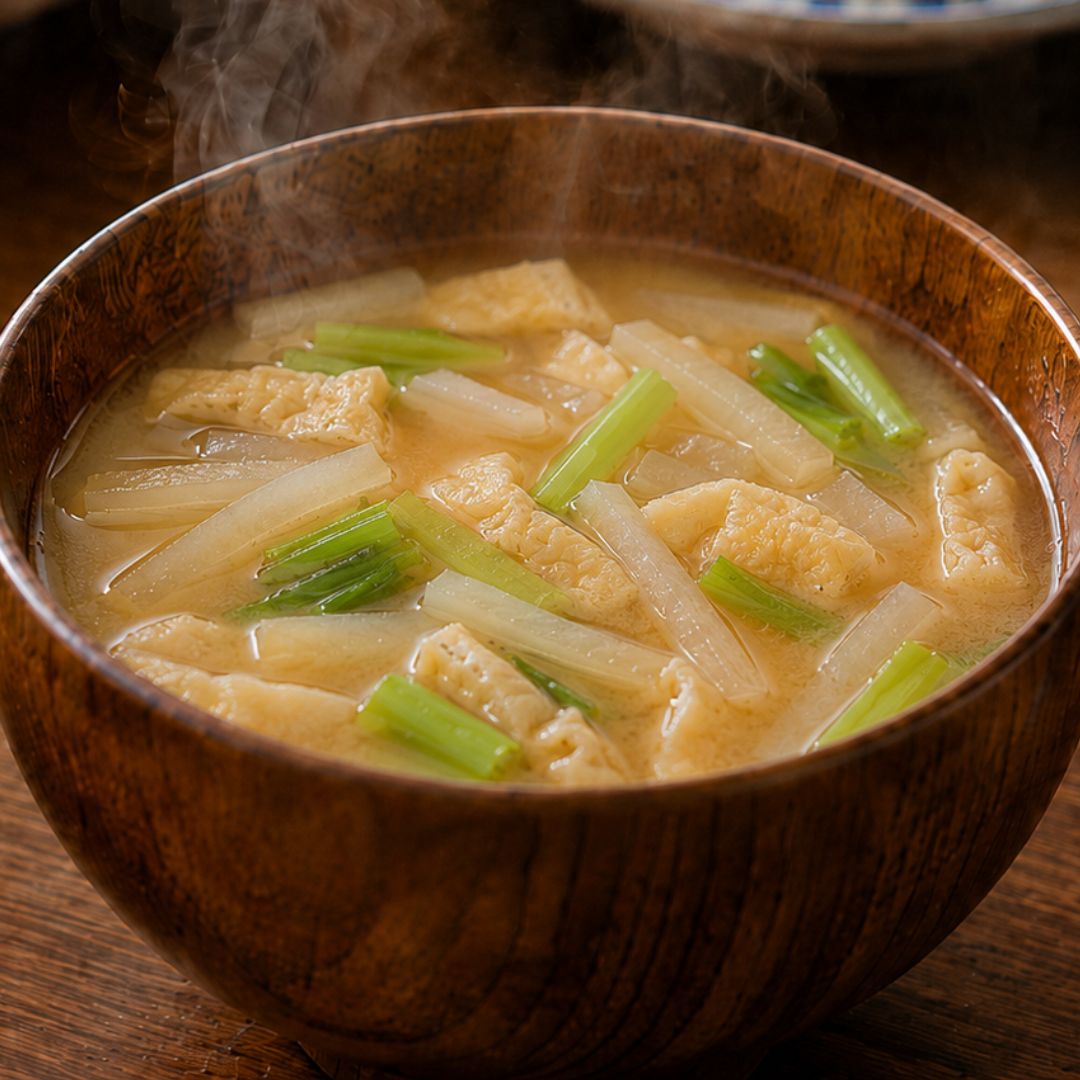
Daikon and Aburaage
Add daikon to simmering dashi. Once it is tender, add aburaage and chopped daikon greens, and simmer briefly. Stir in the miso to finish.
Pre-cut frozen aburaage is convenient to keep in the freezer.
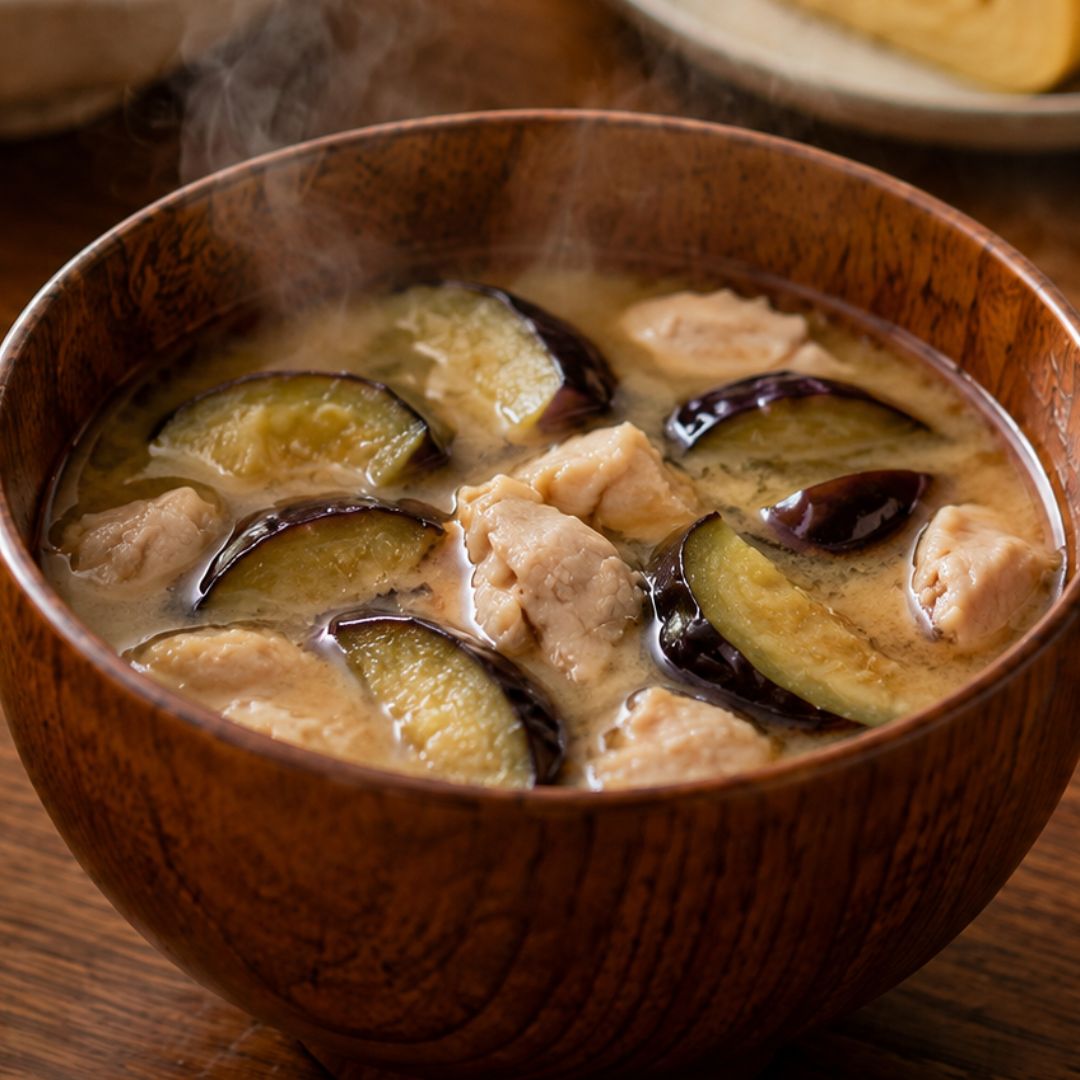
Eggplant and Chicken
Sauté chicken thigh with a little oil. Add dashi and simmer until cooked through, then add eggplant and simmer briefly. Stir in the miso to finish.
Frozen pre-fried eggplant is also a great option for miso soup.
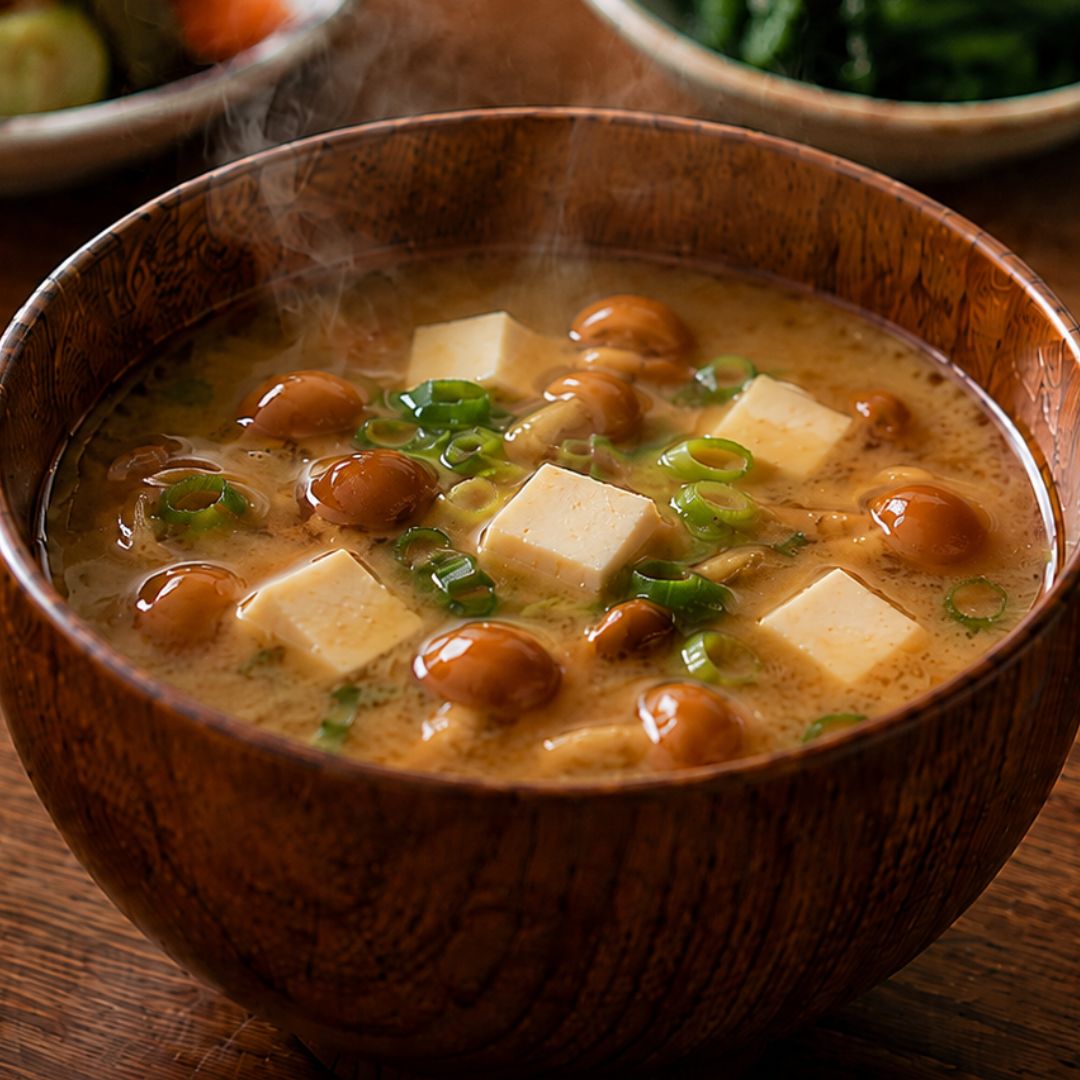
Nameko, Tofu, and Green Onion
Rinse nameko briefly in a strainer and drain. Add nameko and tofu to simmering dashi, then cook briefly. Stir in the miso, and serve with chopped green onion on top.

Clams and Aosa Seaweed
Place small clams, such as asari clams, and dashi in a pot, then heat. Once the clams begin to open, simmer for another 1–2 minutes and stir in the miso. Add aosa seaweed to the bowl, then pour the soup over it.

Cabbage and Wiener Sausage
Add cabbage, wiener sausage, and curry powder to simmering dashi. Once the cabbage is tender, stir in the miso. If you prefer a deeper aroma, sauté the curry powder in a little oil before adding the dashi.
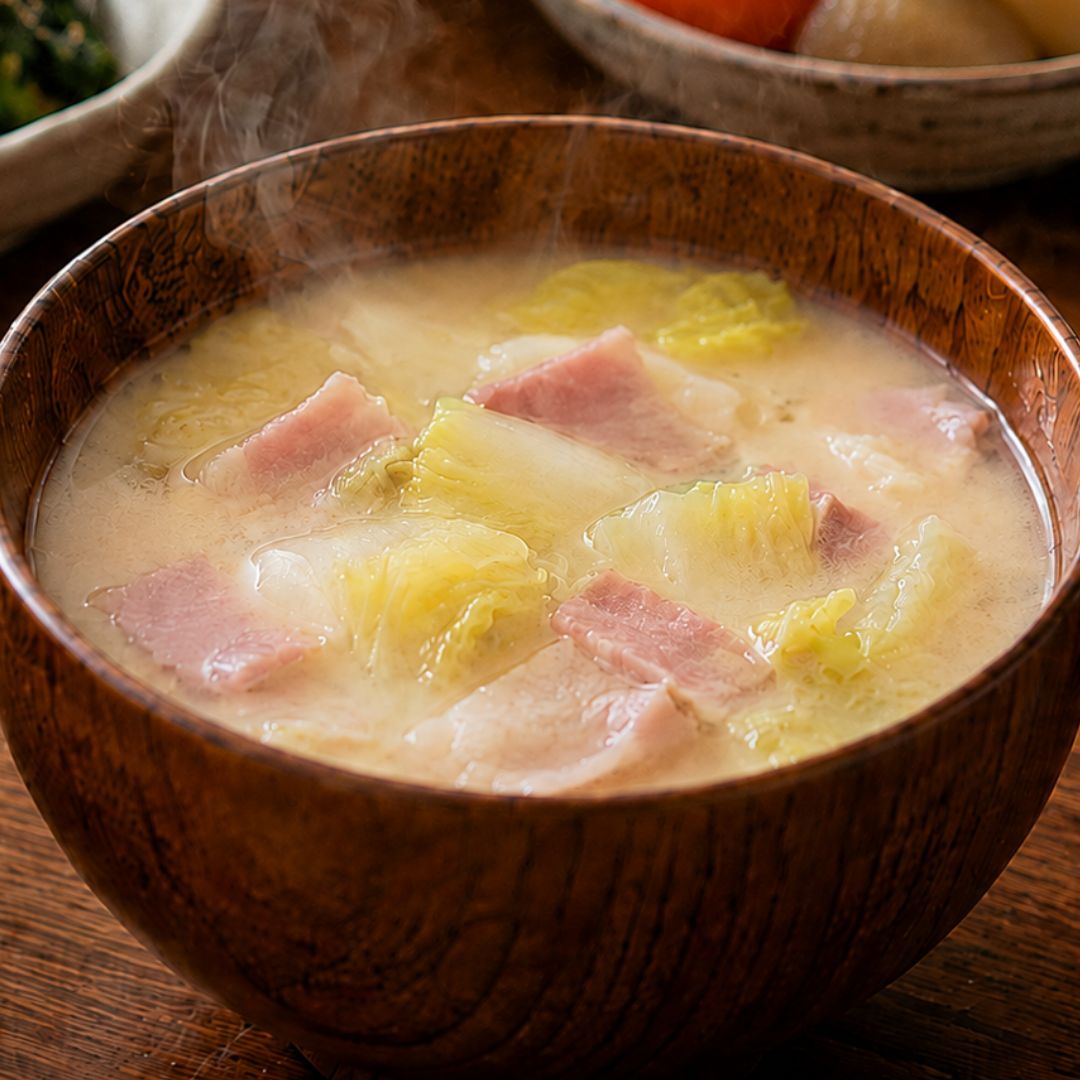
Napa Cabbage and Bacon
Add napa cabbage and bacon to simmering dashi. Once tender, add soy milk equal to about half the amount of dashi, then stir in the miso. Remove from the heat just before boiling, as soy milk can curdle when overheated.
Once you choose your ingredients, you can also add small flavor add-ins to change the aroma, richness, or heat of your miso soup. Check out the article below for more ideas.

Tips for Cooking Miso Soup Ingredients
Sauté First, or Add to Dashi?
- In general, vegetables can be added directly to dashi.
- Meat ingredients become more flavorful when sautéed first, but if you prefer a simpler method, you can also add raw meat directly to simmering dashi.
- Root vegetables can be added directly if they are thinly sliced or cut into strips. Larger chunks take longer to cook, so they may fall apart during simmering. Sautéing them first can help prevent this.
When to Add Ingredients to the Pot
- Root vegetables take longer to cook, so add them earlier.
- Leafy vegetables, tofu products, processed meats, and seaweed cook quickly, so they only need to be added toward the end and heated briefly. If Japanese leek is cut into larger pieces, simmer it like other vegetables. If it is thinly sliced or julienned, use it as a topping just before serving.
- Miso loses its aroma when boiled. Once the ingredients are cooked, turn off the heat before dissolving in the miso. Then warm the soup gently, and remove it from the heat just before it comes to a boil.
-scaled.jpg)
I hope this gave you some fresh ideas for your everyday miso soup. Next time, I’ll show you how to make tonjiru, a hearty pork and vegetable miso soup, step by step. Stay tuned!







Comments