
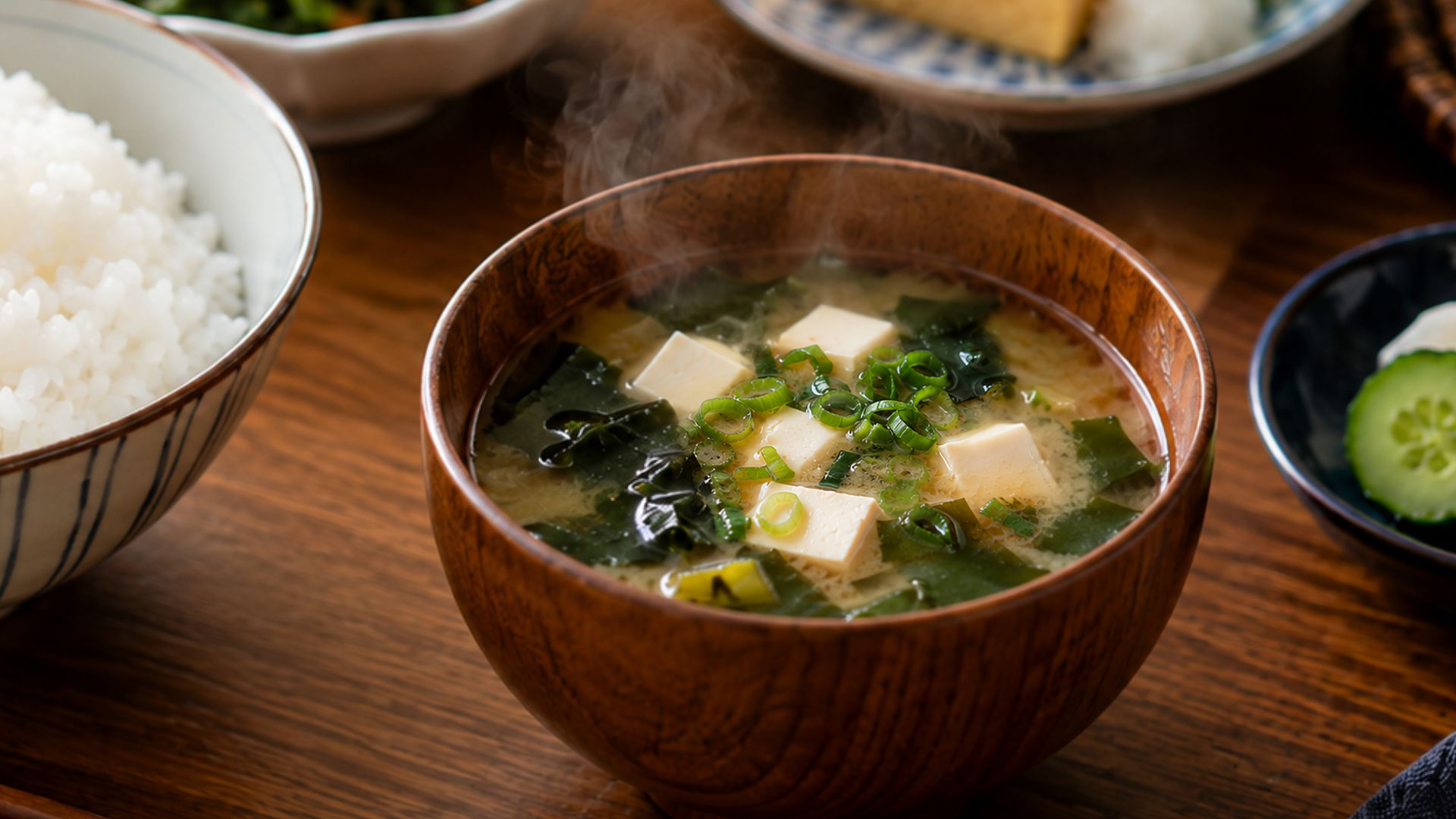
Miso soup is one of those dishes that quietly appears again and again in Japanese meals.
For many Japanese people, miso soup feels warm, comforting, and very everyday. In the same way toast and milk may feel like a natural breakfast pairing in some countries, rice and miso soup often feel like a natural part of the Japanese table.
In this article, let’s explore what miso soup is and how this simple soup can tell us a lot about Japanese food culture.
The Role of Miso Soup in Japanese Home Cooking
-1024x576.jpg)
Have you ever heard of the term ichiju-sansai (一汁三菜)?
Ichiju-sansai is one of the traditional ideas behind a well-balanced Japanese meal. Literally, it means “one soup and three dishes.” In this style of meal, a bowl of rice is served with one soup, one main dish, and two side dishes.
This idea has been passed down for a long time, and it is one reason soup has such a natural place in Japanese home cooking. When rice is served as the staple food, a bowl of soup often comes with it, and miso soup is by far the one that appears most often.
That is why miso soup is more than just a simple bowl of soup. It is a quiet, essential presence that supports the Japanese table.
The Three Building Blocks of Miso Soup
Although miso gives miso soup its name, the flavor of the soup is usually built from three basic elements: dashi, miso, and ingredients.
Dashi
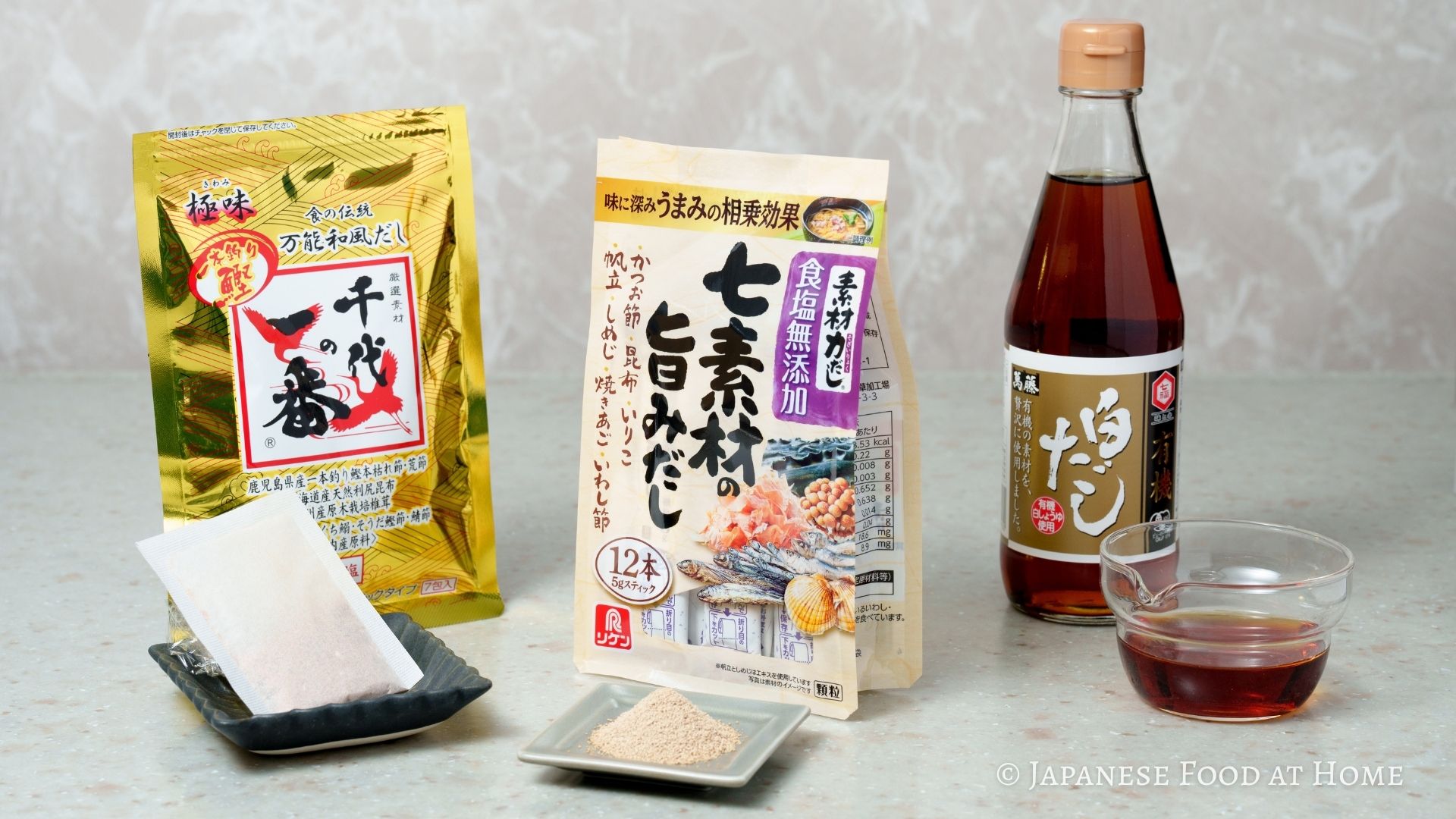
Dashi is the flavor base of miso soup. It can be made from many different ingredients, including the classic combination of bonito flakes and kombu, as well as dried tuna flakes, dried sardines, or dried flying fish. Each type of dashi brings a different aroma, depth, and character to the soup.
In many modern Japanese homes, however, making dashi from scratch is not always an everyday routine. Dashi packets and instant dashi powder are also commonly used, making it easier to prepare miso soup on busy days.
If you want to learn more about convenient ways to prepare dashi for Japanese home cooking, check out the article below.
Miso
Miso is what gives the soup its body and distinctive flavor. There are many kinds of miso, including white miso, red miso, and awase miso (合わせ味噌), which is a blend of different types of miso. The kind of miso used can vary by region, family tradition, and personal taste.
Some miso also already contains dashi. This is called dashi-iri miso (だし入り味噌), and it can make everyday miso soup very easy to prepare. With dashi-iri miso, you can often make a quick bowl of miso soup simply by dissolving the miso into hot water, without making dashi separately.
If you want to learn more about the different types of miso, check out the article below.

Ingredients
Finally, there are the ingredients. Miso soup can include a wide variety of ingredients, and this is where each family’s taste often comes through.
Some ingredients add plant-based protein, such as tofu and aburaage (油揚げ). Others add animal-based protein, such as pork, fish, or clams. Vegetables like daikon radish, eggplant, and green onions are also common, as are mushrooms such as shiitake and shimeji. Seaweeds such as wakame and aosa are also often used, adding a gentle ocean flavor to the soup.
This flexibility is what makes miso soup so easy to welcome into everyday home cooking. It does not need one fixed set of ingredients, so you can make it with ingredients that feel natural to you.
If you want to learn more about how to combine miso soup ingredients, check out the article below.

How Miso Soup Is Usually Made
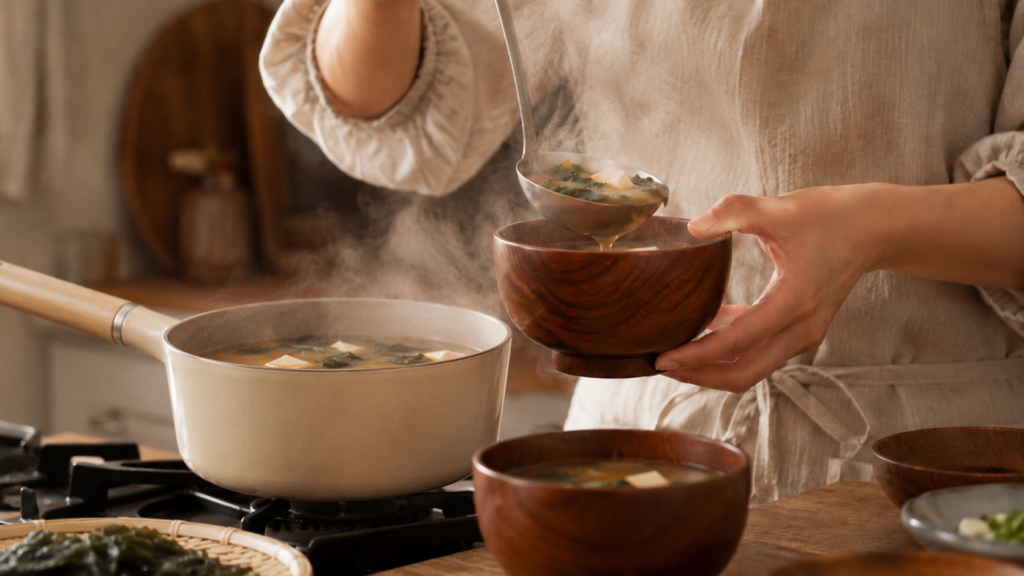
In general, miso soup is made in a very simple flow.
If you are using dashi-iri miso, which already contains dashi, water can be used instead.
As a general guide, about 200 ml of dashi per person is a good starting point.
The cooking time depends on what you put in the soup. Root vegetables need more time, while ingredients like tofu, wakame, green onions, or leafy vegetables only need to be warmed briefly.
As a general guide, for about 200 ml of dashi, start with about 2 teaspoons to 1 tablespoon of miso. The saltiness varies depending on the type of miso, so always taste and adjust as needed.
One important point is not to let the soup boil strongly after adding the miso. When miso is boiled too vigorously, its aroma can fade. For this reason, it is common to turn off the heat just before the soup comes back to a boil, then serve it warm.
In Japan’s chopstick-based dining culture, miso soup is traditionally served in a small wooden bowl and drunk directly from the bowl. Wooden bowls are lightweight, easy to hold, and gentle against the lips. These days, however, as dishwashers become more common in Japanese homes, dishwasher-safe resin bowls are also becoming more common.
What Makes Miso Soup So Beloved
Miso soup is loved not only because it is familiar, but also because it fits so naturally into everyday life.
Gentle and nourishing
In recent years, fermented foods have become increasingly popular for supporting gut health, and miso is one of the most familiar fermented foods in Japan. Miso soup is an easy way to include fermented food in everyday meals.
At the same time, miso also brings deep umami, gentle saltiness, and a comforting richness to the soup. Even with simple ingredients, a spoonful of miso can give the soup a satisfying depth of flavor.
As explained in the ingredients section above, miso soup works well with a wide range of ingredients, from plant-based and animal-based proteins to vegetables, mushrooms, and seaweed. This flexibility allows you to customize a bowl of miso soup depending on what the rest of the meal may be missing. In this way, miso soup can be a simple way to complement the meal and support its overall nutritional balance.
A taste of home
One of the most beautiful things about miso soup is that it can taste different from one family to another.
The flavor changes depending on the dashi, the miso, and the ingredients used. In particular, miso can dramatically change the flavor of the soup, so the kind of miso a family has used for years can become a key part of that family’s own taste. Seasonal ingredients can also change the taste throughout the year.
Because of this, miso soup often carries the feeling of home. Even though it is such a common dish, each bowl can feel personal.
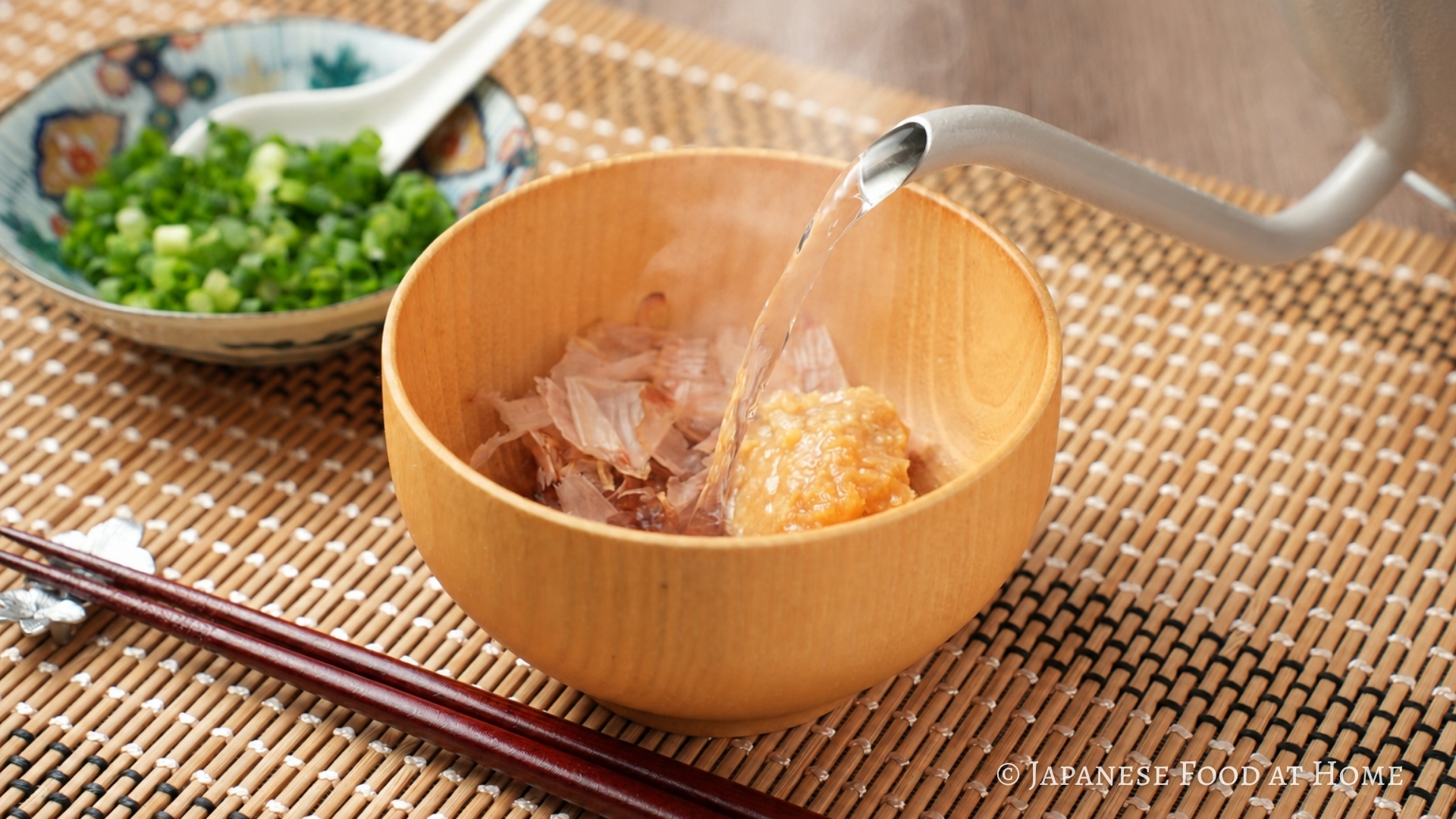
In Okinawa, there is a distinctive local style of miso soup called kachuyu, made directly in a bowl with miso, bonito flakes, and hot water. If you want to try this simple Okinawan-style miso soup, check out the recipe below.
Flexible and Sustainable
Miso soup is also very practical. Since it does not require one fixed set of ingredients, it is easy to make with small amounts of vegetables or other ingredients you already have.
A little daikon, a few mushrooms, some leafy greens, or a small piece of tofu can all become part of a bowl of miso soup. In this way, miso soup can help make good use of ingredients that might otherwise be left behind.
This is one reason it works so well as everyday home cooking. It is simple, flexible, and naturally helps reduce food waste.
Miso soup is flexible by nature, so it is also easy to personalize. With small add-ins, you can change the aroma, richness, or heat of your everyday bowl without changing the basic recipe. Check out the article below for more ideas.

Miso soup may look simple, but it carries many layers of Japanese food culture: dashi, miso, seasonal ingredients, family taste, and the quiet comfort of everyday meals.
For many Japanese people, it is not a dish that needs to be special. It is loved because it is familiar, flexible, and always easy to return to.
In the next article, we will take a closer look at miso itself, including the different types of miso and how they change the flavor of miso soup.
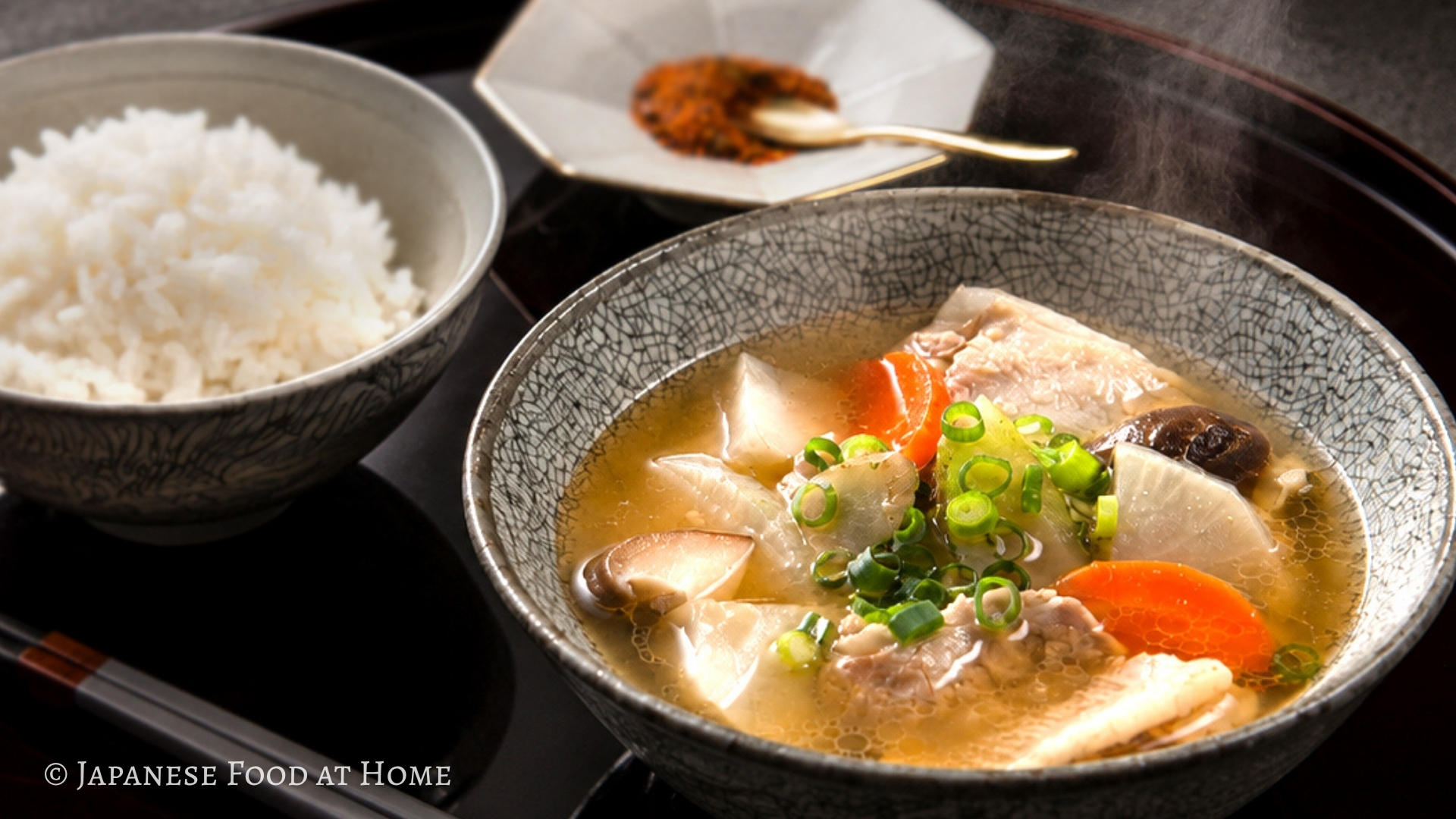
If you would like to try making miso soup at home right away, this pork miso soup recipe is a great place to start. Check out the recipe below!

-scaled.jpg)
Comments