
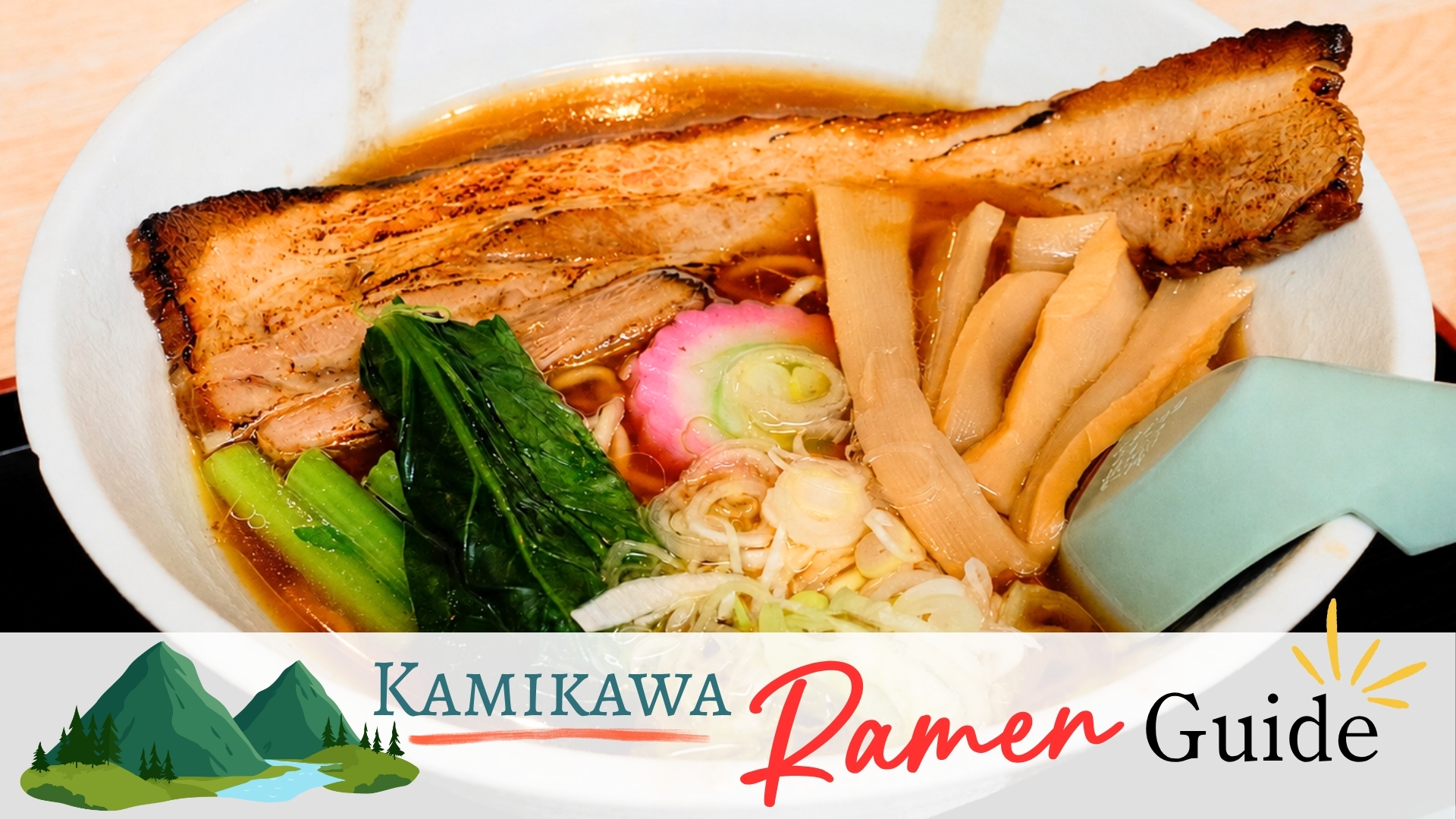
I’m currently spending two months, August and September, in Kamikawa, Hokkaido, for a work project.
Since I’m staying here for more than just a short visit, I’ve had the chance to experience some of the town’s everyday food culture and discover places that might easily be missed on a typical trip to Hokkaido.
So this time, I’d like to take you away from my kitchen for a moment and introduce you to some beloved local food spots in this part of Hokkaido: Kamikawa’s ramen shops.
Kamikawa: A Town in the Heart of Hokkaido
Located near the very center of Hokkaido, Kamikawa covers an area of just over 1,000 square kilometers (about 386 square miles), yet is home to only around 3,000 people. Much of the surrounding landscape is made up of vast forests and mountains, giving the town a strong sense of connection to nature.
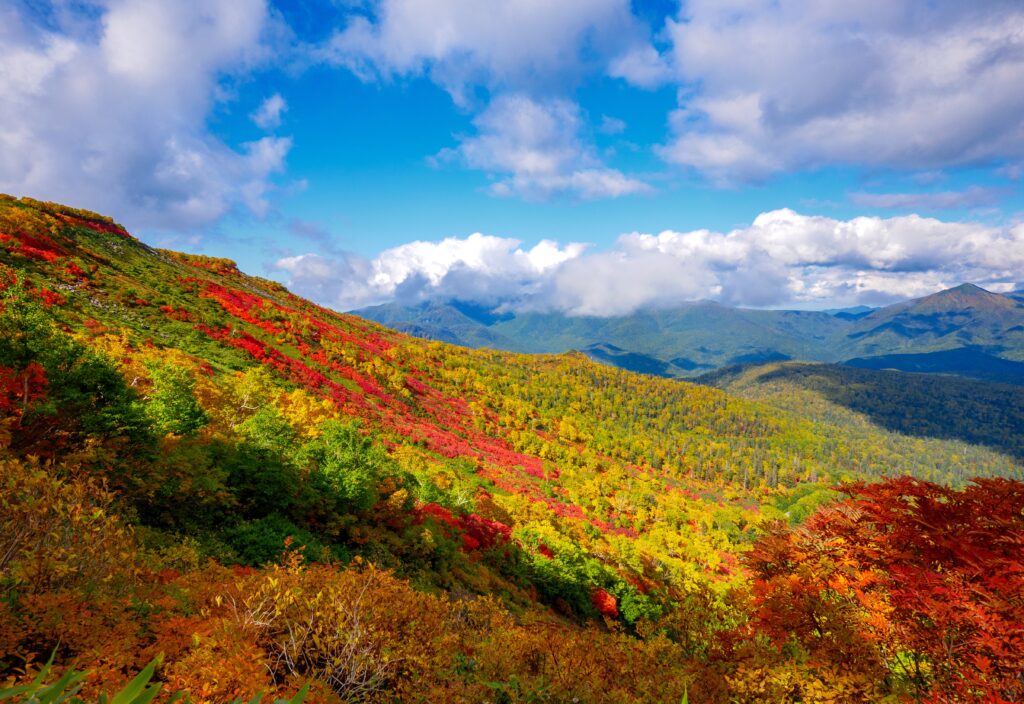
Kamikawa is also home to Sounkyo, one of Hokkaido’s best-known hot spring resorts, located within Daisetsuzan National Park. The area is especially famous for its autumn scenery and is often featured as one of the first places in Japan to welcome the fall colors. The foliage is typically at its best from around mid-September through mid-October, drawing visitors to the dramatic mountain landscape each year.
Kamikawa Ramen: Same Noodles, Different Bowls
Hokkaido is famous for ramen styles such as Sapporo ramen, but Kamikawa has its own local ramen identity: Kamikawa Ramen.
Kamikawa Ramen refers to ramen served at local shops using noodles made by Miwa Shoji, a noodle manufacturer based in the town. There are currently five shops in Kamikawa serving Kamikawa Ramen.
The noodles are the one thing these shops have in common. Everything else, from the type of soup to the overall style of each bowl, varies from place to place, which means you can enjoy a wide range of flavors while exploring Kamikawa’s ramen scene.
Please contact each restaurant directly for the most up-to-date information, as opening hours and closing days are subject to change.
Kiyoshi Shokudo (きよし食堂)
Hours: 11:00 am–2:00 pm, 5:00 pm–close
Closing time in the evening varies depending on how busy the restaurant is. If there are no customers, it may close shortly after 7:00 pm, while on busier nights it may stay open until around 8:30–9:00 pm.
Closed: Mondays
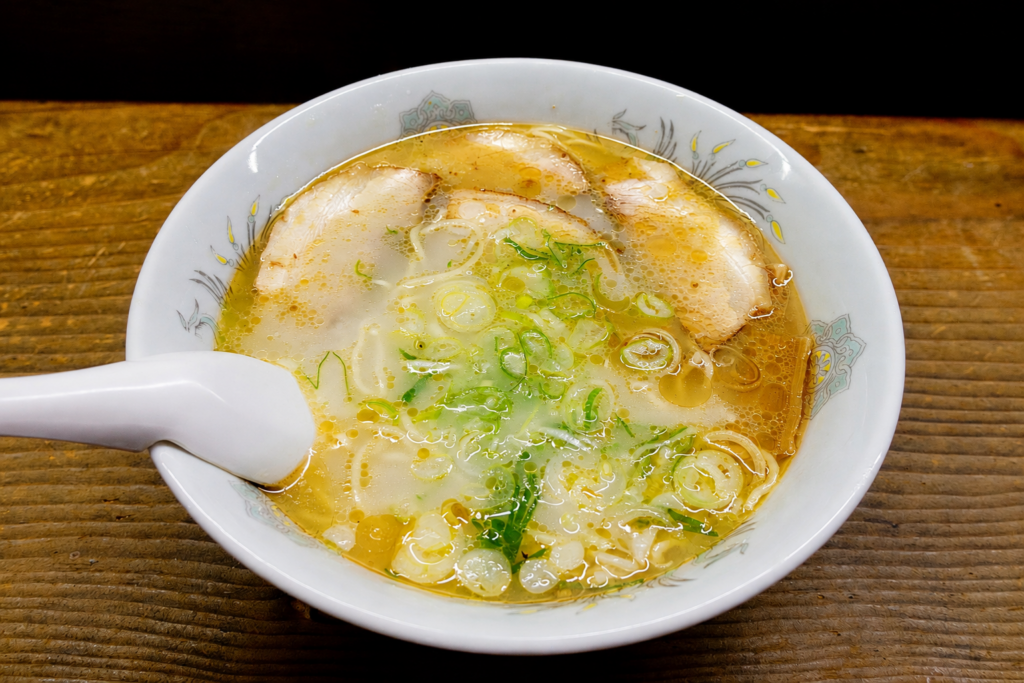
Known for: Its nostalgic atmosphere and nearly 100-year-old building. The walls are covered with handwritten notes and messages from customers, offering a glimpse of how deeply the restaurant has been loved by local residents over the years.
The 87-year-old owner serves simple, old-fashioned ramen, with the shio ramen being especially popular. Even without ordering extra toppings, each bowl comes with four slices of chashu, which is a nice bonus. The noodles tend to be cooked on the softer side, so if you prefer them with more bite, be sure to mention that when ordering.
The menu goes beyond ramen as well. In the evening, many locals also use the restaurant much like an izakaya, ordering dishes such as grilled skewers and chicken wings alongside drinks.
Nidaime Tetsujin Takahashi (二代目鉄人たかはし)
Hours: 11:00 am–2:30 pm, 5:00 pm–8:00 pm
Lunch service only on Sundays
Closed: Wednesdays
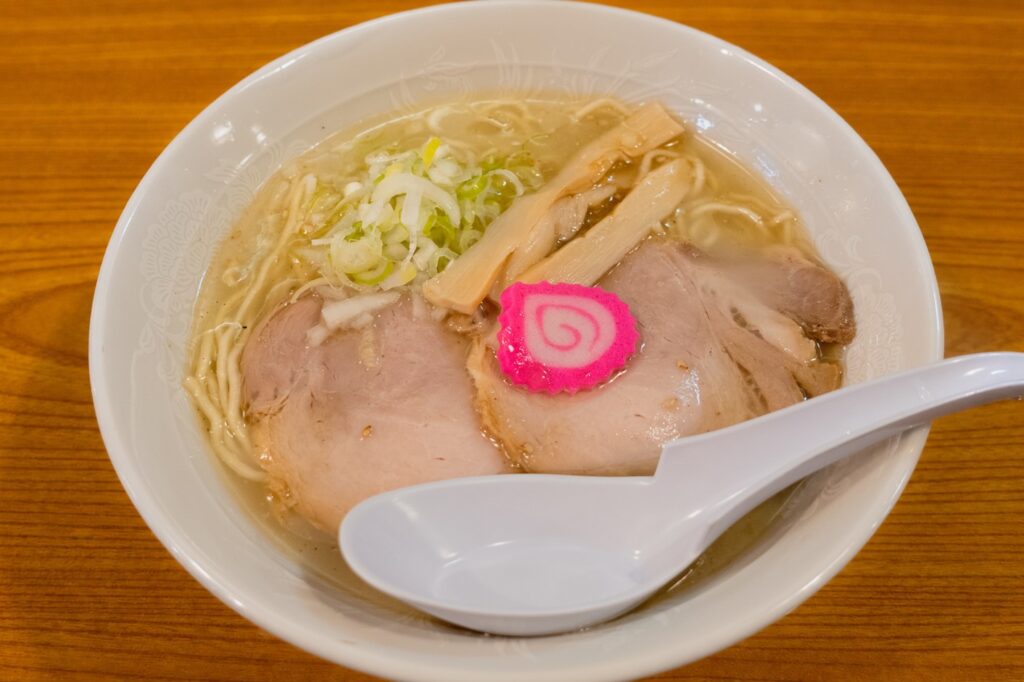
Known for: Its unusual succession story and connection to Kamikawa’s local ramen culture. A few years after the original shop, Ramen no Tetsujin Shibayama (ラーメンの鉄人しばやま), closed, Kamikawa launched a local revitalization project to find someone willing to carry the business forward. The current owner, a chef with a background in Chinese cuisine from Asahikawa, stepped forward.
With support from the town, he trained at local ramen shops including Asahi Shokudo and Oshokujidokoro Satsuki before opening the shop as Nidaime Tetsujin, or “Second-Generation Tetsujin.”
The shio ramen is one of the restaurant’s most popular choices, while the goma miso ramen, a recipe inherited from the previous owner, continues to be served today. The owner takes particular care to slice the chashu to order, so it is served fresh and moist with its delicate pale-pink color intact.
Asahi Shokudo (あさひ食堂)
Hours: 11:00 am–2:30 pm, 5:00 pm–7:30 pm
Service ends once the soup sells out.
Closed: Mondays
If Monday falls on a public holiday, the restaurant is closed the following day instead.
Known for: One of the best-known Kamikawa Ramen shops, with its ramen also available as packaged dried noodles for enjoying at home. The Toku Miso Ramen is especially popular. Tatami-style seating is also available in the back of the restaurant.
Kuidokoro Akashi (喰い処 あかし)
Hours: 11:00 am–2:00 pm, 5:00 pm–8:00 pm
Closed: Sundays (may be open during the Obon holiday period)
Known for: A wide-ranging menu that goes well beyond ramen, including soba, udon, curry, tempura, and oyakodon.
Oshokujidokoro Satsuki (お食事処 さつき)
Hours: 11:00 am–2:00 pm, 5:30 pm–7:00 pm
Closed: Tuesdays
Known for: A menu centered around ramen, with other options such as curry, rice bowls, and fried rice. Minshuku Satsukiso, a small Japanese-style inn, is located right next door.
My Favorite Bowls in Kamikawa
During my stay in Kamikawa, I’ve enjoyed quite a few bowls of ramen. Out of all of them, I picked three that really stood out to me—the ones I’d happily go back for again.
Toku Miso Ramen at Asahi Shokudo
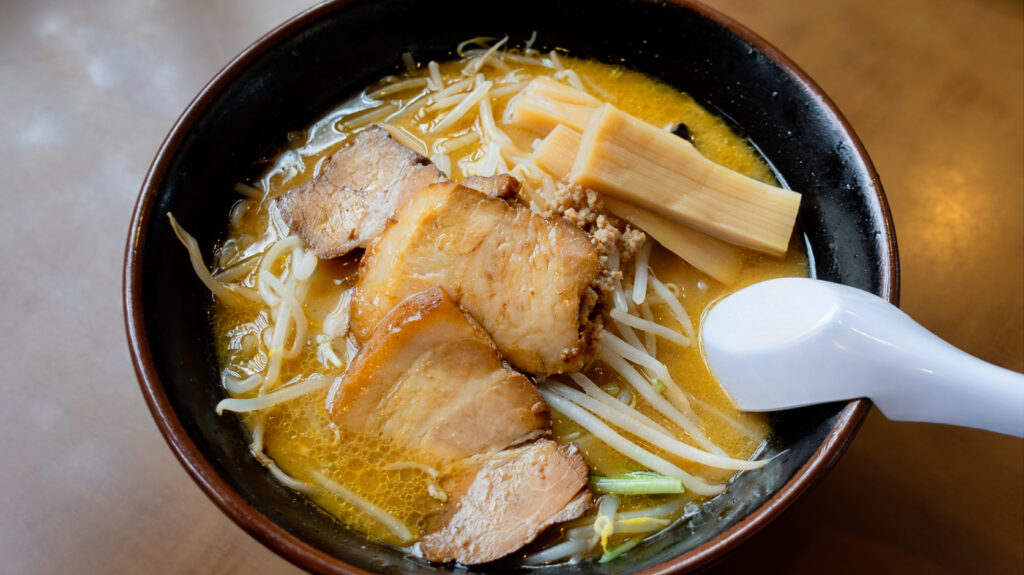
Asahi Shokudo is one of the best-known Kamikawa Ramen shops, and this is its most popular bowl. One sip of the soup is enough to understand why. The miso broth has a gentle sweetness and plenty of depth, and from that very first taste, I knew this ramen was going to be good.
The menma is thick and has a pleasant bite, while the chashu is nicely thick but stays tender, with especially delicious, melt-in-your-mouth fatty parts. Minced pork and bean sprouts add even more substance to the bowl, making it incredibly satisfying without ever feeling too heavy.
It is the kind of ramen that seems almost impossible not to like—a bowl that still reigns supreme in Kamikawa. If you leave Kamikawa without trying this bowl, I genuinely think you’ll regret it.
Ajibuta Ramen at Kuidokoro Akashi
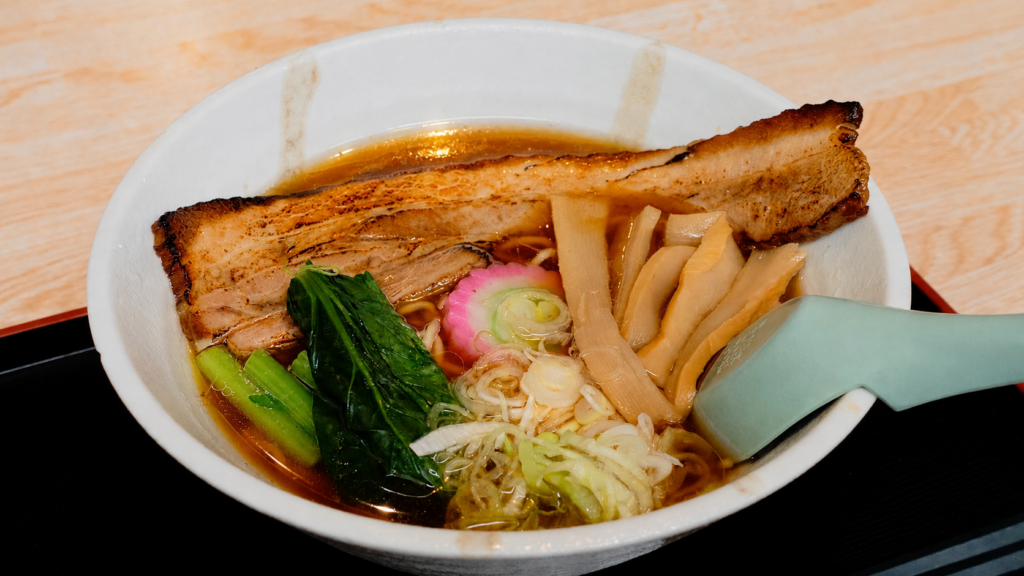
The soy sauce-based broth is light and clean, yet still has plenty of depth. It is approachable and well balanced, making it a good choice even for those who are not fond of strongly fishy or rich tonkotsu-style aromas.
The pork is a large, thick slice of belly with just the right amount of bite. Lightly charred until fragrant, it has an impressive presence in the bowl.
What makes this ramen even more surprising is that Kuidokoro Akashi is not a ramen specialty shop, but a casual local restaurant with a wide-ranging menu. The quality of this bowl could easily make you forget that ramen is just one of many dishes served here. It has a comforting, nostalgic flavor—the kind of ramen you could happily come back to again and again as part of everyday life.
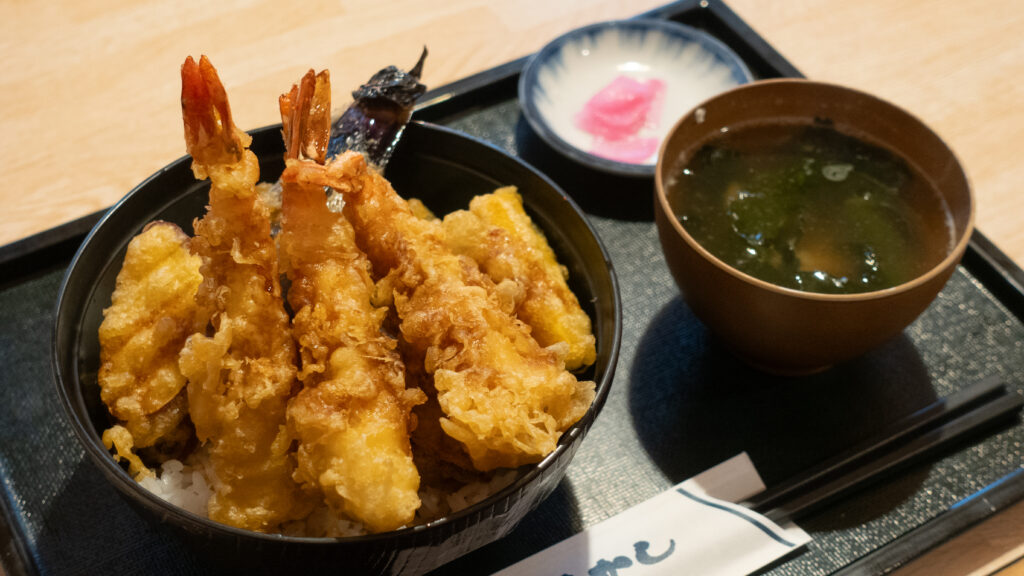
The tempura rice bowls and other dishes are also delicious, so don’t stop at ramen if you have the chance to visit.
Ore no Kunsei Shoyu Ramen at Oshokujidokoro Satsuki
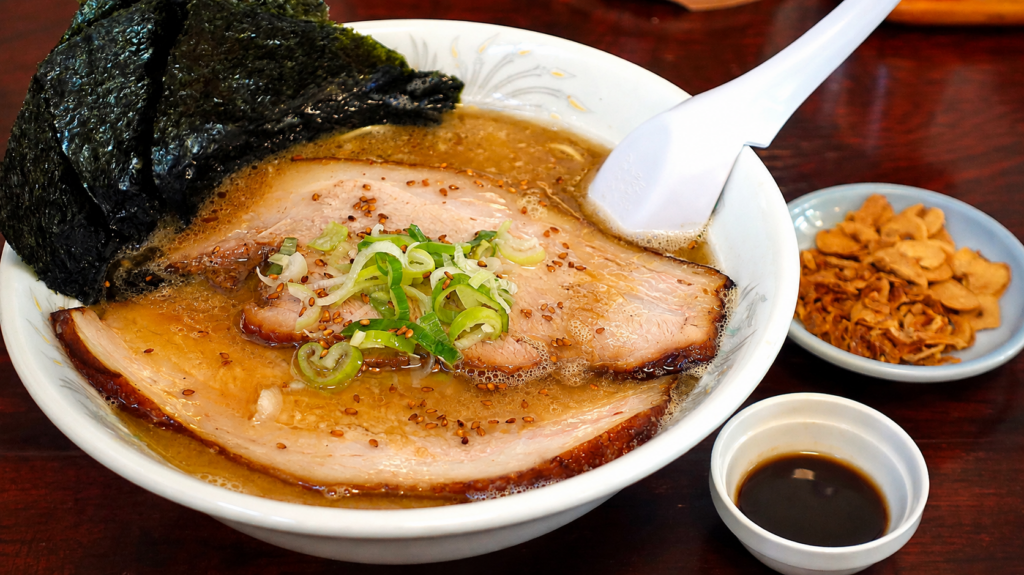
A rich soy sauce broth infused with a smoky aroma is topped with two large slices of smoked pork thigh chashu. Fried garlic, fried onions, and mayu (black garlic oil) are served on the side, so you can add them to taste for an even bolder, more intense flavor. It is definitely on the heavier side and may not be for everyone, but if you enjoy rich ramen, this bowl is packed with umami.
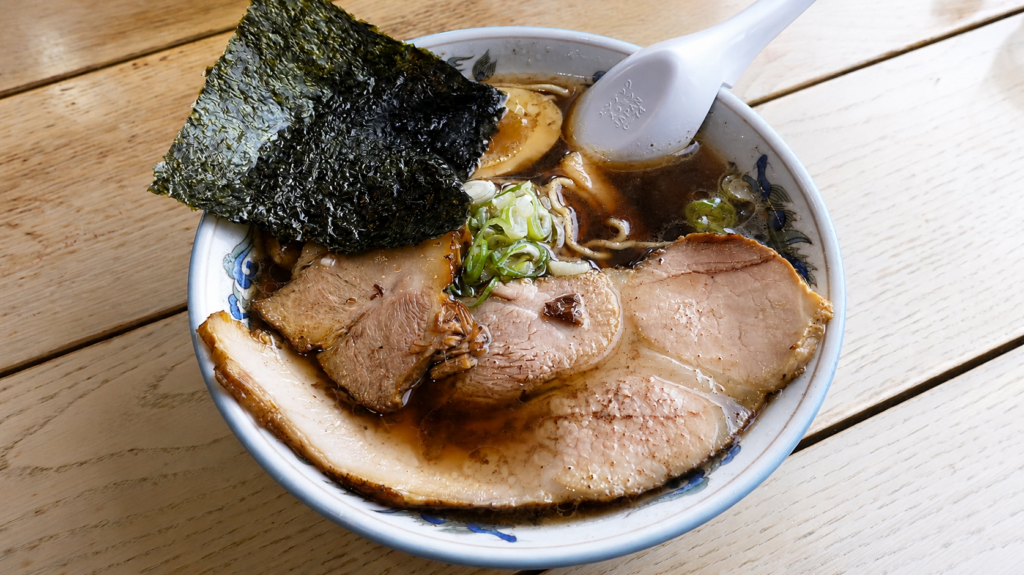
If you prefer something a little lighter, try the Kuroshio Ramen instead. Despite being a salt-based ramen, its broth has a distinctive dark color from aged black garlic. It comes with two different styles of chashu: a large, tender slice of pork thigh and a richly flavored pork shoulder loin with deliciously fatty edges.
More Than Just a Bowl of Ramen
Ramen for Everyday Life
Kamikawa lies along major transportation routes through central Hokkaido, making it a convenient stop for truck drivers, salespeople, and other travelers on the road.
That may be one reason ramen here feels less like a tourist attraction and more like part of everyday life. These are not simply bowls created for visitors—they are the kind of meals people stop for during a workday, between destinations, or as part of their regular routine.
In Kamikawa, ramen feels deeply woven into the rhythm of daily life.
A Food Culture Worth Passing On
Like many rural communities in Japan, Kamikawa is also facing the challenges of an aging population and finding people to carry local businesses into the next generation. The number of shops serving Kamikawa Ramen has gradually declined over the years.
So if you have the chance to visit, don’t assume these places will always be there waiting for “next time.” Stop in, enjoy a bowl, and experience this local food culture while you can. Hopefully, that can play a small part in helping Kamikawa’s local ramen culture continue into the future.
Bring Kamikawa Ramen Home
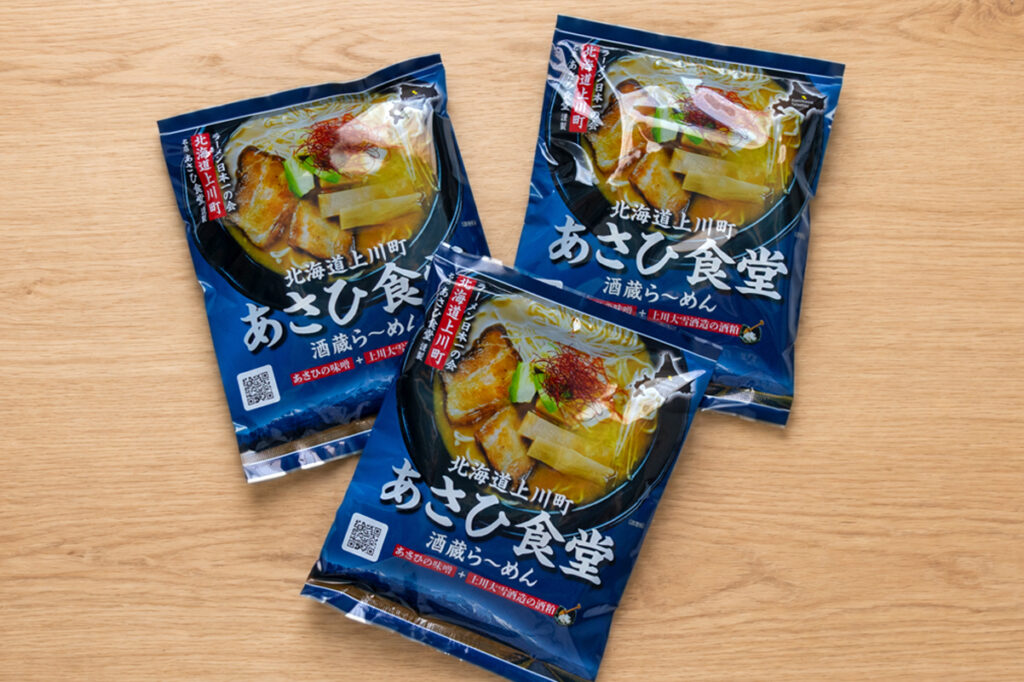
Miwa Shoji, the local noodle manufacturer that produces the noodles used for Kamikawa Ramen, also sells dried noodle products directly to consumers.
If you’d like to enjoy a taste of Kamikawa Ramen at home, it’s well worth stopping by. Their packaged noodles also make a popular local souvenir, so you can take a little piece of Kamikawa’s ramen culture home with you.
Miwa Shoji (三輪商事)
Hours: 9:00 am–5:00 pm
I was told at Miwa Shoji that they begin producing noodles for local restaurants early in the morning, so visitors are also welcome to stop by before 9:00 am.
Closed: Sundays

I ate my way through Kamikawa to put this guide together—now it’s your turn to find your favorite bowl!
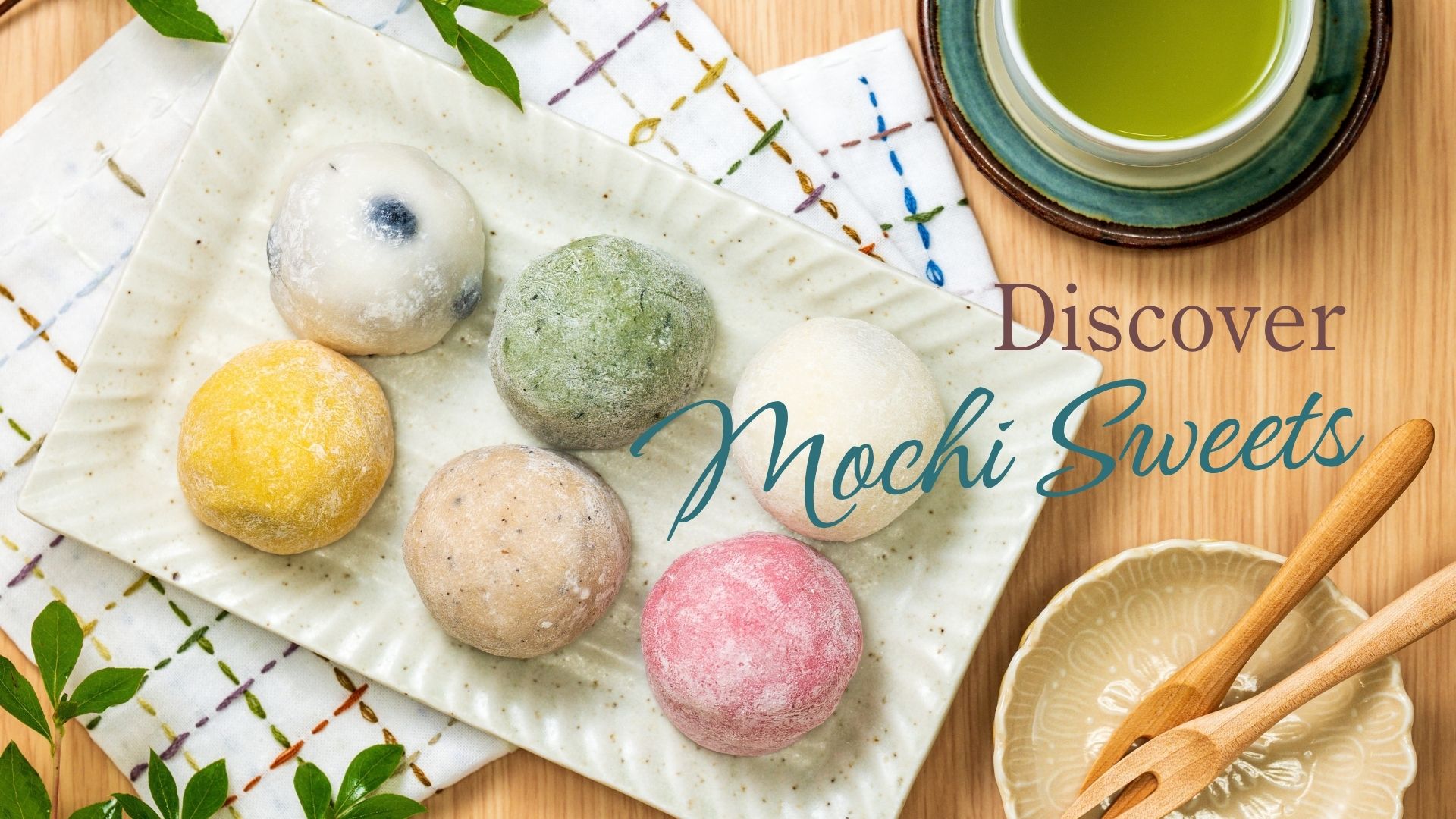
Looking for more local food in Kamikawa? Discover the town’s mochi sweets, made with locally grown mochi rice and other regional ingredients.

Comments