
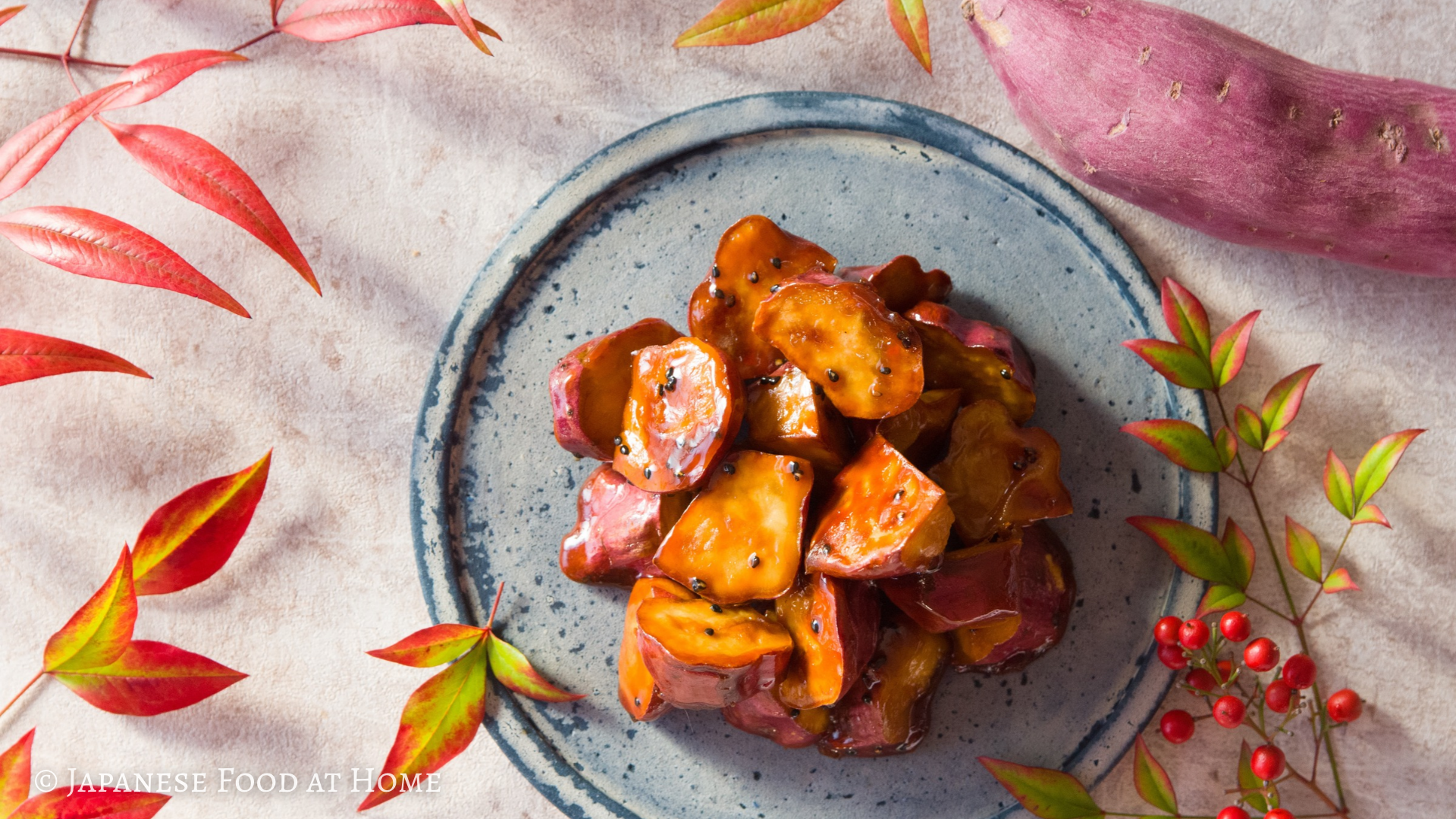
When autumn arrives in Japan, sweet potatoes, chestnuts, and pumpkins take center stage in seasonal sweets.
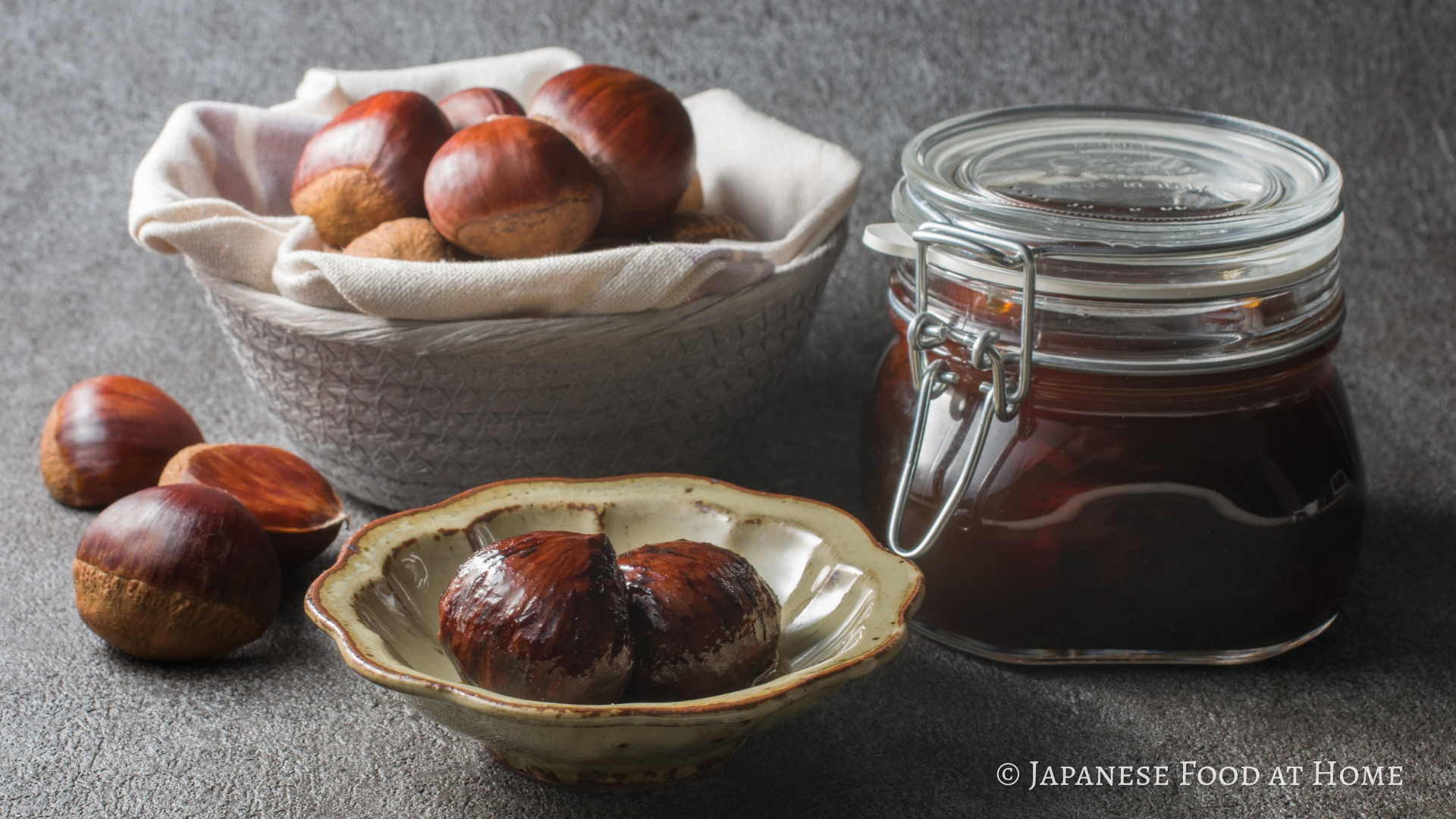
Following my previous recipe for shibukawa-ni, Japanese sweet-simmered chestnuts, this time I’m introducing another traditional autumn treat: daigaku imo, made with sweet potatoes.
And the good news? It’s much easier to make than shibukawa-ni!😆
What Is Daigaku Imo?
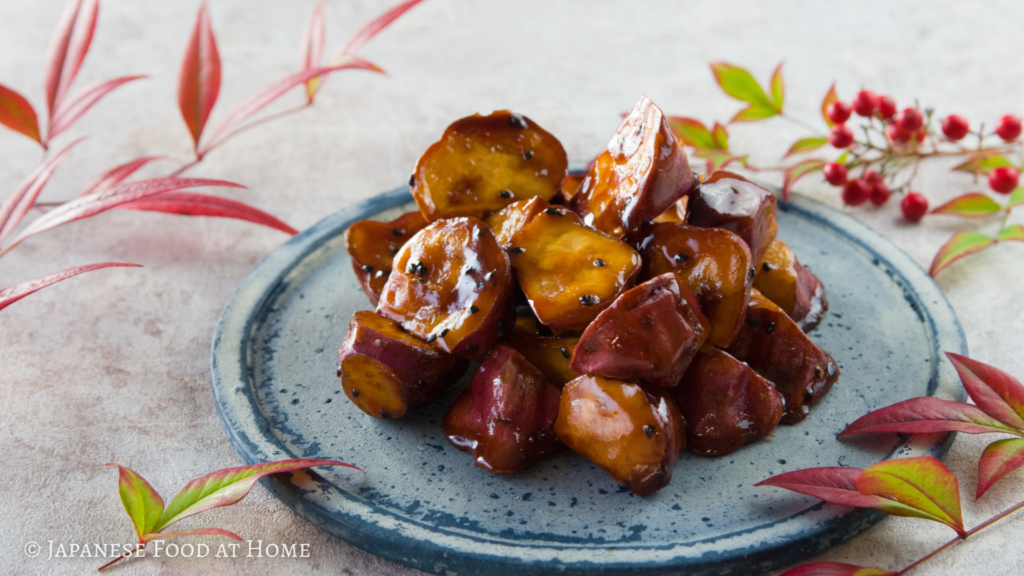
Daigaku imo is a traditional Japanese snack made by deep-frying pieces of sweet potato and coating them in a sweet, glossy syrup. Black sesame seeds are often sprinkled on top. When the syrup sets into a thin, candy-like coating, the outside becomes crisp and caramelized, while the inside stays soft and fluffy.
Easy to make at home and satisfyingly filling, daigaku imo has long been a popular autumn snack in Japan.
Its name literally means “university potatoes,” and there are several theories about how it came to be. One says that the snack became popular among university students in Tokyo’s student districts. Another claims that students at the University of Tokyo sold daigaku imo to help pay their tuition.
Whatever its exact origin, the unusual name has stuck, and daigaku imo remains a familiar sweet potato treat in Japan today.
How to Make Daigaku Imo
Ingredients for 2–3 Servings
300 g sweet potatoes
45 g sugar
30 g mirin
1/2 tsp soy sauce
Roasted black sesame seeds, to sprinkle
Neutral oil, as needed
Ingredient Tips
- You can use any type of sugar you like, but I recommend light brown sugar rather than caster sugar or granulated sugar, as its lower level of refinement gives it a deeper flavor.
- Using mirin along with sugar adds more depth and complexity to the sweetness. Want to know more about mirin and how it works in Japanese cooking? Check out the guide below.

Preparation
- Wash the sweet potatoes thoroughly, leaving the skin on, then cut them into bite-sized rangiri pieces and soak them in water.
- Drain them, then arrange them in a single layer in a microwave-safe container lined with a paper towel. Microwave uncovered at 600 W for about 2 minutes 30 seconds.
- Remove from the microwave and let them cool slightly, allowing the steam to escape.
Instructions
Heat the oil in a pot to 170°C (340°F). Add the sweet potatoes and fry until golden brown. Remove from the oil and drain well.
Add the sugar and mirin to a deep frying pan and cook over medium heat. Once the mixture begins to thicken, add the soy sauce. Swirl the pan to distribute it evenly, then turn off the heat.
Add the fried sweet potatoes to the syrup and gently toss with a silicone spatula until evenly coated.
Return the pan to the heat and continue stirring until the syrup caramelizes to your preferred color.
Sprinkle the black sesame seeds over the sweet potatoes.
Quickly spread them out on parchment paper, separating the pieces as much as possible so they do not stick together. Let cool slightly before serving.
Cooking Tips
- Why microwave the sweet potatoes before frying?
This process helps remove some excess moisture, which not only shortens the frying time but also gives the inside a fluffier, more tender texture. - How do I make daigaku imo with a crisp, candy-like coating?
If you want a crisp, candy-like coating, caramelize the syrup well in Step 3 and continue cooking until you can smell the savory, toasted aroma of the soy sauce. If you prefer less bitterness, stop cooking a little earlier. The result will be sweeter, with a softer, more syrupy coating. - Why don’t the black sesame seeds stick?
Once the syrup starts to set, the surface becomes less sticky, making it harder for the sesame seeds to adhere. Sprinkle them over the sweet potatoes while everything is still hot in the pan, before transferring them to the parchment paper.

Crisp or syrupy, daigaku imo is delicious either way. Make it just the way you like it!





Comments