
Following my previous guide to Kamikawa ramen, I’m continuing my exploration of local Japanese food spots I discovered during my stay in Kamikawa, Hokkaido.
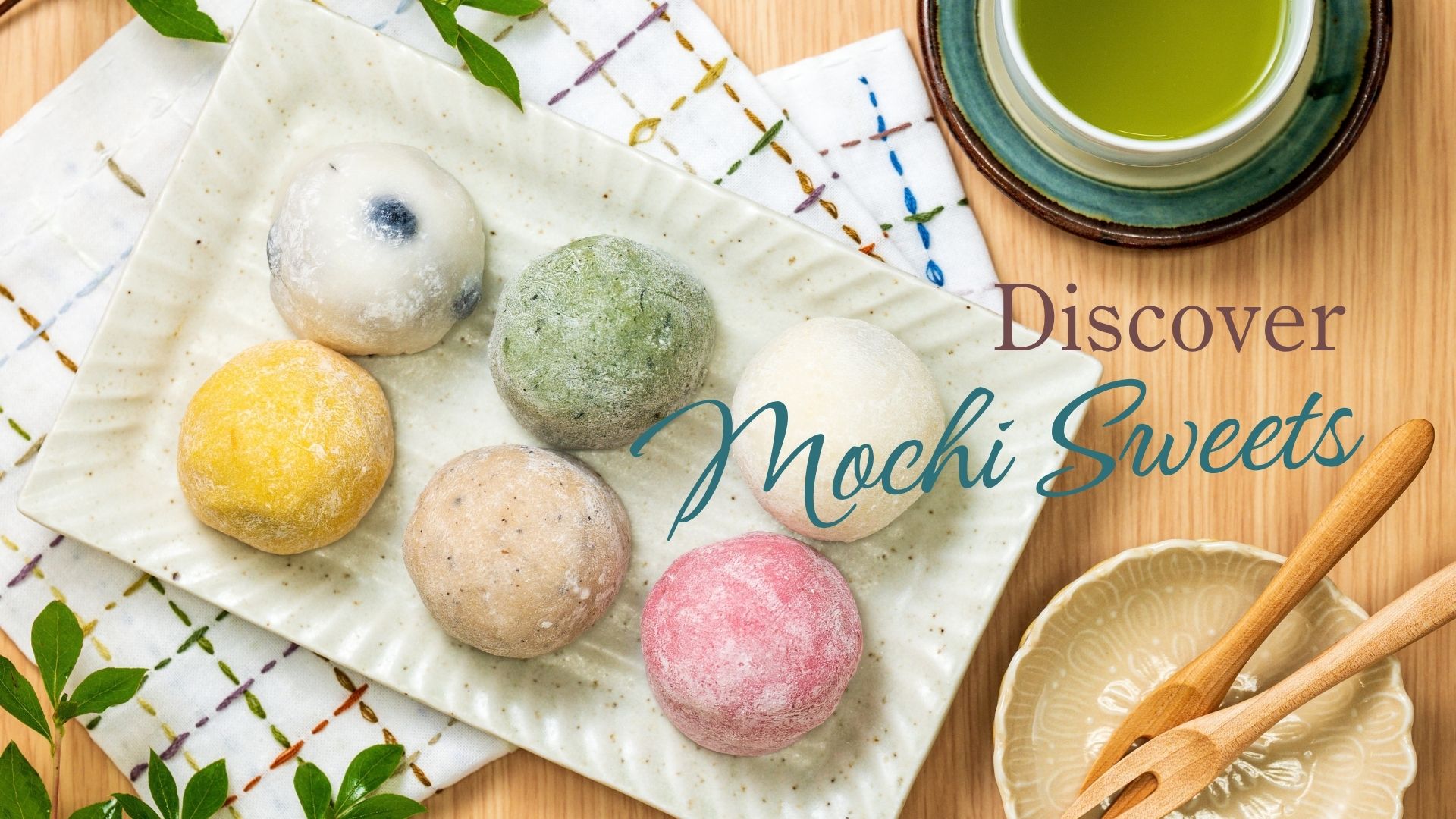
This time, the focus is on mochi sweets.
Mochi is enjoyed throughout Japan in many different forms, but in Kamikawa, mochi has a particularly strong connection to the local food culture, thanks to the town’s long history of mochi rice cultivation.
In this guide, I’ll introduce some of Kamikawa’s signature mochi sweets that have been shaped by this long-standing tradition.
How Mochi Rice Took Root in Kamikawa
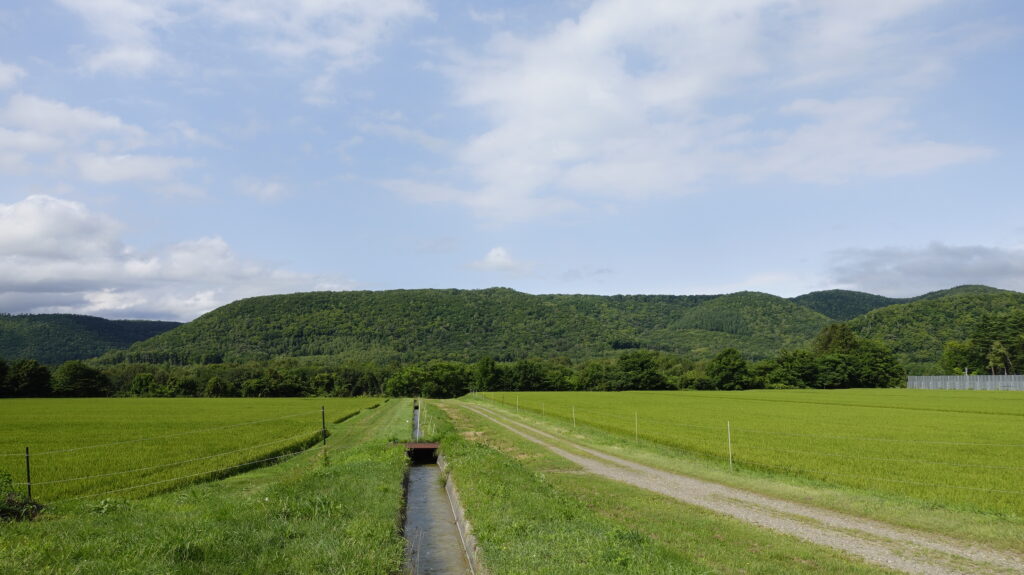
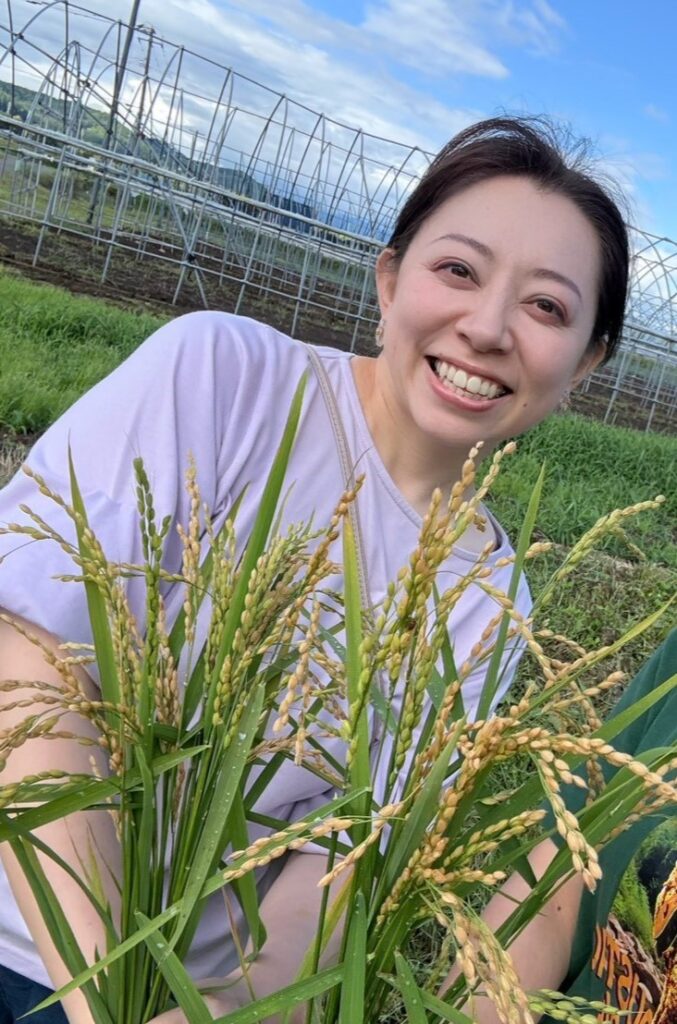
in Kamikawa.
Hokkaido’s climate has gradually become warmer in recent years, partly due to climate change, but historically, the region’s cool temperatures made rice cultivation challenging, especially for the non-glutinous rice commonly eaten as everyday table rice.
In areas like Kamikawa, early-maturing and cold-tolerant varieties of glutinous rice proved better suited to the local climate. Over time, mochi rice cultivation became deeply rooted in the area and developed into an important part of the local agricultural culture.
Even today, Kamikawa remains known for its mochi rice production, and this long-standing tradition lives on in the locally made mochi sweets found in town.
Where to Find Mochi Sweets in Kamikawa
So, what does that tradition taste like today? In Kamikawa, you can find both classic mochi sweets and more creative variations that make use of local ingredients. Here are two local shops where you can experience that tradition for yourself.
Please contact each shop directly for the most up-to-date information, as opening hours and closing days are subject to change.
Mochigoya Mam (もちごやマム)
Hours: 10:00 am–4:00 pm
From November to March, the shop opens at 11:00 am.
Closed: Tuesdays and Wednesdays
Please check the shop’s Instagram calendar for the latest schedule.
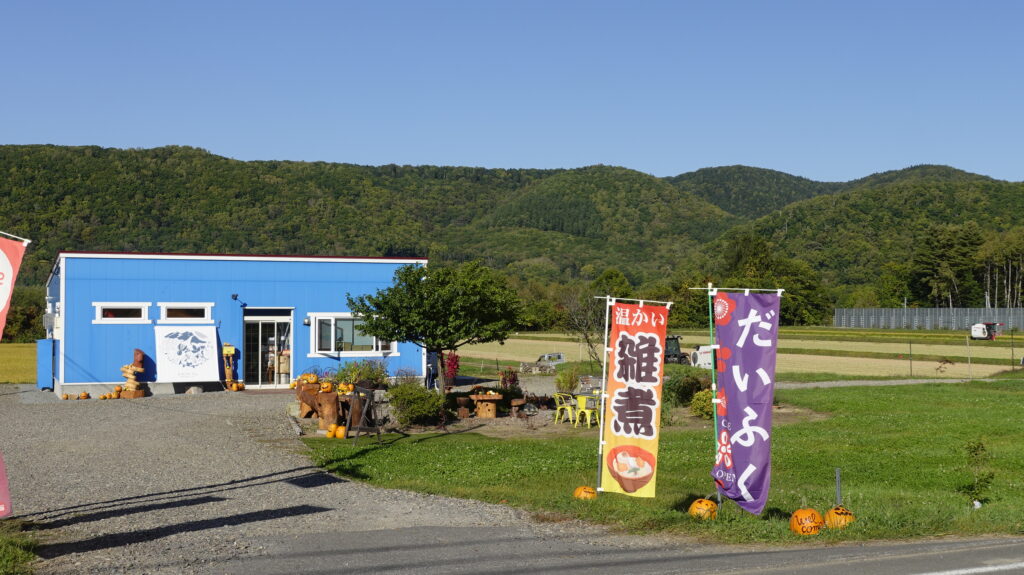
As you drive from central Kamikawa toward the Daisetsuzan mountain range, a bright blue building comes into view amid the open farmland. This is Mochigoya Mam, a café run by Tatsumi Farm, which grows mochi rice and soybeans in Kamikawa.
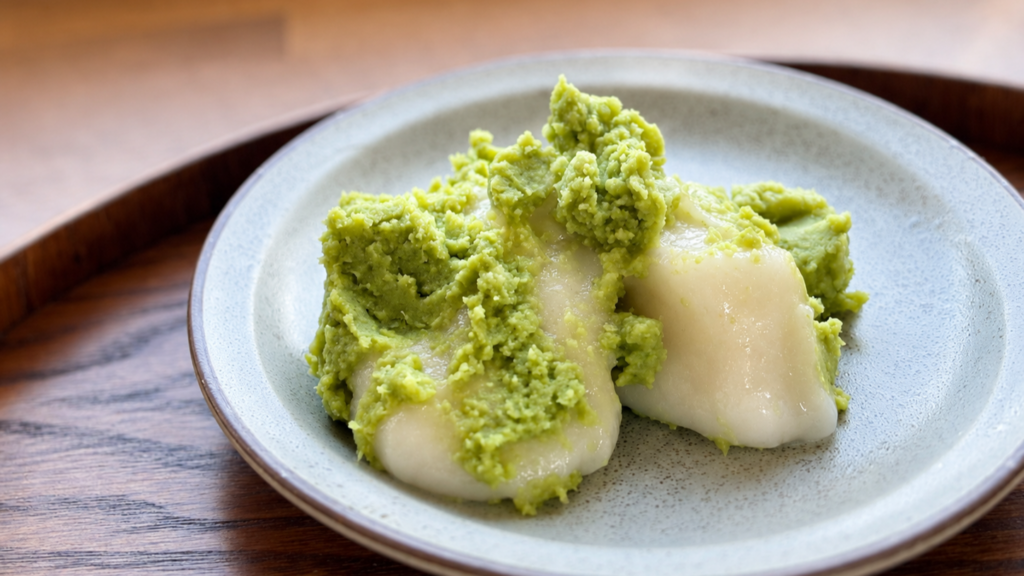
The café makes a variety of mochi sweets using locally grown mochi rice, but my personal favorite is zunda mochi.
Zunda mochi is a traditional Japanese sweet made by topping mochi with a sweetened paste of mashed edamame. Since edamame is rarely eaten sweet outside Japan, the idea may sound unusual at first. At Mochigoya Mam, however, the sweetness is kept subtle, with just a touch of salt to bring out the fresh flavor of the locally grown edamame. The result is a uniquely Kamikawa-style treat that lets the natural taste of the beans really shine.
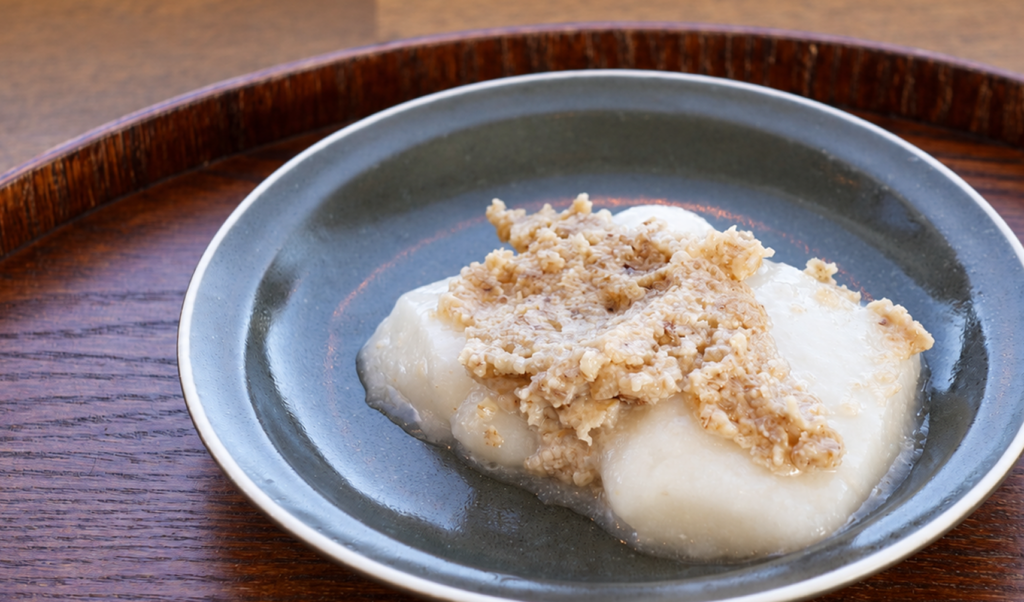
If sweetened beans are not your thing, try the kurumi-dare mochi instead. Inspired by a style popular in Iwate Prefecture, this sweet-and-savory mochi is served with a rich walnut sauce, offering a pleasantly nutty flavor and texture.
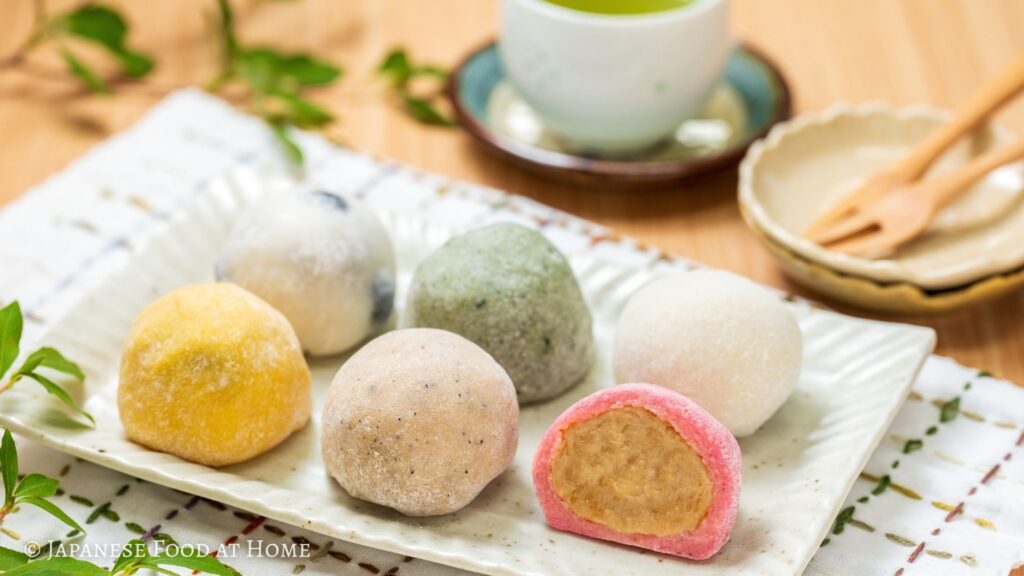
For gifts, the colorful assortment of daifuku is a great choice. Each one is handmade in the café, with classics such as mame daifuku and yomogi daifuku, alongside more original varieties such as Soy Coffee Daifuku and Beet Daifuku, both filled with Mochigoya Mam’s own soybean paste.
The daifuku are flash-frozen soon after they are made, so you can thaw them whenever you like and enjoy their freshly made texture and flavor at your own pace.
Himeya Seipan Kashiho (ひめや製パン菓子舗)
Hours: 8:30 am–5:30 pm
Closed: Sundays and national holidays
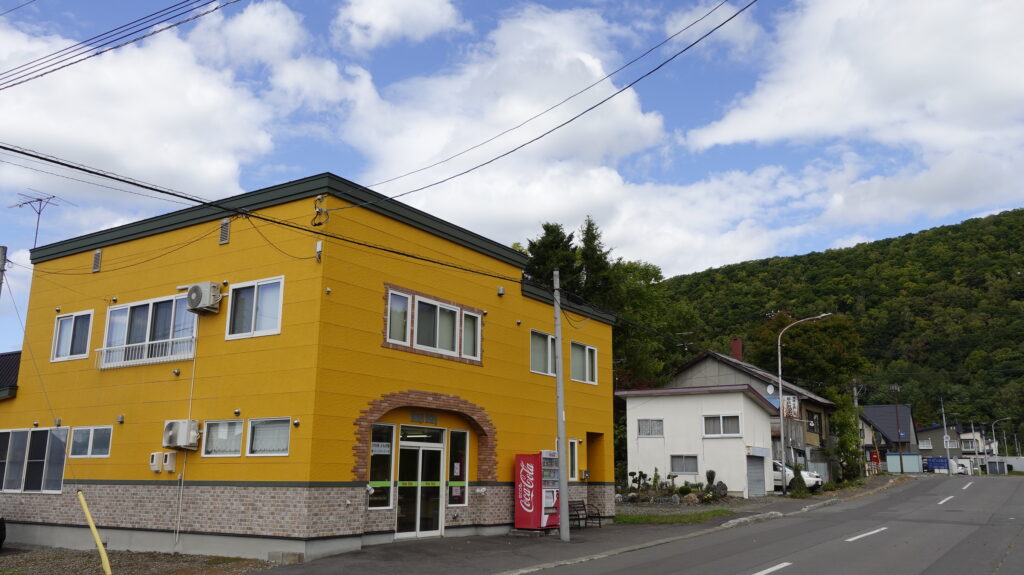
Near Kamikawa Elementary School stands a cheerful yellow building: Himeya Seipan Kashiho. The word seipan in its name refers to bread-making, reflecting the shop’s origins as a bakery before it later expanded into Western-style and traditional Japanese sweets. Its breads have also been a familiar part of school lunches in Kamikawa for generations.
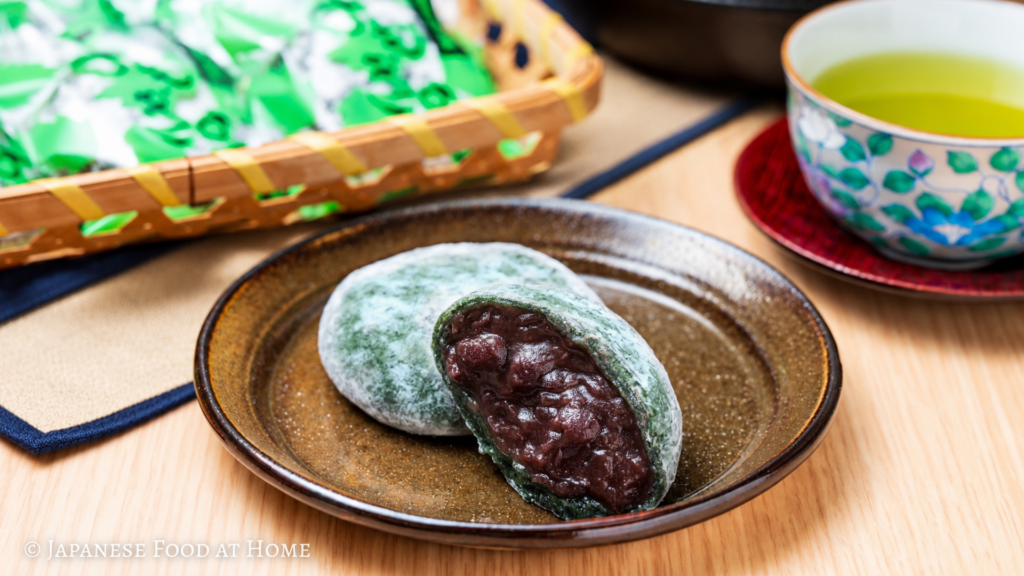
Today, one of Himeya’s signature sweets is Yomogi no Sato. Made with mochi rice grown in Kamikawa and generously mixed with locally harvested yomogi (Japanese mugwort), it is especially loved for its fresh, grassy aroma.
The mochi has a pleasantly firm, chewy texture, with plenty of yomogi fibers running through it, making it a satisfying and rustic treat. Because it often sells out, visiting in the morning is your best bet.
Made using a traditional method and without preservatives, Yomogi no Sato tends to firm up as time passes, so it is best enjoyed on the day of purchase. If you would like to keep it longer, the shop recommends freezing it.
Made with Pride in Kamikawa
Mochi sweets are made throughout Japan, but in Kamikawa, they are closely tied to the land. Beyond the mochi rice, these sweets also make use of other locally grown ingredients, showing how much local makers care about and take pride in what their hometown produces. That sense of pride is what makes their sweets feel truly rooted in Kamikawa.

Together, they offer more than just a sweet treat — they are a small taste of Kamikawa itself.
Comments