
Spring and autumn are the best seasons to explore pottery fairs in Japan, and one of the most exciting destinations is Mashiko, a pottery town in Tochigi Prefecture. Home to one of the largest pottery fairs within day-trip distance of Tokyo, Mashiko attracts visitors from across Japan who come in search of beautiful ceramics and unique handmade pieces.
I visited the Mashiko Autumn Pottery Fair in November 2026 to explore the town, discover the works of local ceramic artists, and find some new tableware for my own collection.
In this article, I’ll share my experience at the fair, introduce the shops and artists whose work caught my eye, and offer practical tips for planning your own visit.
Interested in pottery fairs beyond Mashiko? Explore my calendar of upcoming pottery and craft fairs across Japan!
About Mashiko and Its Pottery
Mashiko is a small town in Tochigi Prefecture, about 100 km north of Tokyo, known as one of Japan’s major pottery-producing regions.
The History of Mashiko Ware
established in 1861.
the largest still in operation in Mashiko.
The history of Mashiko ware (益子焼) dates back to 1853, when Keizaburo Otsuka, a potter who had trained in nearby Kasama, established a kiln in the area. Blessed with abundant clay deposits and relatively close to the large market of Tokyo, Mashiko developed as a center for producing everyday pottery.
In 1924, renowned potter Shoji Hamada moved to Mashiko and became a leading figure in the Japanese mingei (folk craft) movement, which celebrated the beauty of everyday handmade objects. His influence helped establish Mashiko ware’s reputation for simple, functional pottery with a warm, rustic character.
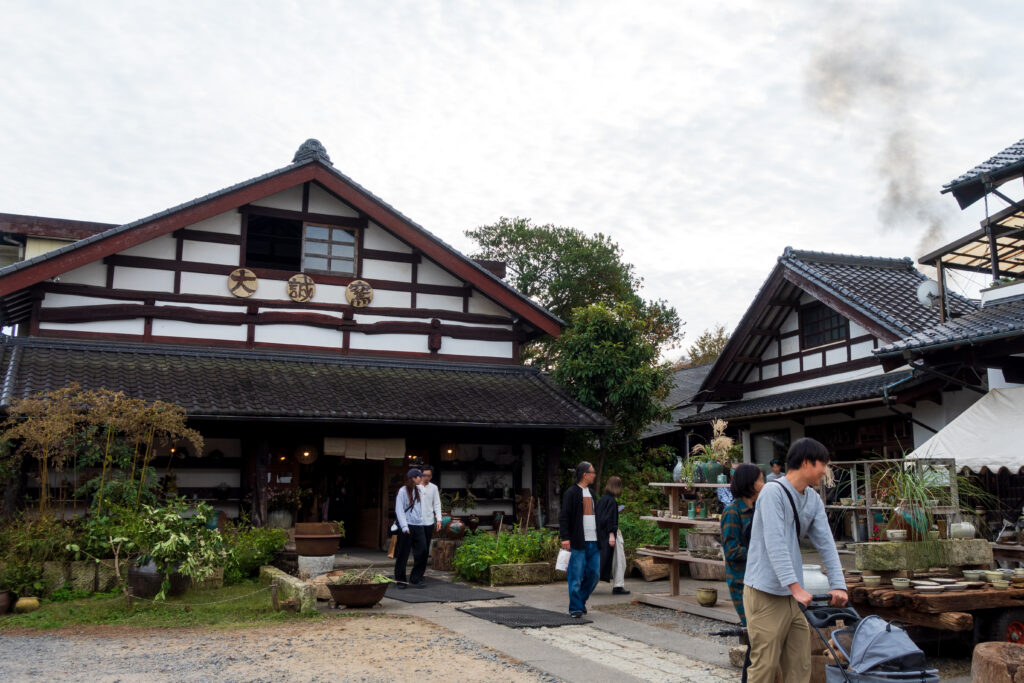
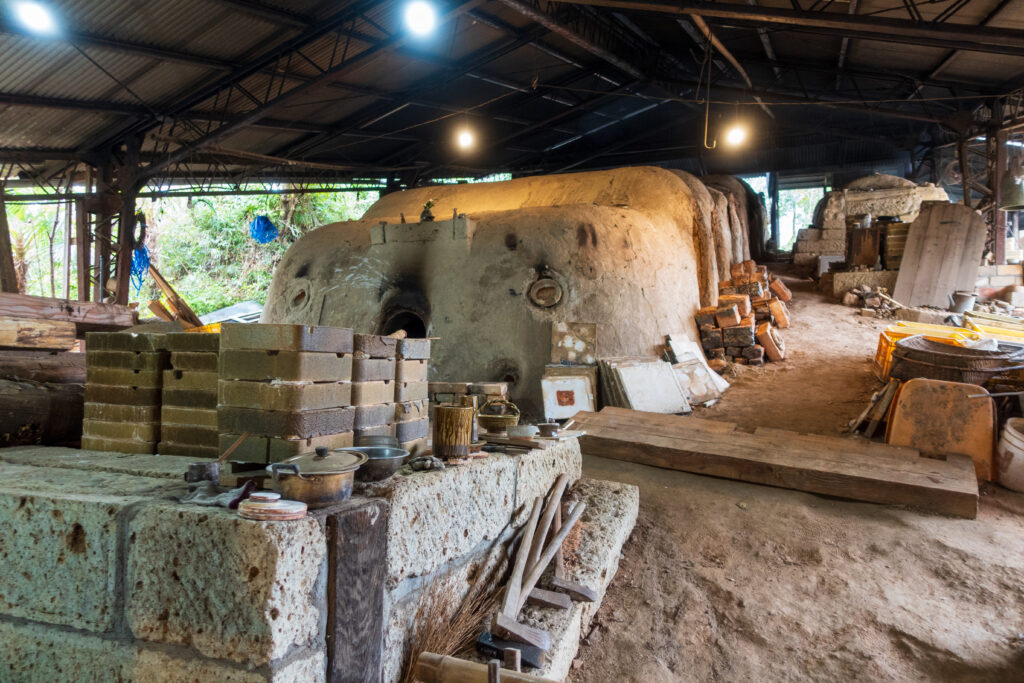
The climbing kiln once used by Shoji Hamada is still preserved as a designated cultural property of Mashiko Town, and special events are held to fire it again. Meanwhile, Daiseigama, a historic pottery studio established in 1861, continues to use a traditional wood-fired noborigama (climbing kiln)—the largest still in operation in Mashiko.
Today, the town is home to numerous ceramic artists whose work ranges from traditional designs to innovative contemporary styles.
An Overview of the Mashiko Pottery Fair
The Mashiko Pottery Fair began in 1966 and is held twice a year: in late April or early May during Japan’s Golden Week holidays, and around November 3 in autumn. It is one of Japan’s largest pottery fairs, with approximately 50 permanent shops and 800 tented stalls spread throughout the town. Visitors can browse an enormous variety of ceramics, from everyday tableware to artistic pieces, and often meet the potters and artists behind the work.
Exploring the Mashiko Pottery Fair
The Atmosphere and What You’ll Find
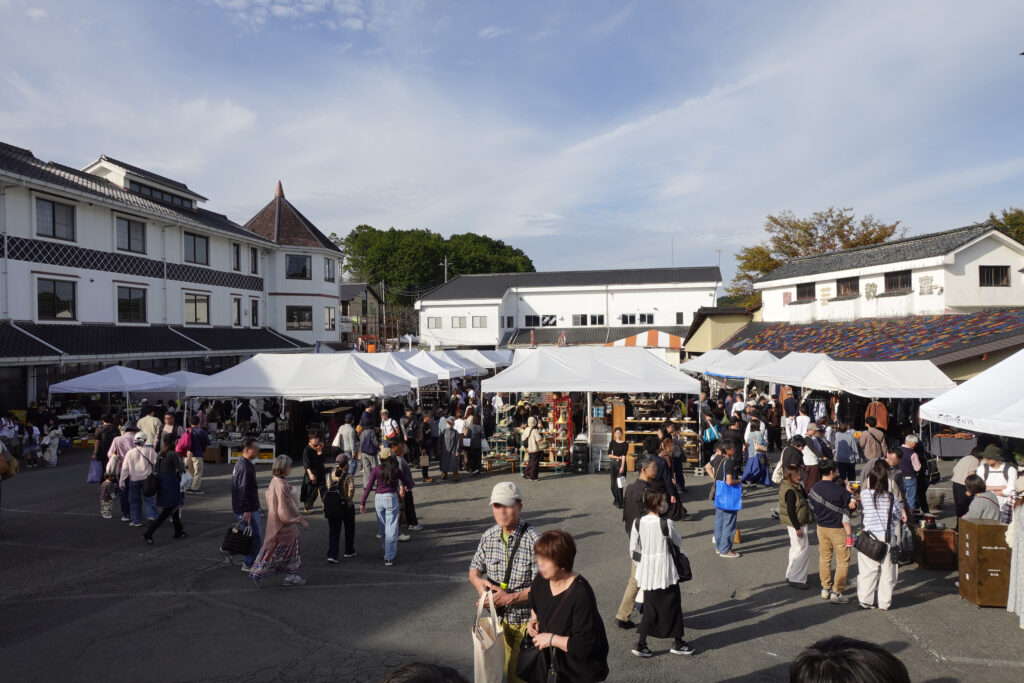
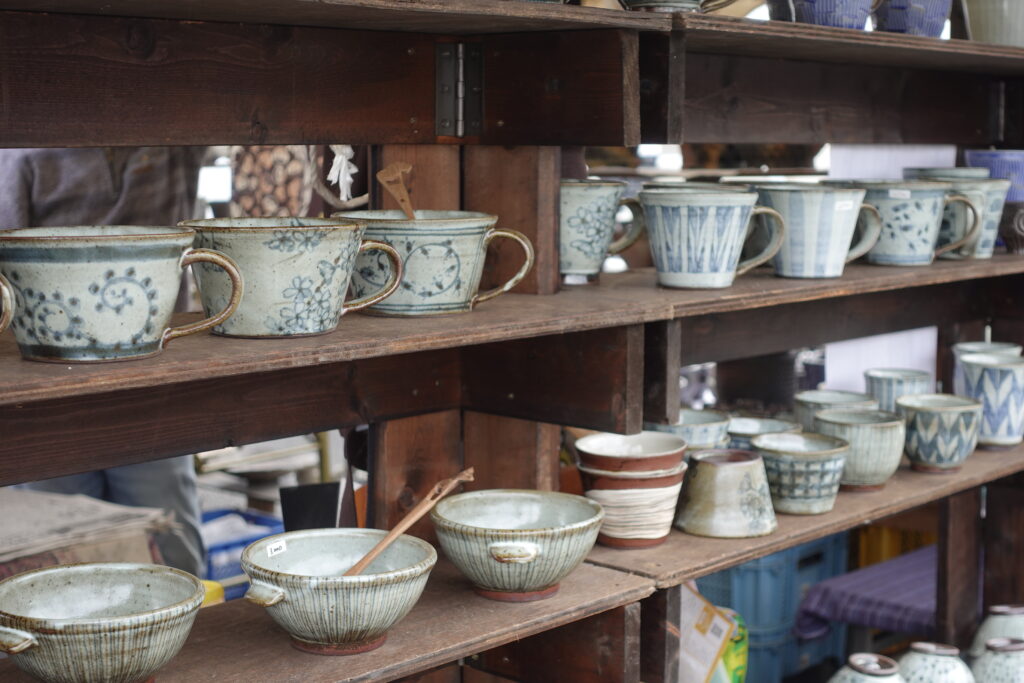
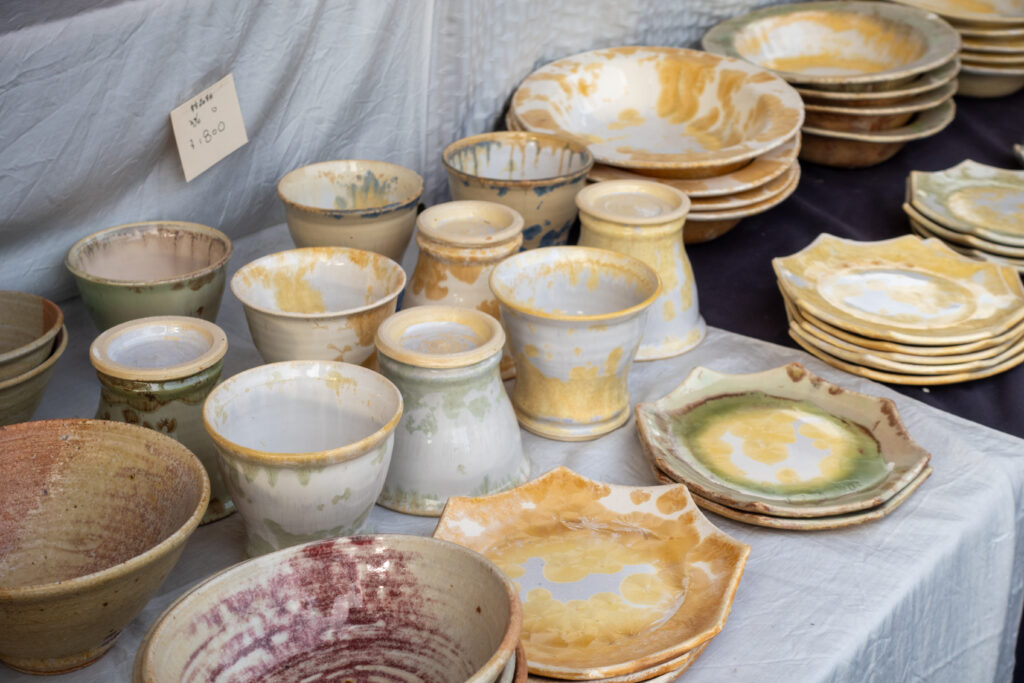
I visited the Mashiko Autumn Pottery Fair on November 1, 2026, the second day of the four-day event. The opening day tends to be especially busy, as collectors and fans of popular ceramic artists arrive early to secure their favorite pieces. I chose the second day hoping for slightly smaller crowds and better weather, as rain was forecast for the third day.
Even on the second day, the fair was incredibly crowded! The streets and pottery stalls were packed with visitors, but the lively atmosphere was part of the experience, with beautiful ceramics displayed everywhere I looked.
One of the most fascinating things about the fair was the incredible diversity of pottery on offer. From rustic, traditional Mashiko ware to colorful, contemporary designs, there was something to suit almost every taste. I noticed that permanent shops tended to carry more traditional styles, while the tented stalls featured many independent artists offering distinctive, modern pieces.
As for availability, a few artists had already sold out of everything, but most still had plenty of pieces to choose from. Judging by what I saw on the second day, I imagine that some artists might have much less stock left by the final day.
Although ceramics were by far the main attraction, I also came across other handmade crafts, including leather goods and woodwork. The entire town felt like one enormous open-air craft market, with something new to discover around every corner.
Navigating the Fairgrounds
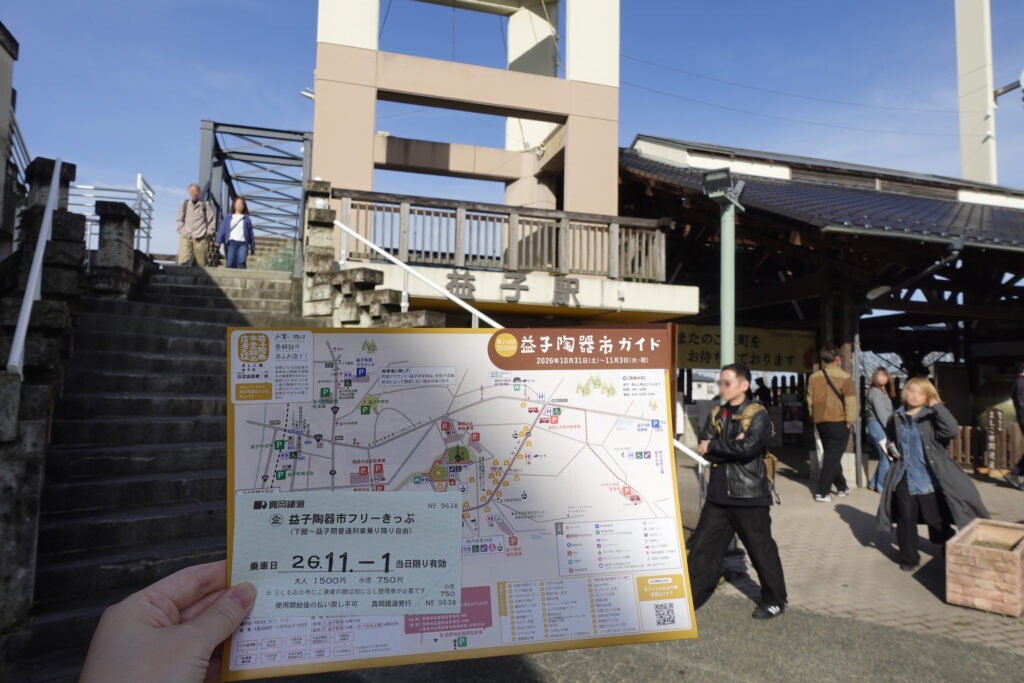
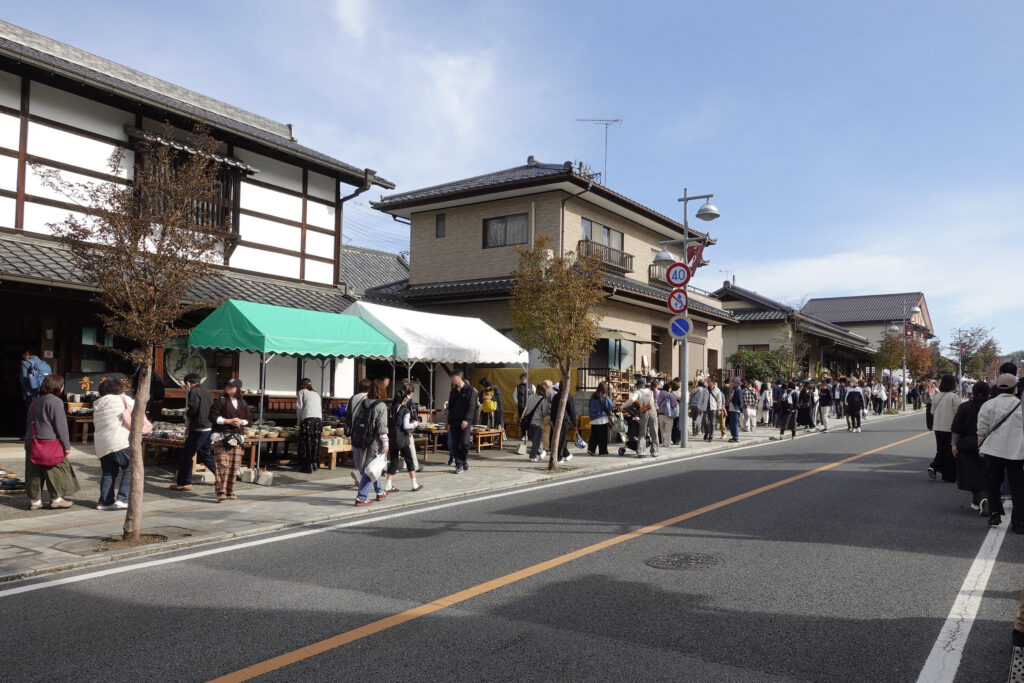
The Mashiko Pottery Fair is spread across the town, with most shops and tented stalls concentrated along three connected streets: Mashiko Hondori, Jonaizaka Street, and Satoyama Street. Starting from Mashiko Station, the main walking route stretches a little over 2 km, with even more shops and pottery stalls tucked away along the side streets.
With around 800 tented stalls and 50 permanent shops to explore, seeing everything in a single day is quite a challenge. The crowds also make it difficult to move at your own pace, so it’s worth planning your route in advance.
If there are particular ceramic artists whose work you’re hoping to purchase, I recommend checking their stall locations before your visit and heading there first. Popular pieces may sell out early, so it’s best to prioritize your must-visit artists before exploring the rest of the fair.
After visiting your favorite artists, a practical way to explore the main streets is to browse the shops and stalls on one side as you walk up the route, then check out the other side on your way back. Don’t forget to venture into the side streets, too, where you’ll find even more pottery to discover.
Food and Dining
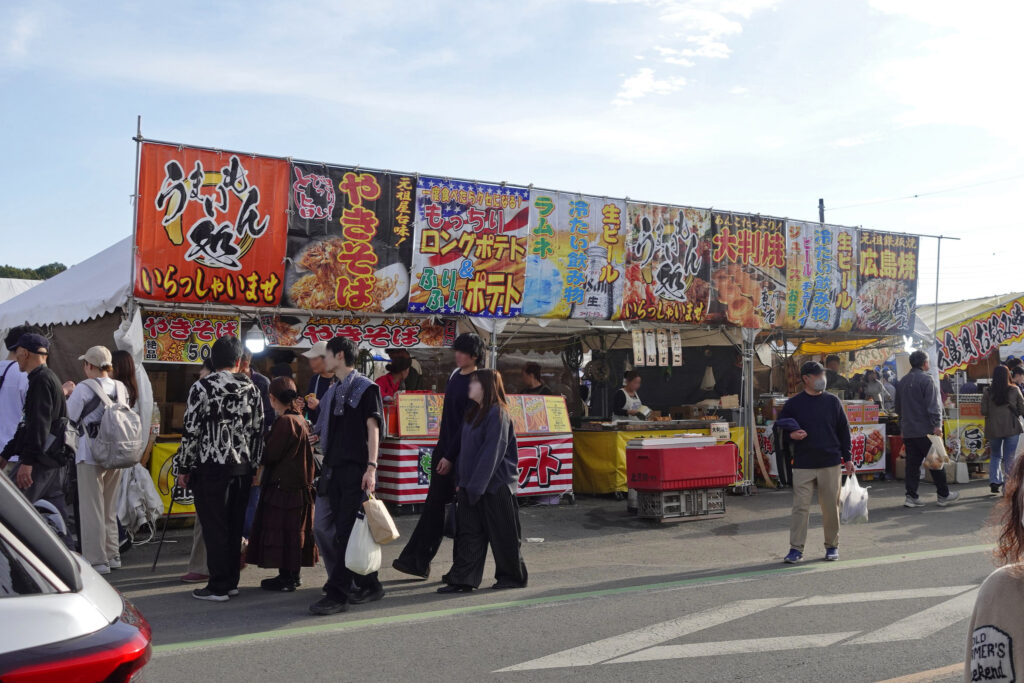
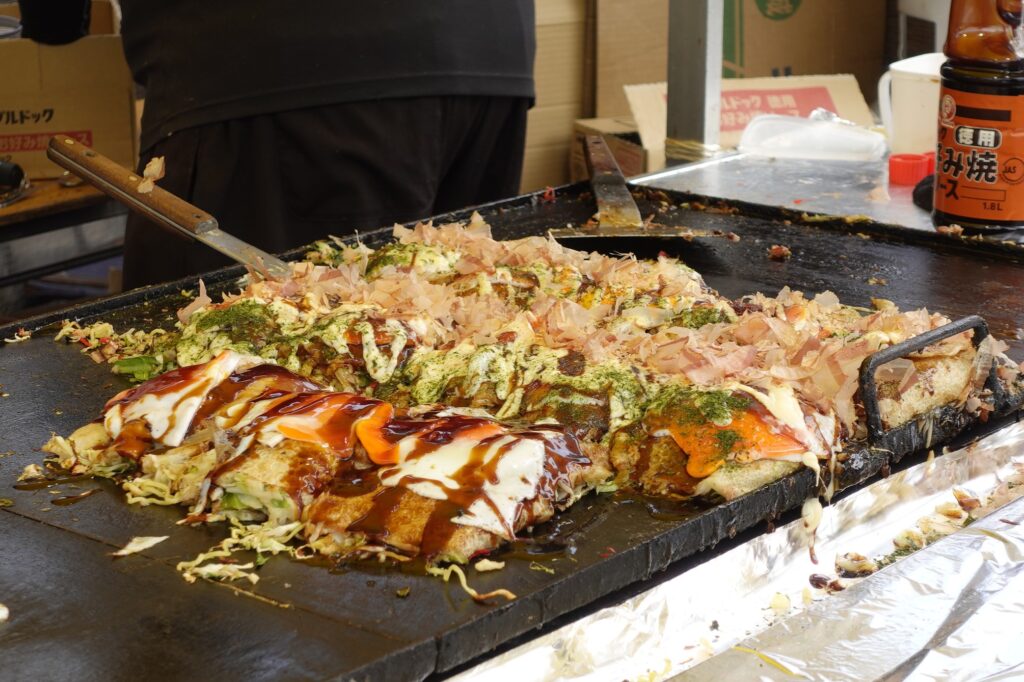
You won’t have to worry about going hungry at the Mashiko Pottery Fair! Food stalls are scattered throughout the fairgrounds, offering a variety of meals, snacks, and drinks. You’ll also find vendors selling fresh vegetables, fruits, and other local produce, so you can take home a taste of Mashiko along with your new pottery.
Some food stall areas have tables and chairs where you can sit and eat, but seating is quite limited compared to the number of visitors. If you’d prefer a more relaxed meal, there are restaurants and cafés along the main streets, although you should expect long waits during the fair. Some restaurants accept reservations, so it’s worth checking in advance.
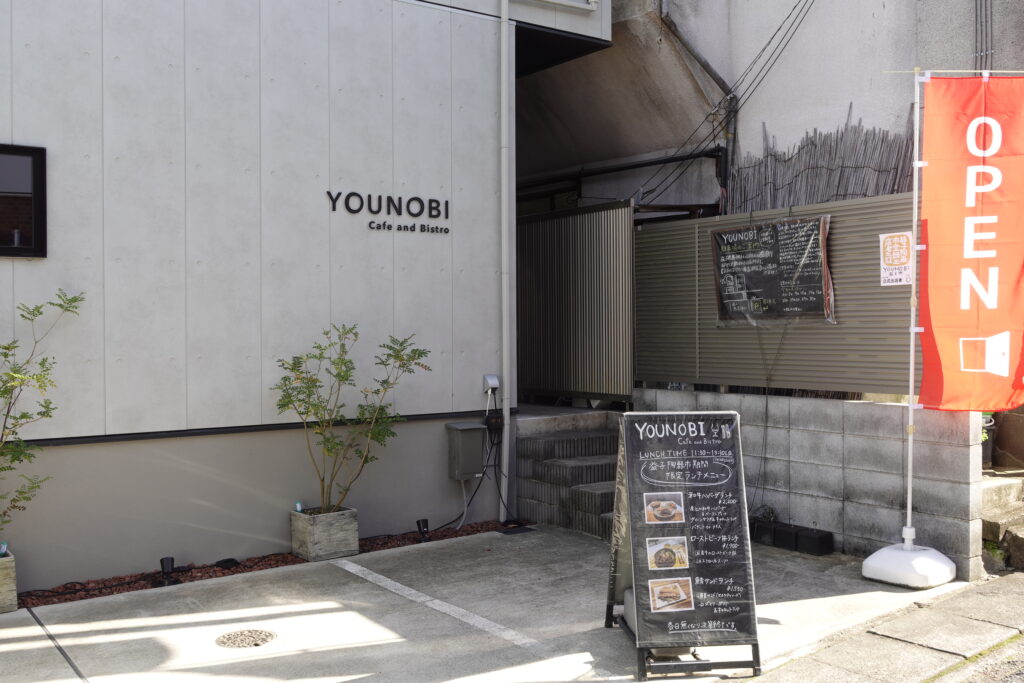
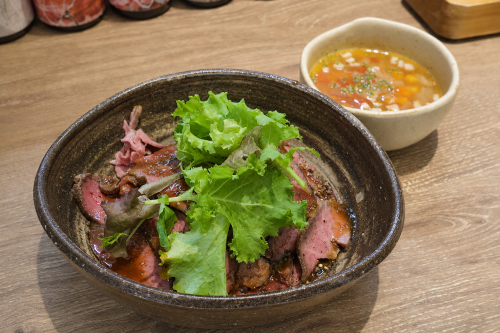
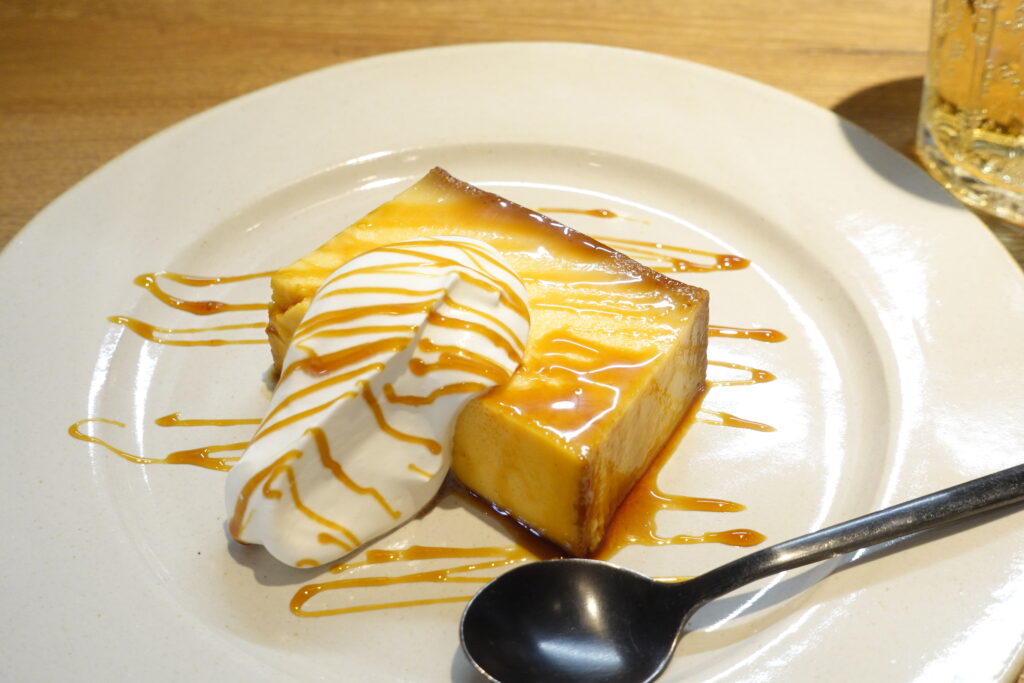
I decided to have lunch at YOUNOBI, a bistro café along the main street. I arrived right when it opened, only to find that all the tables were already reserved! After waiting for a table and then for my meal, it took about 50 minutes before I could finally eat.
Another thing to keep in mind is that many restaurants and cafés along the main streets close around 5 p.m. or earlier. If you’re planning to stay in Mashiko for dinner, check opening hours in advance. YOUNOBI is one of the relatively few places in the area that also offers evening dining.
Where I Shopped and What I Bought
pejite Mashiko
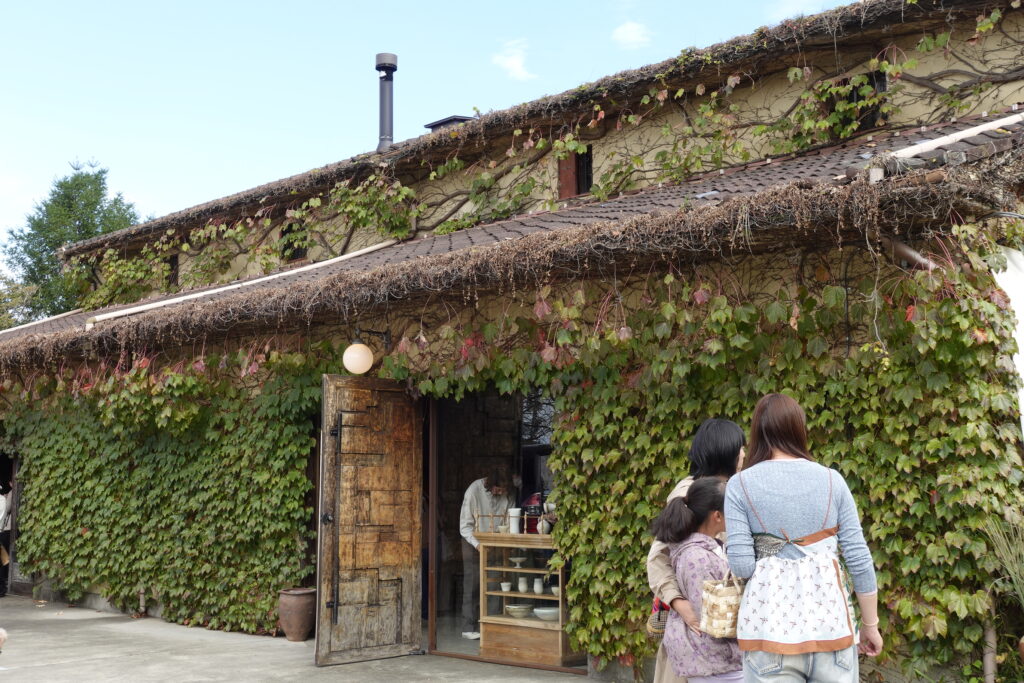
One of the places I was most looking forward to visiting was pejite Mashiko, located approximately 550 meters from Mashiko Station. Housed in a distinctive ivy-covered building just off the main street, the shop offers a peaceful escape from the crowds of the pottery fair.
Inside, you’ll find a carefully curated selection of contemporary ceramics, antique furniture, and other handcrafted items. With a gallery space for special exhibitions and a permanent collection further inside, it’s a wonderful place to browse at your own pace.
Yuki Kubota
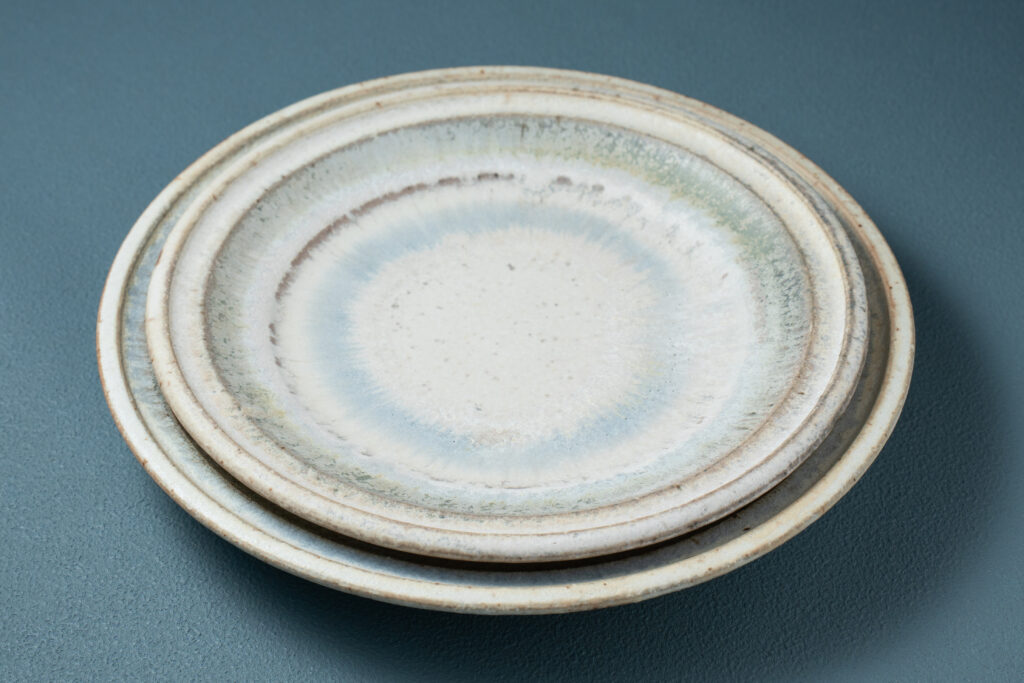
During my visit, pejite was holding a solo exhibition by Yuki Kubota, a ceramic artist based in Mashiko. Her work is known for its beautiful, soft color gradients, created through her own specially formulated glazes. Seeing her pieces in person was one of my main reasons for visiting the shop, and I came home with two plates in different sizes.
Sota Kimura
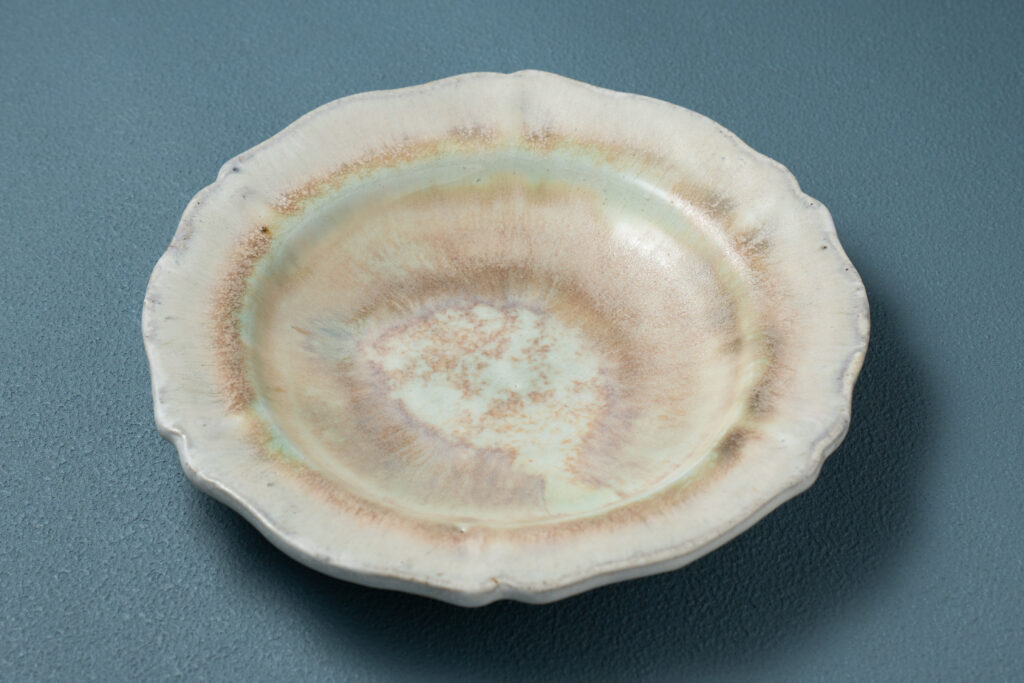
After choosing Kubota’s plates, I explored the permanent collection and came across a piece by Sota Kimura, a young ceramic artist who was born into a family of potters in Mashiko. His work also features beautiful, subtle color transitions, which immediately caught my eye. I chose a medium-sized plate with slightly raised sides, a versatile shape that I can imagine using for all kinds of dishes.
SOITOGE
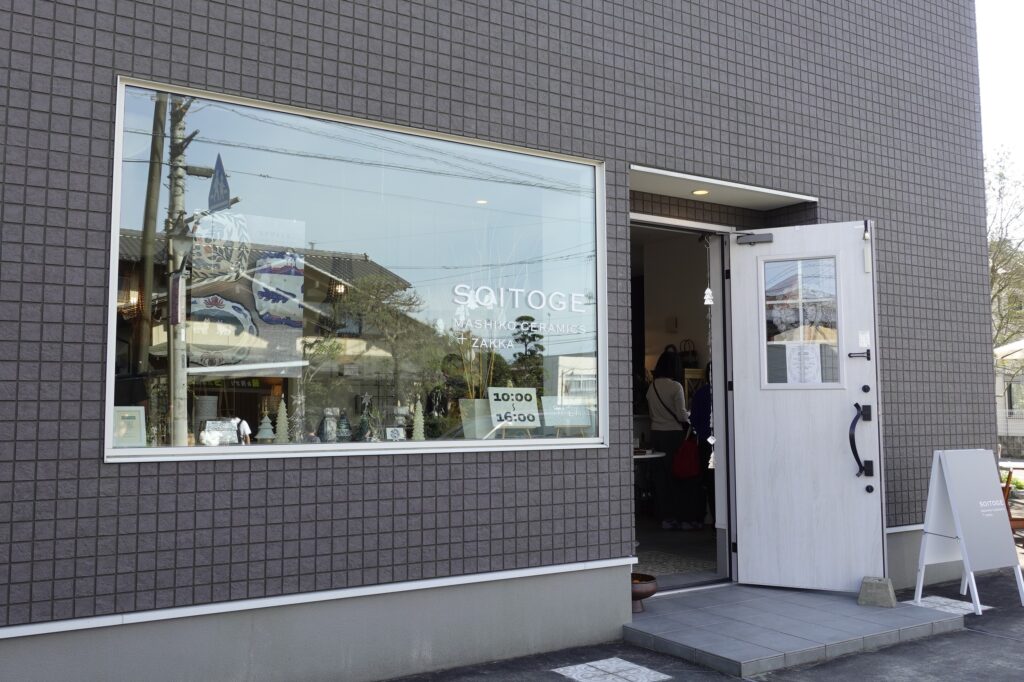
Located along the main street, about 400 meters from pejite Mashiko, SOITOGE is a select shop offering ceramics and lifestyle goods. Its carefully curated collection includes pottery by artists and studios from Mashiko and other parts of Japan, along with handcrafted baskets and other household items.
Atsushi Watanabe
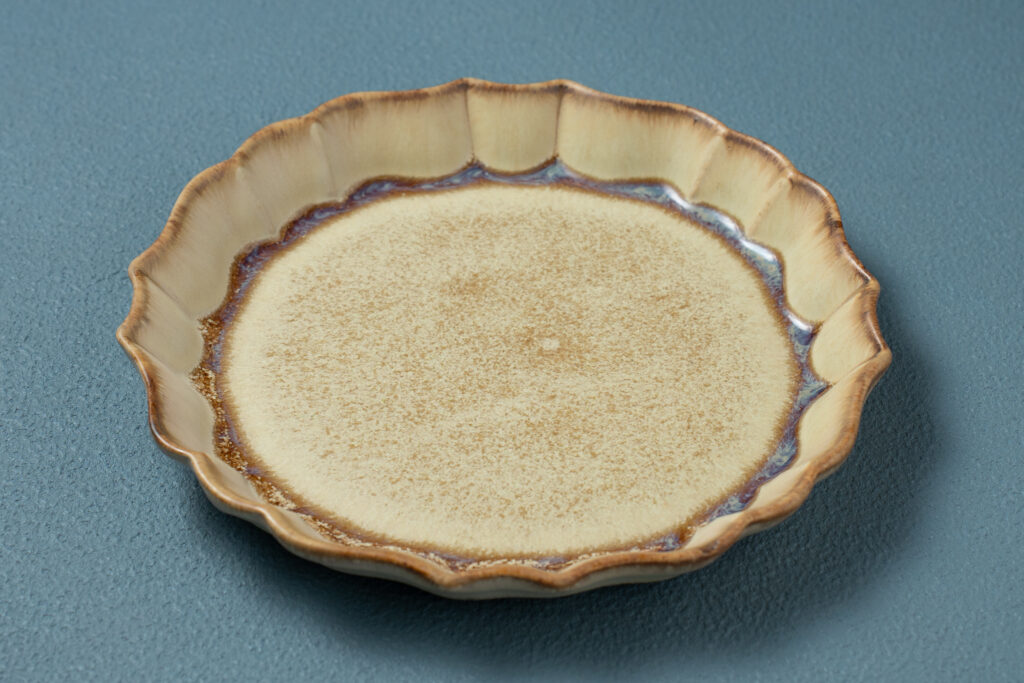
At SOITOGE, I found a charming small scalloped plate by Atsushi Watanabe, a Mashiko-based ceramic artist and former member of the popular Yoshizawa Kiln. I was drawn to its delicate flower-like shape and warm, creamy beige glaze, accented by subtle brown and bluish-purple tones around the inner rim. It’s just the right size for serving traditional Japanese sweets, and I can already imagine using it in my food styling.
Kameda Tatami Shop
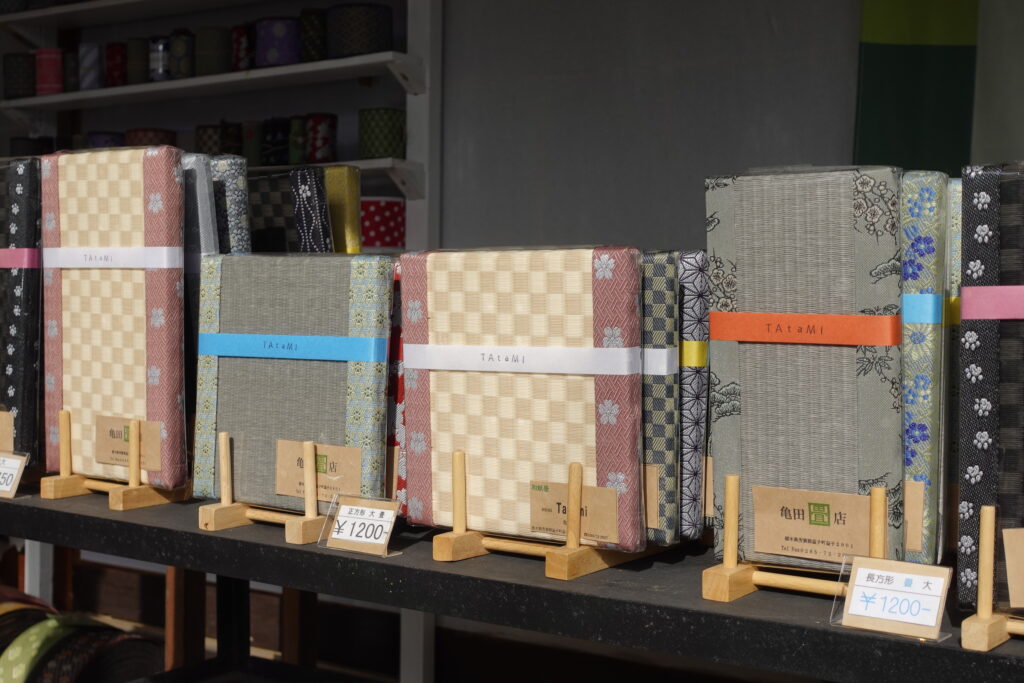
A short walk from SOITOGE along the main street, Kameda Tatami Shop is a traditional tatami mat maker that also sells smaller handcrafted items, including coasters and decorative mats made from tatami materials.
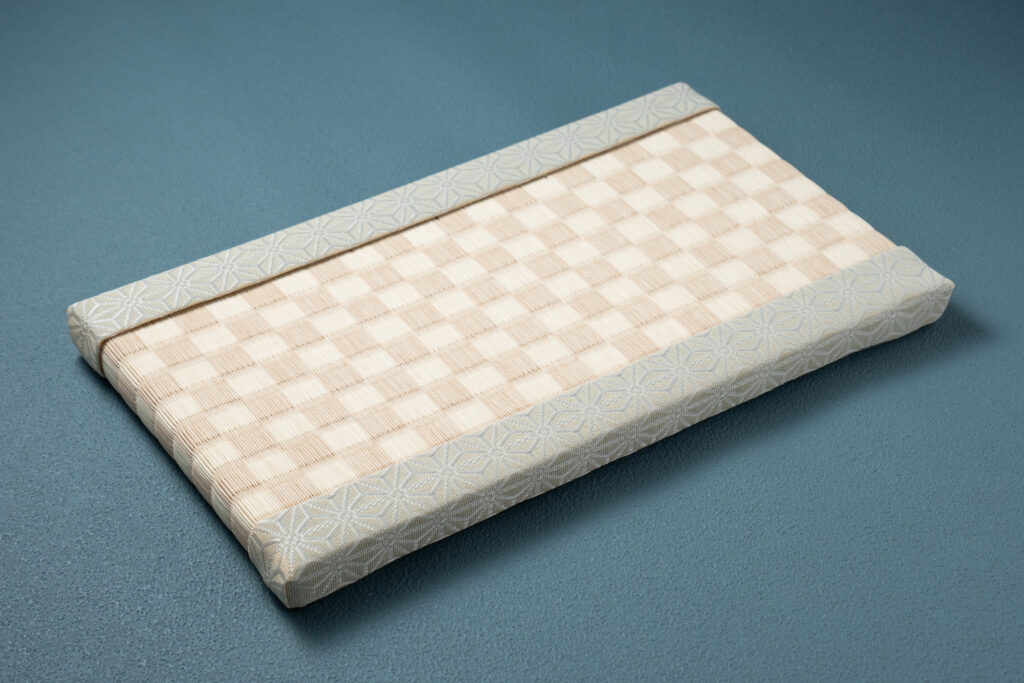
I purchased a small tatami mat in a soft ivory shade with greige edging. Its gentle, neutral colors make it a lovely base for displaying Japanese tableware, and I plan to use it in my food styling, from small Japanese dishes to traditional sweets.
Tokiya Square
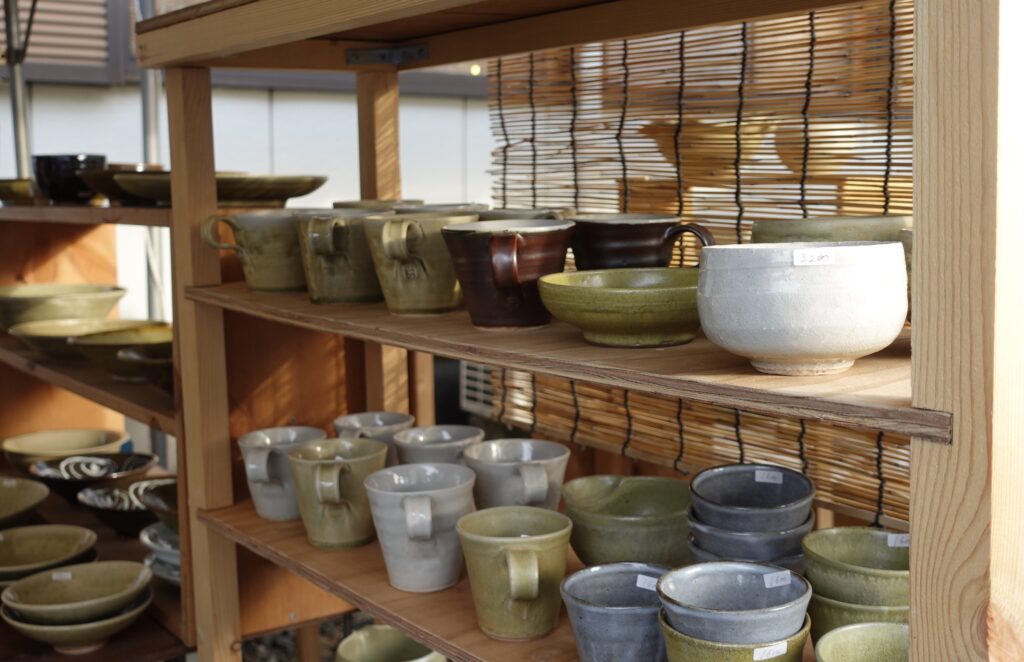
Located along the main street, Tokiya Square is a tented area where ceramic artists gather to display and sell their work. Small stalls are packed closely together, offering visitors a chance to discover a wide variety of handmade ceramics and meet the artists behind them.
Yoshikage Iwamura
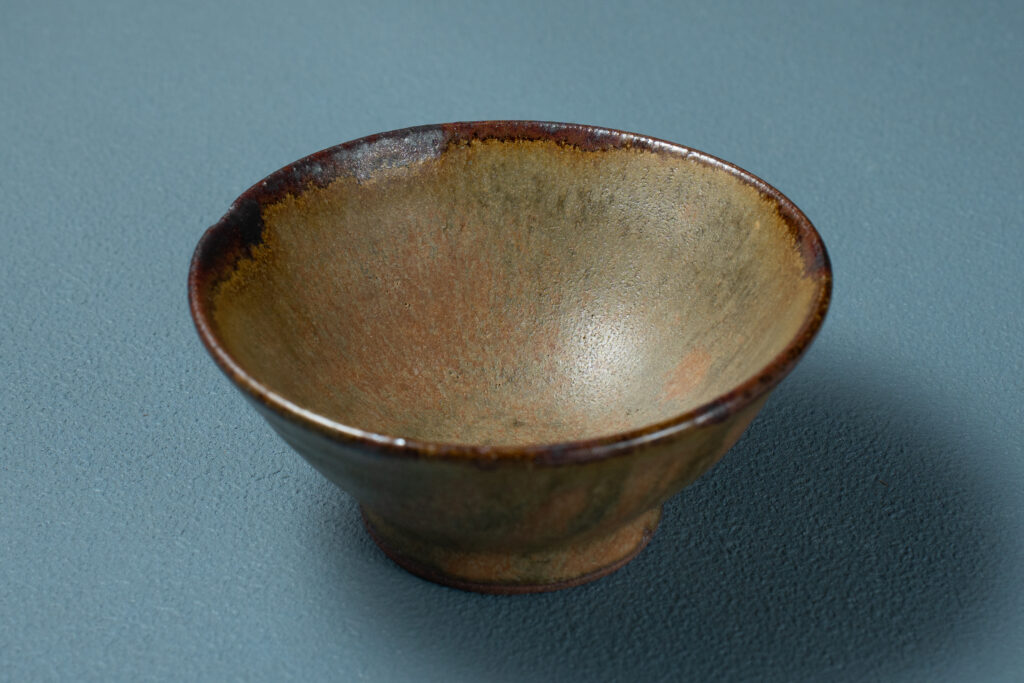
Yoshikage Iwamura is a ceramic artist who grew up in Mashiko and has his own kiln in the area. He is also the second son of Kazuo Iwamura, a renowned Japanese children’s book author and illustrator. Yoshikage has created tableware for the tearoom at the Kazuo Iwamura Ehon-no-Oka Art Museum in Nakagawa, Tochigi Prefecture.
I purchased a rice bowl featuring a rich blend of earthy brown and muted olive-green tones, with a dark brown rim that beautifully frames the interior. Its rustic charm and understated beauty immediately appealed to me. I can imagine it pairing beautifully with a simple bowl of takikomi gohan, a savory Japanese seasoned rice dish.
Yume HIROBA
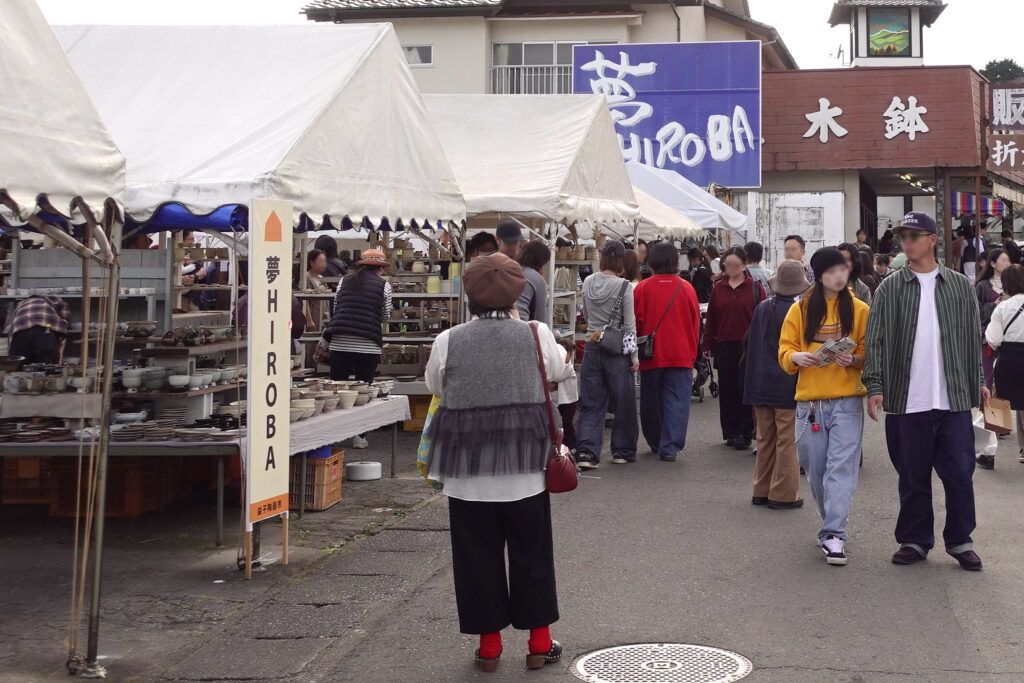
A little farther along the main street from Tokiya Square, Yume HIROBA is one of the busiest tented areas at the Mashiko Pottery Fair. Dozens of ceramic artists gather here, displaying a wide variety of handmade pottery in closely packed stalls.
Satoko Kanazawa
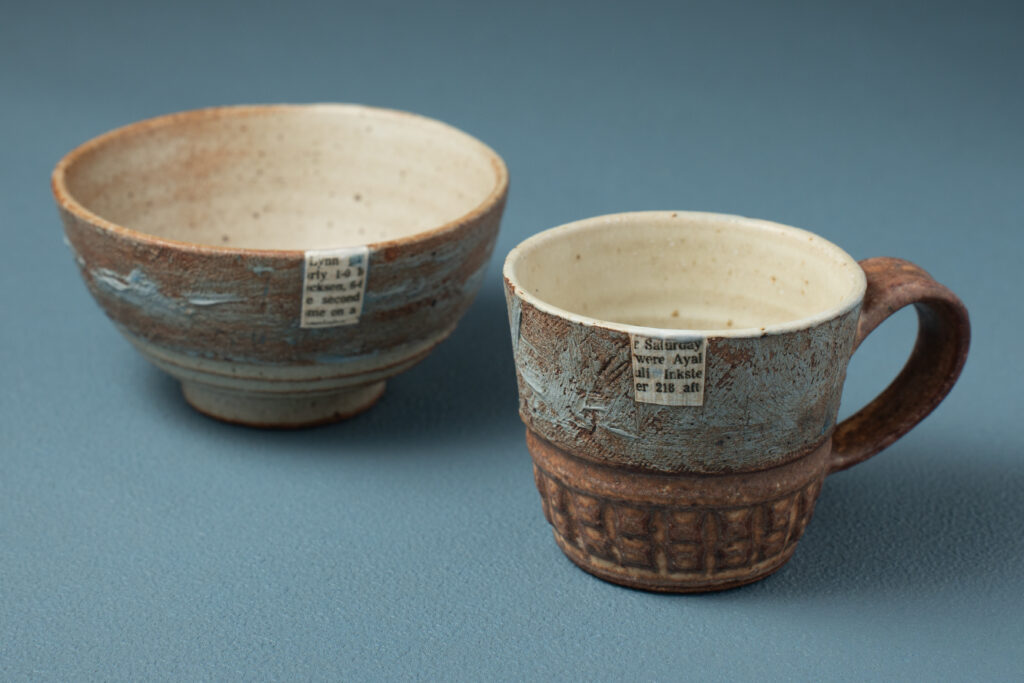
Satoko Kanazawa is a ceramic artist who creates pottery under the name concept-if, based in Gunma Prefecture. She regularly participates in the Mashiko Pottery Fair in both spring and autumn.
I was immediately drawn to her distinctive, vintage-inspired designs, featuring rustic textures, muted colors, and small fragments of printed text. The combination gives her pottery a charming, almost storybook-like character, quite unlike traditional Japanese tableware. I purchased a rice bowl and a mug, both of which I look forward to using in my everyday life.
What to Know Before Visiting the Mashiko Pottery Fair
Getting to Mashiko
By Train
Mashiko is accessible from Tokyo by train, making it possible to visit the pottery fair as a day trip. However, getting there by public transportation takes some planning.
I traveled by train from northwestern Chiba Prefecture, just outside Tokyo. To reach Mashiko Station around 9 a.m., I had to leave home before 6 a.m. and make five transfers along the way. The journey took nearly three hours! With all the waiting time between connections, the trip can take longer than you might expect, so be sure to plan your train route at least a day in advance.
Once you arrive at Mashiko Station, you can take a shuttle bus toward the pottery fairgrounds, but I recommend walking if you’re comfortable doing so. Shops and pottery stalls begin appearing along the route, making the walk itself part of the experience. Following the main streets on foot is a great way to gradually explore the town and discover places you might otherwise miss.
Train services are relatively infrequent, particularly on the Moka Railway, which connects Shimodate Station to Mashiko. During the pottery fair, some trains may also be canceled to allow longer trains to operate on busier services. Be sure to check the special timetable and plan your return journey before getting caught up in pottery shopping. With the crowds slowing you down, it’s wise to allow plenty of time to get back to the station.
By Bus
During the pottery fair, direct buses operate from Tokyo Station, and some travel companies also offer round-trip bus tours.
Since some smaller train stations have limited English signage, traveling by bus can be a convenient alternative if you’re concerned about navigating multiple train transfers. Some organized bus tours also offer luggage storage, making it easier to explore the fair without carrying heavy bags.
What to Bring and Wear
Comfortable Shoes
Comfortable walking shoes are essential for visiting the Mashiko Pottery Fair. The fairgrounds stretch across approximately 2 km of streets, with additional stalls tucked away in side streets and open areas. You’ll likely spend several hours walking and standing, and some areas have uneven or gravel-covered ground, so choose shoes you can walk in comfortably all day.
Bags and Luggage
I also recommend bringing a backpack rather than a wheeled suitcase. The crowded streets and uneven ground can make rolling luggage difficult, while a backpack leaves your hands free to browse pottery. Large lockers at Mashiko Station are limited, although luggage storage services may be available at certain locations.
Clothing and Weather
If you’re visiting in autumn, dress in layers so you can adjust to changing temperatures throughout the day. Early mornings can be quite chilly, but it may feel surprisingly warm by late morning. Much of the fair takes place outdoors, so a hat and sunglasses can also come in handy.
Other Things to Know
Payment Methods
Although more shops and artists now accept credit cards and QR code payments, many stalls and even some permanent shops still operate on a cash-only basis. The Moka Railway, which connects Shimodate Station to Mashiko, also requires cash for train tickets, as Suica, PASMO, and credit cards are not accepted. I recommend bringing enough Japanese yen in cash, especially if you’re planning to buy several pieces. ATMs are available in town, but it’s much more convenient to have cash ready before heading to Mashiko.
Crowds and Safety
The Mashiko Pottery Fair attracts enormous crowds, and some of the busiest streets have narrow sidewalks with cars passing close by. Be careful not to step into the road when browsing stalls or moving through crowded areas, especially if you’re visiting with children.
Popular Artists and Limited Availability
If you have your heart set on pottery by a particular artist, check their social media accounts before the fair. Some popular artists announce their stall locations, purchasing limits, or ticketing arrangements in advance, and highly sought-after pieces may sell out quickly. Visiting your favorite artists early in the day can improve your chances of finding what you’re looking for.

Mashiko may not be the easiest place to get to, but during the pottery fair, the entire town transforms into one enormous open-air exhibition.
If you love pottery, it’s absolutely worth the journey!
Enjoy discovering one-of-a-kind pieces and the artists behind them—you never know what treasures you’ll come across!


Comments